
Last updated September 25, 2026
Free written scope consultation - allowances, timeline, and change-order rules on paper before a single trade is scheduled







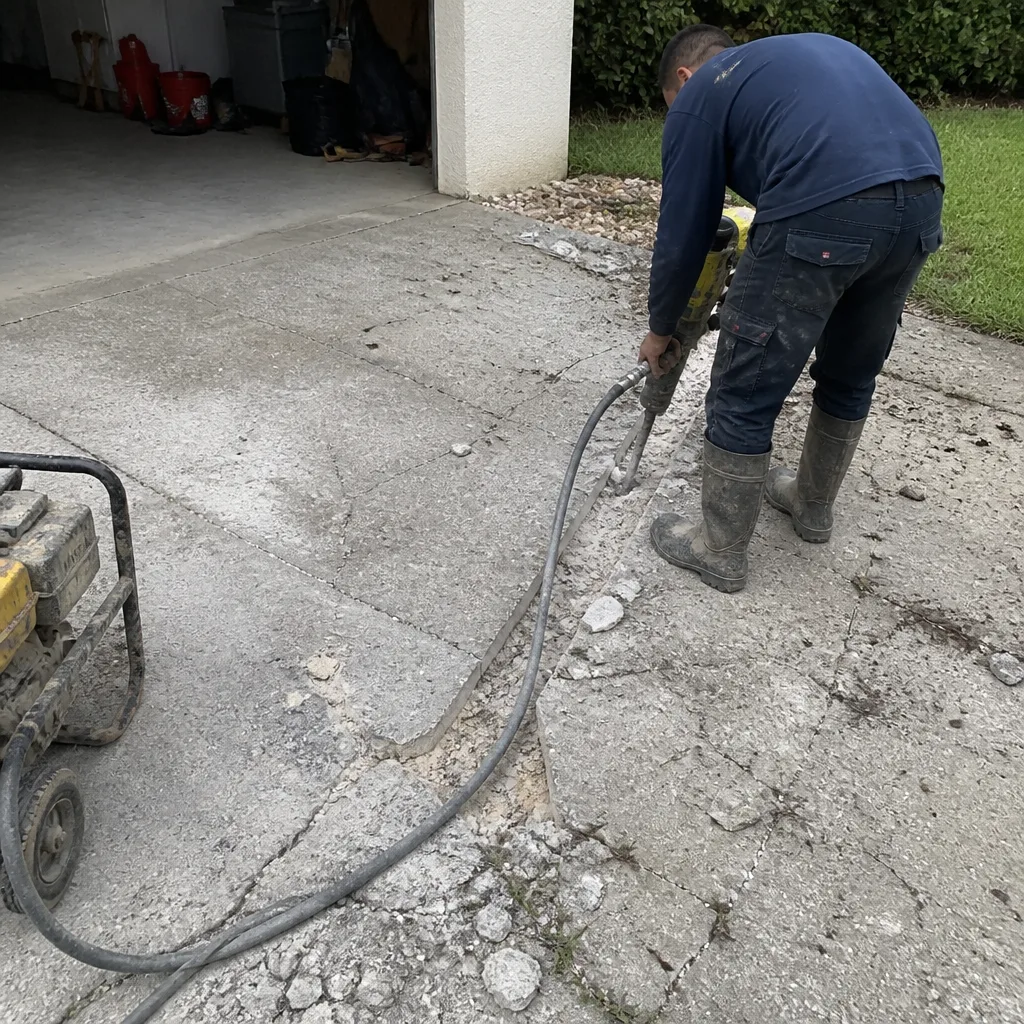 Before
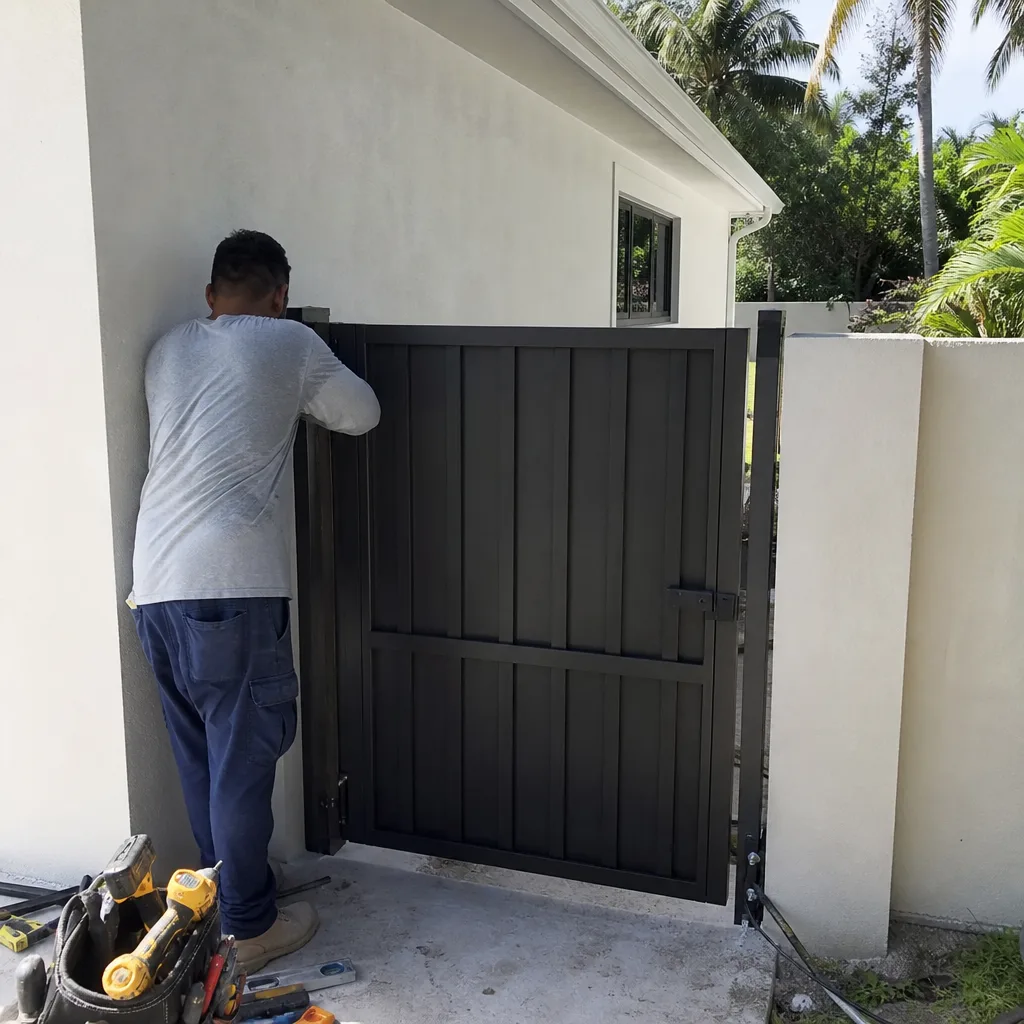 After
After Before
 After
After Before
 After
AfterConstruction Warning Signs: A Pompano Beach Homeowner’s Reference Guide
A 1/16-inch gap between a window frame and its rough opening is invisible to most homeowners and harmless-looking to most inspectors. In Pompano Beach’s wind-driven rain events, that gap admits enough water in a single storm to grow mold behind drywall within 72 hours. The warning signs that matter most in residential construction are rarely dramatic. They’re small, documentable deviations from normal that mean something specific if you know what to look for, and nothing if you don’t. This guide names the signs, explains the mechanism behind each one, and says plainly what action each sign warrants, and you can find more guides & resources on our blog. Whether you’re evaluating a contractor’s work, inspecting a property you’re considering, or monitoring your own home after a storm, the ability to read these signs accurately can save tens of thousands in concealed damage.
Quick Answer
Construction warning signs fall into three categories: cosmetic indicators (surface cracks, discoloration), structural indicators (patterned cracking, differential movement), and procedural red flags (verbal change orders, unitemized bids). In Pompano Beach, the most consequential warning signs are water intrusion paths in CBS construction, flat roof drainage failures, and post-hurricane concealed damage. Each sign has a specific mechanism and a specific response; this guide details both.
Table of Contents
- Cosmetic vs. Structural Warning Signs: Knowing the Difference
- Five Pompano Beach-Specific Warning Signs Competitors Miss
- What a Back-Pitched Flat Roof Looks Like From Inside
- Contractor Evaluation Warning Signs
- Post-Hurricane Warning Signs: A 48-Hour Inspection Protocol
- Window and Door Installation Warning Signs
- Kitchen and Bathroom Remodeling Warning Signs
- Common Mistakes to Avoid
- When to Call a Professional
- Frequently Asked Questions
 Before
 After
AfterCosmetic vs. Structural Warning Signs: Knowing the Difference
The first skill in reading a house is knowing which cracks matter and which don’t. The mechanism that produces each type tells you everything.
Cosmetic warning signs originate at the surface. Hairline cracks in latex paint over wood trim are expansion and contraction from humidity cycling, normal in Pompano Beach’s coastal climate. Grout discoloration in a shower is typically surficial mildew or mineral deposits from hard water. These signs affect appearance, not function. The fix is cleaning, repainting, or regrouting. The substrate behind them is sound.
Structural warning signs originate in the building’s skeleton and telegraph through to the surface. The mechanism is always differential movement: two parts of the structure moving at different rates or in different directions.
Stair-step cracks in concrete block walls follow the mortar joints in a diagonal pattern. The mechanism is foundation settlement or heave, with one corner of the structure dropping or rising relative to the others. The crack width matters: a hairline stair-step is monitoring territory; a crack you can fit a nickel into warrants a structural engineer’s evaluation. In Pompano Beach’s sandy soils, particularly in neighborhoods east of Dixie Highway where fill was less compacted, we’ve seen stair-step cracks open after heavy irrigation or drainage changes redirect water against a foundation.
Diagonal drywall cracks at window corners are another structural signal. The mechanism is framing movement: the header above the window is deflecting, or the king stud is rotating, transferring stress to the drywall at the weakest point. The crack runs from the window corner toward the ceiling at roughly 45 degrees. If the crack is narrow, stable, and old, it may be historical movement. If it’s widening, if the window is becoming difficult to operate, or if you see matching cracks on the exterior stucco, the mechanism is active and the header needs evaluation.
Horizontal cracks in block walls are the most serious pattern. The mechanism is lateral pressure against the wall, typically from soil expansion or hydrostatic pressure. In Pompano Beach’s flat terrain with high water tables, we’ve seen this in homes with failed downspout drainage where water pools against the foundation. A horizontal crack means the wall is bending; it needs immediate professional assessment.
Key distinction: cosmetic cracks are random in direction, stable in width, and don’t affect operation of doors or windows. Structural cracks are patterned, progressive, and often accompanied by functional symptoms. Document width and date with a photo; compare quarterly.
Five Pompano Beach-Specific Warning Signs Competitors Miss
Pompano Beach’s climate and construction history create warning signs that don’t appear in generic guides. These five are worth knowing.
1. Efflorescence on CBS Walls
Efflorescence is the white, powdery deposit that appears on concrete block walls. The mechanism is water intrusion through mortar joints, dissolving soluble salts in the block, and depositing them on the surface as the water evaporates. In Pompano Beach’s wind-driven rain environment, efflorescence on exterior CBS walls is common and often misread as “salt air” or normal weathering. It is not. It documents water moving through the wall assembly.
The critical distinction: efflorescence on the exterior face indicates failed sealant or stucco cracks admitting bulk water. Efflorescence on the interior face indicates water is penetrating completely through the wall, which means the cavity is wet and the interior drywall is at risk. We’ve found interior efflorescence in Pompano Beach homes where the exterior showed no visible damage, the water having entered through hairline stucco cracks at the lintel level and run down the cavity.
Action: photograph the pattern, note whether it’s seasonal or persistent, and trace it to the likely entry point. Persistent interior efflorescence warrants opening the wall for inspection.
2. Soffit Staining Patterns
Soffit staining tells two different stories depending on pattern. Uniform darkening across a soffit bay is surface mildew from humidity, common in Pompano Beach’s coastal air. It cleans with bleach solution and proper ventilation.
Streaking or localized dark patches that run from the fascia toward the wall indicate a different mechanism: water exiting the roof edge at a specific point, carrying tannins from the roof sheathing or rafter tail. This is rafter-tail rot, not surface mildew. The water is entering at a penetration higher on the roof, running down the sheathing, and exiting at the eave. The rafter tail is wet and decaying.
We’ve replaced rafter tails in Pompano Beach homes where three previous contractors had power-washed the soffit and declared the problem solved. The staining returned because the mechanism was structural water intrusion, not cosmetic mildew. Action: if staining returns after cleaning, probe the rafter tail with an awl. Soft wood means active decay; the roof penetration needs tracing and repair.
3. Pool Deck Separation
Pool decks in Pompano Beach move. The question is which movement matters. Thermal expansion creates uniform gaps that open in cool weather and close in heat; they’re predictable, typically 1/8 to 3/16 inch, and run the full length of a control joint.
Soil movement creates different patterns. A deck that has dropped away from the coping (the edge cap) at one corner, creating a wedge-shaped gap that widens with distance from the house, indicates differential settlement. The mechanism is soil consolidation or washout beneath that corner. In Pompano Beach’s sandy soils, we’ve seen this after irrigation line breaks or where roof drainage concentrates against the house.
Another soil signal: cracks that continue through the deck, across the coping, and into the pool shell. Thermal cracks stop at control joints; soil movement cracks don’t respect boundaries. A crack that bridges deck, coping, and shell indicates the pool structure is moving with the soil, which risks structural damage to the shell itself.
Action: measure gap width monthly. Progressive widening, or cracks that bridge elements, needs a soils evaluation before repair.
4. Stucco Cracking at Floor Lines
Pompano Beach’s CBS homes often show horizontal stucco cracks at the floor line between stories. The mechanism is the difference in stiffness between the concrete block wall and the wood-framed floor platform above. In wind events, the block wall moves as a rigid panel while the wood frame flexes. The stucco, bonded to both, cracks at the transition.
Hairline cracks at this location are common and not structurally significant. Cracks wider than 1/16 inch, or cracks that step down through the block courses below, indicate the wall itself is moving differentially. We’ve seen this pattern in older Pompano Beach homes where the floor ledger attachment has corroded, allowing the frame to pull away from the block.
Action: monitor width with a crack monitor or dated photo. Progressive widening needs structural evaluation.
5. Garage Door Header Sag
The garage door opening in a CBS home is typically spanned by a steel lintel or a precast concrete header. Sag in this header shows as a crack in the stucco above the door, or as binding in the door operation. The mechanism is either lintel corrosion (steel) or inadequate bearing (precast). In Pompano Beach’s salt air, steel lintels in homes built before 2000 are often significantly corroded by year 15.
Action: sight along the header from the side. Visible sag, or a crack that widens toward the center, needs immediate evaluation. A failed garage header is a collapse risk.
What a Back-Pitched Flat Roof Looks Like From Inside
Pompano Beach has more flat or low-slope residential roofing than most Florida markets, from mid-century moderns to contemporary builds to commercial-style residential structures. Flat roofs drain to internal scuppers or drains, and they fail in a specific way that’s visible from inside if you know where to look.
A properly pitched flat roof slopes 1/4 inch per foot toward the drain. A back-pitched roof slopes away from the drain, or has a low spot that traps water. The mechanism is settlement in the roof framing, improper installation of tapered insulation, or additions that disrupted the original drainage pattern.
From the attic, the warning sign is water staining on the roof deck sheathing that doesn’t radiate from a penetration. Normal leak staining runs from a vent, chimney, or seam. Back-pitch staining appears as a broad, diffuse area centered on a low spot, often with multiple rings indicating repeated ponding events. The sheathing may be delaminated or blackened. In Pompano Beach’s afternoon thunderstorms, a back-pitched area can hold water for days, accelerating decay.
We’ve documented back-pitch conditions in Pompano Beach homes where the owner reported “recurrent leaks” that three roofers had patched at penetrations without finding the actual problem. The water wasn’t entering through a penetration; it was entering through the roofing membrane after prolonged ponding degraded it.
From the exterior, look for debris accumulation in a specific area, or vegetation growth, indicating persistent standing water. From the interior, look for ceiling stains that reappear after “repair” in a location with no overhead penetration.
The fix is structural: re-framing or re-insulating to restore positive drainage, then membrane replacement. Patching the leak point without correcting the pitch guarantees recurrence. Under Clause 1 of the Haven Standard, we quote this work with a written scope that specifies the drainage correction, not just the membrane replacement.
Contractor Evaluation Warning Signs
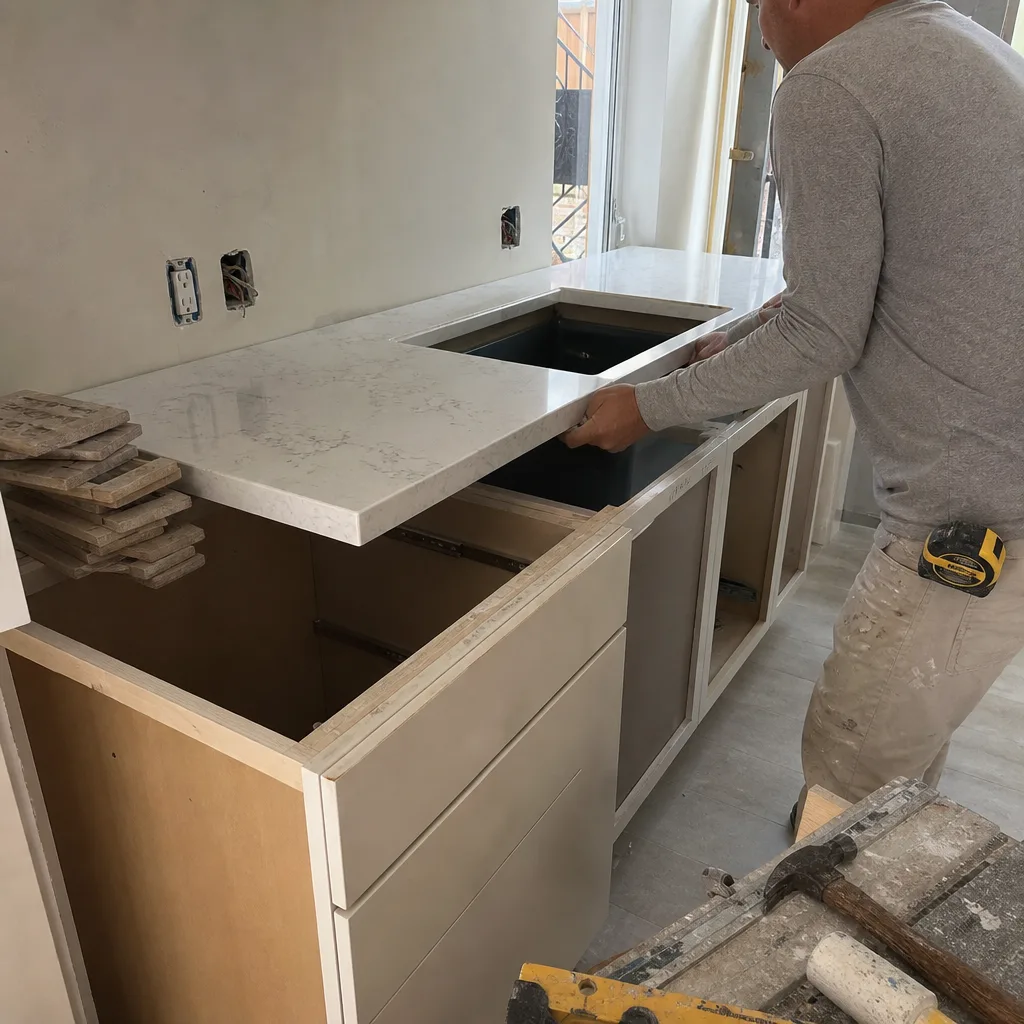
The warning signs that matter before work starts are procedural. They predict how the project will go.
Unsigned Change Orders Presented Verbally
A change order is a contract amendment. The mechanism of project cost overruns is almost always scope creep without documentation. When a contractor describes additional work verbally and asks for a check, there’s no record of what was agreed, what it cost, or whether it was necessary. Under the Haven Standard, no work proceeds on a change until the change order is signed. This isn’t bureaucracy; it’s the discipline that has kept Rowan’s projects within a few percent of the agreed price across 4,000-plus jobs. If a contractor presents changes verbally, the warning sign is clear: this project will not finish at the quoted price.
Bids That Don’t Itemize Labor and Material Separately
An itemized bid lets you verify quantities, compare material grades, and identify markup. A lump-sum bid with a single number conceals all of this. The mechanism of the low-ball estimate is often buried labor hours or unspecified material grades. We’ve reviewed competitor bids during our Free Second Opinion service where the “tile” line item had no manufacturer, no grade, and no square footage, making comparison impossible-exactly why How to Hire a Construction Contractor in Pompano Beach: A Step-by-Step Guide emphasizes detailed documentation. A written price is only useful if it’s a documented price.
Subcontractors Arriving Without the GC Present
The general contractor’s role is coordination and quality verification. When subs arrive unsupervised, there’s no one to confirm the scope, inspect the substrate, or catch deviations before they’re buried. The warning sign is a GC who delegates site presence entirely. Our crews are background-checked, uniformed, and every visit includes a documented photo record as standard, not as an upgrade, precisely because someone who is accountable needs to witness the work.
Additional Procedural Warning Signs
- No permit discussion: In Pompano Beach, permits are required for structural, electrical, plumbing, and roofing work. A contractor who avoids permit conversation is planning to work uninspected, which voids insurance coverage and creates liability for the homeowner.
- Payment schedule front-loaded: A request for more than 33% before material delivery indicates cash flow problems. The mechanism is often that your payment funds the contractor’s previous job.
- No written warranty terms: A “lifetime warranty” with no defining document is a promise without a mechanism. Our 365-Day Done Right Promise is printed on every page and backed by a terms page, not an asterisk.
- Pressure to decide immediately: Urgency theater masks weak documentation. A contractor with a written price, a defined scope, and a documented record doesn’t need you to sign tonight.
Post-Hurricane Warning Signs: A 48-Hour Inspection Protocol
The 48 hours after a hurricane passage are critical for documentation and damage control. Water intrusion paths that are obvious immediately may become concealed as materials dry superficially, hiding ongoing damage.
Step 1: Exterior Survey (Day 1, When Winds Drop Below 35 mph)
- Photograph the roof from the ground with a zoom lens. Look for missing shingles, lifted flashing, or debris impacts. Note any new sag in the roof plane.
- Inspect soffits and fascia from all sides. New staining, gaps, or displaced sections indicate wind-driven water entry.
- Check windows and doors for broken glass, damaged screens, or visible gaps in weatherstripping. A window that rattled loose in its opening may have damaged the fastening flange.
- Walk the property perimeter. Note fence damage, fallen trees, or ground saturation that may affect foundation drainage.
- Photograph the pool and deck. New cracks, separation from coping, or water level changes indicate structural movement.
Step 2: Interior Survey (Day 1-2)
- Check ceilings in all rooms, especially at penetrations and along the exterior wall top plates. Water stains may appear as discoloration, bubbling paint, or drywall sag.
- Inspect closets and interior rooms with no windows. These are often the first to show concealed water entry because there’s no air movement to dry the surface.
- Run your hand along exterior walls at the baseboard. Damp drywall feels cool; a moisture meter confirms if available.
- Check the attic access. Look for wet insulation, stained sheathing, or daylight visible through the roof. In Pompano Beach’s flat-roof homes, check the interior ceiling for soft spots that indicate trapped water above.
- Photograph everything with a date stamp. Insurance claims require documentation of the event’s immediate aftermath.
Step 3: Professional Assessment (Day 2-7)
Some signs require a licensed inspector; others a homeowner can assess and record.
Homeowner can assess: visible water stains, missing roofing materials, broken glass, fence damage, debris accumulation. Document with photos, measurements, and dates.
Requires licensed inspector: structural cracks, electrical panel moisture, gas line damage, HVAC refrigerant lines, roof structural integrity. These affect safety and code compliance; self-assessment creates liability.
The documented photo record we provide on every visit is modeled on this protocol. After a storm, the customer who has dated photos of the immediate aftermath, the contractor’s inspection photos, and the repair documentation has a complete claim file.
Window and Door Installation Warning Signs
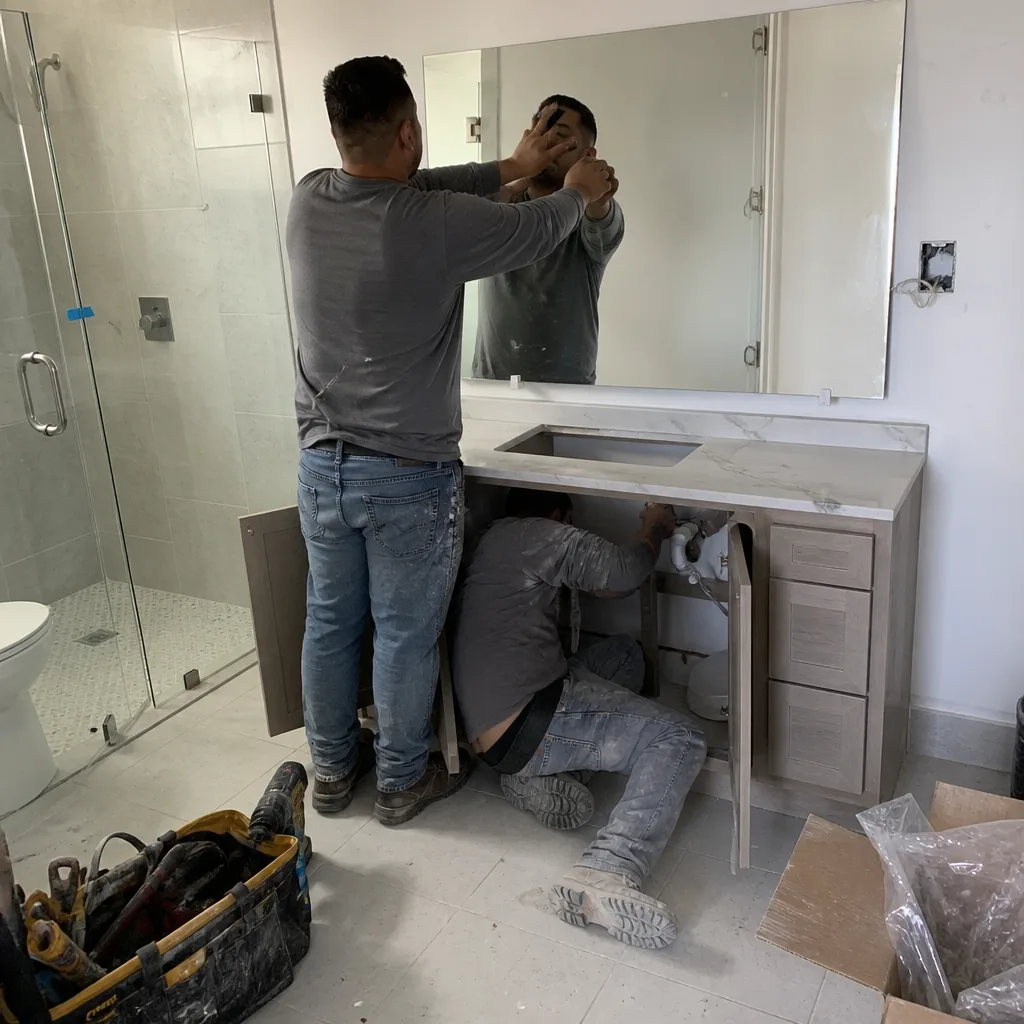
Window and door installation is where small deviations become major water intrusion paths. In Pompano Beach’s wind-driven rain climate, the 1/16-inch gap from our opening example is one of several critical signs.
Shim gaps visible from the interior: Windows are shimmed plumb and square in the rough opening, then the gap is insulated and sealed. If shims are visible from inside, the gap wasn’t properly filled. The mechanism: air and water can bypass the window’s integral weatherstrip and enter the wall cavity. We’ve found this in Pompano Beach homes where the installer skipped low-expansion foam and relied on fiberglass batt that settled.
Sealant that doesn’t bond to both surfaces: Proper sealant forms a three-sided bond: the window frame, the wall substrate, and the sealant itself. If the sealant peels away from either surface, it’s not a seal. The mechanism is surface contamination (dust, moisture, incompatible primer) or wrong sealant type for the substrate. In Pompano Beach’s UV exposure, urethane sealants outperform silicone for frame-to-stucco joints because they maintain elasticity.
Weep screed blockage: Windows in stucco walls have a weep screed at the sill to drain any water that enters the cavity. If stucco or paint blocks these weep holes, water accumulates. The warning sign is staining or efflorescence at the window sill, or wood rot in the sill framing. The mechanism is concealed water exit, not entry; the water is already in the wall and can’t get out.
Operational binding: A window that operated smoothly when installed but now binds indicates frame movement. The mechanism is either structural settlement or thermal expansion of a poorly detailed installation. In Pompano Beach’s heat, vinyl windows expand significantly; proper installation leaves expansion clearance that binding indicates was omitted.
For Roofing in Pompano Beach and window projects alike, we specify the sealant brand (Sika or Tremco for most applications), the insulation type (low-expansion polyurethane foam, never fiberglass), and the fastener schedule in the written scope before work starts.
Kitchen and Bathroom Remodeling Warning Signs
Remodeling warning signs appear during and after the work. Knowing them helps you evaluate a contractor’s quality in progress.
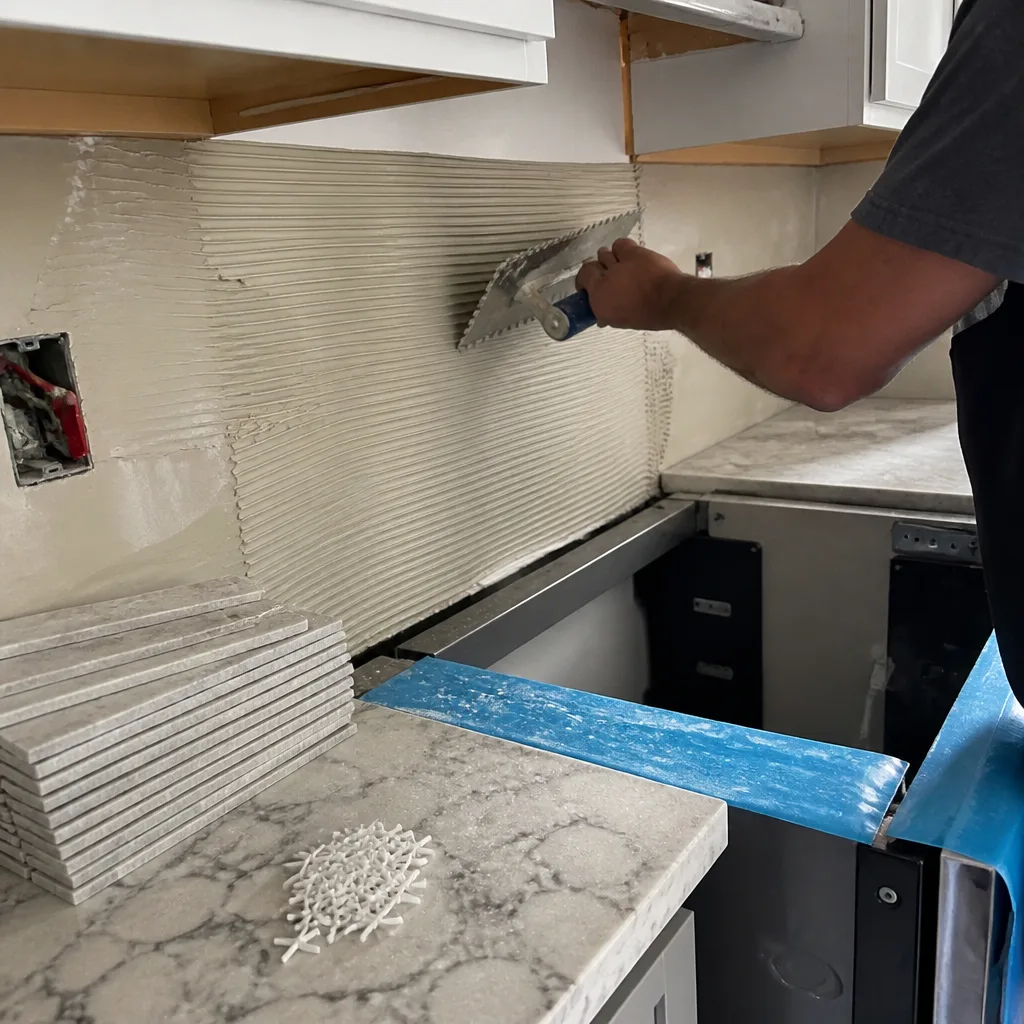
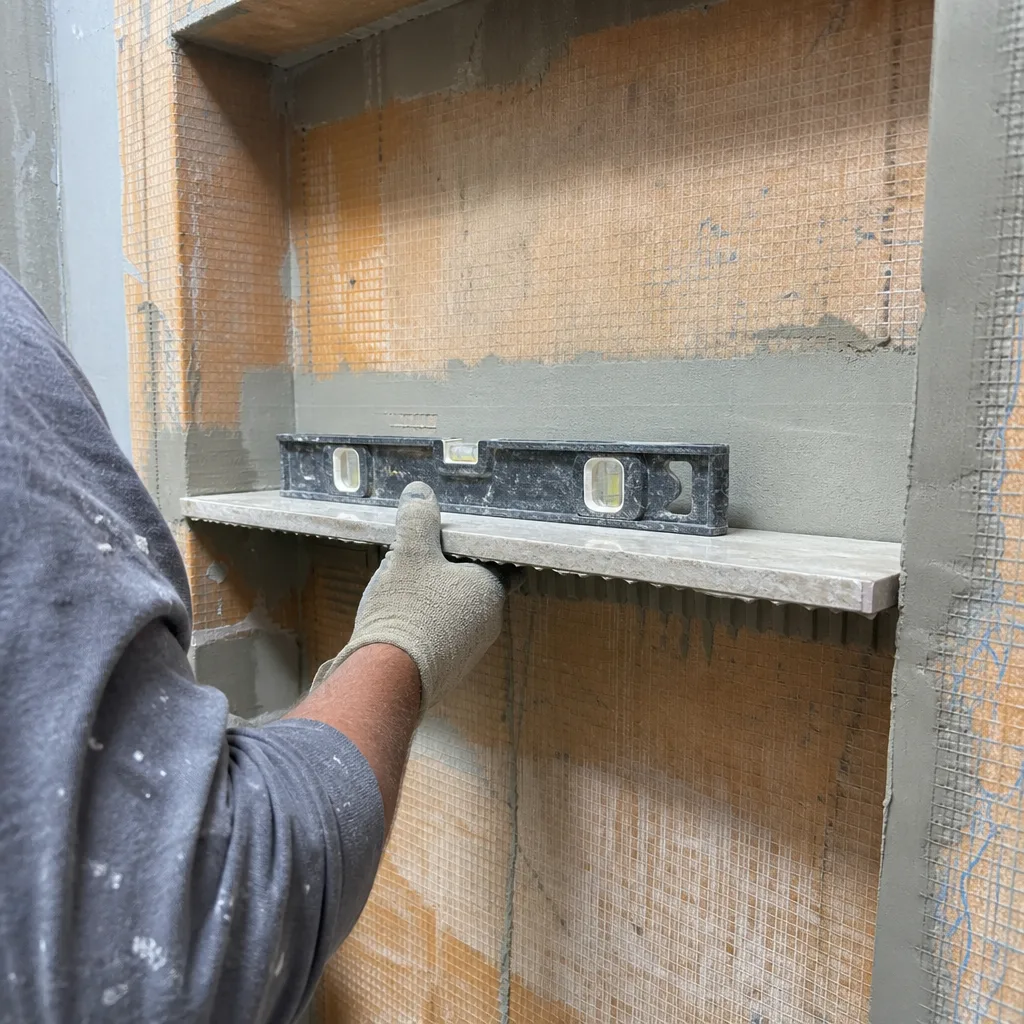
Tile lippage: Lippage is height variation between adjacent tiles. The mechanism is improper thinset coverage or failure to use a leveling system on large-format tile. The industry standard is 1/32 inch for grout joints under 1/4 inch. More lippage means uneven wear, trip hazard, and water pooling. In Kitchen Remodeling in Pompano Beach, we see this most often on backsplash-to-countertop transitions where the installer rushed the final rows.
Grout consistency variation: Grout that is darker in some areas indicates uneven water content during mixing or curing, which means variable strength and porosity. The mechanism is batch mixing without measured water, or working too large an area before cleaning. Porous grout absorbs water and stains; in a Pompano Beach kitchen, that’s a maintenance problem for the life of the installation.
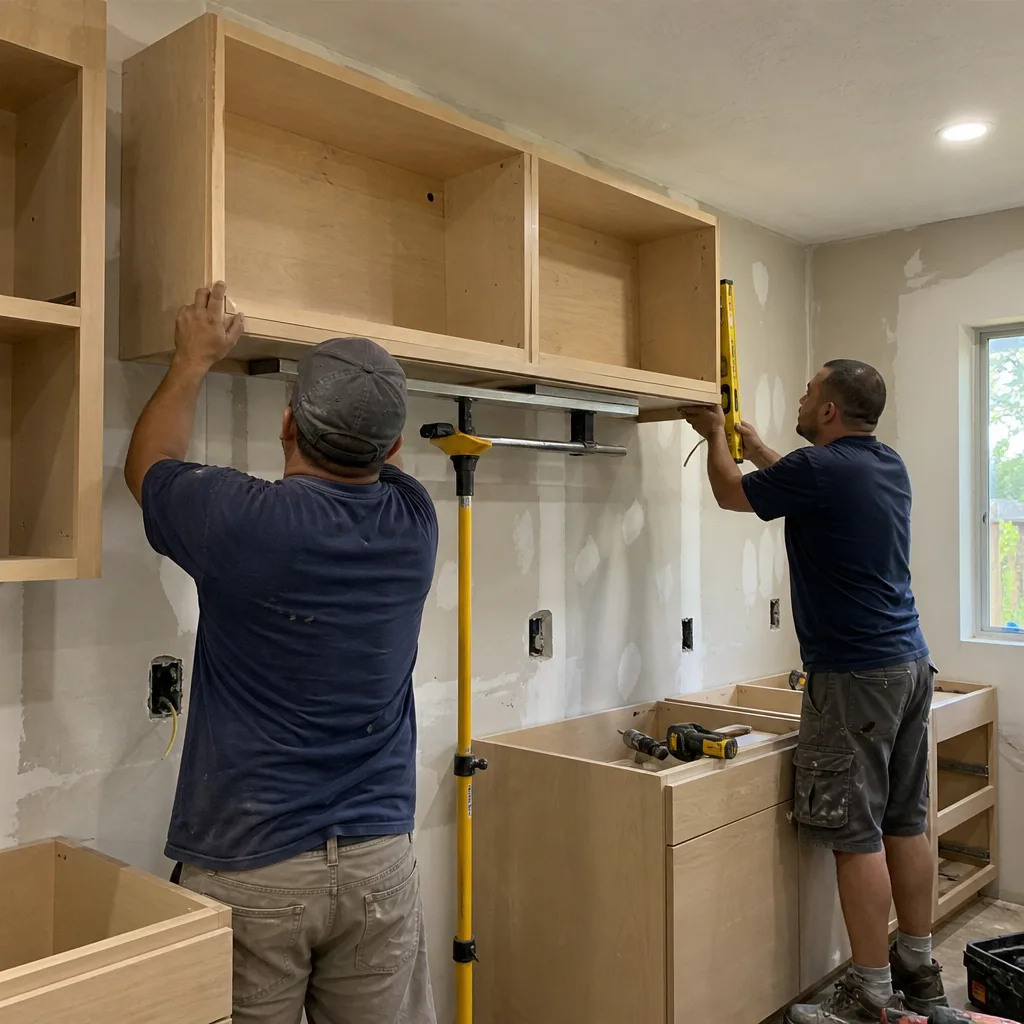
Cabinet alignment: Wall cabinets should present a flat plane to within 1/8 inch over 8 feet. Visible bowing or twist indicates improper fastening to studs, or studs that aren’t in plane. The mechanism is often missed studs (fastening only to drywall) or failure to shim. We’ve corrected cabinet installations where the previous contractor had fastened 36-inch wall cabinets with only two screws into drywall anchors.
Plumbing access: In Bathroom Remodeling in Pompano Beach, every valve and drain connection should remain accessible. A contractor who closes walls over shutoff valves is creating future demolition for maintenance. The mechanism is poor planning: the valve location wasn’t coordinated with the finish layout. Our written scope specifies access panel locations before drywall closes.
Exhaust duct termination: Bathroom exhaust must terminate outside, not into the attic or soffit. Termination into the soffit is common and wrong; the moist air is drawn back into the attic through the soffit vents. The warning sign is mildew in the attic directly above the bathroom. In Pompano Beach’s humidity, this is a guaranteed mold condition.
Common Mistakes to Avoid
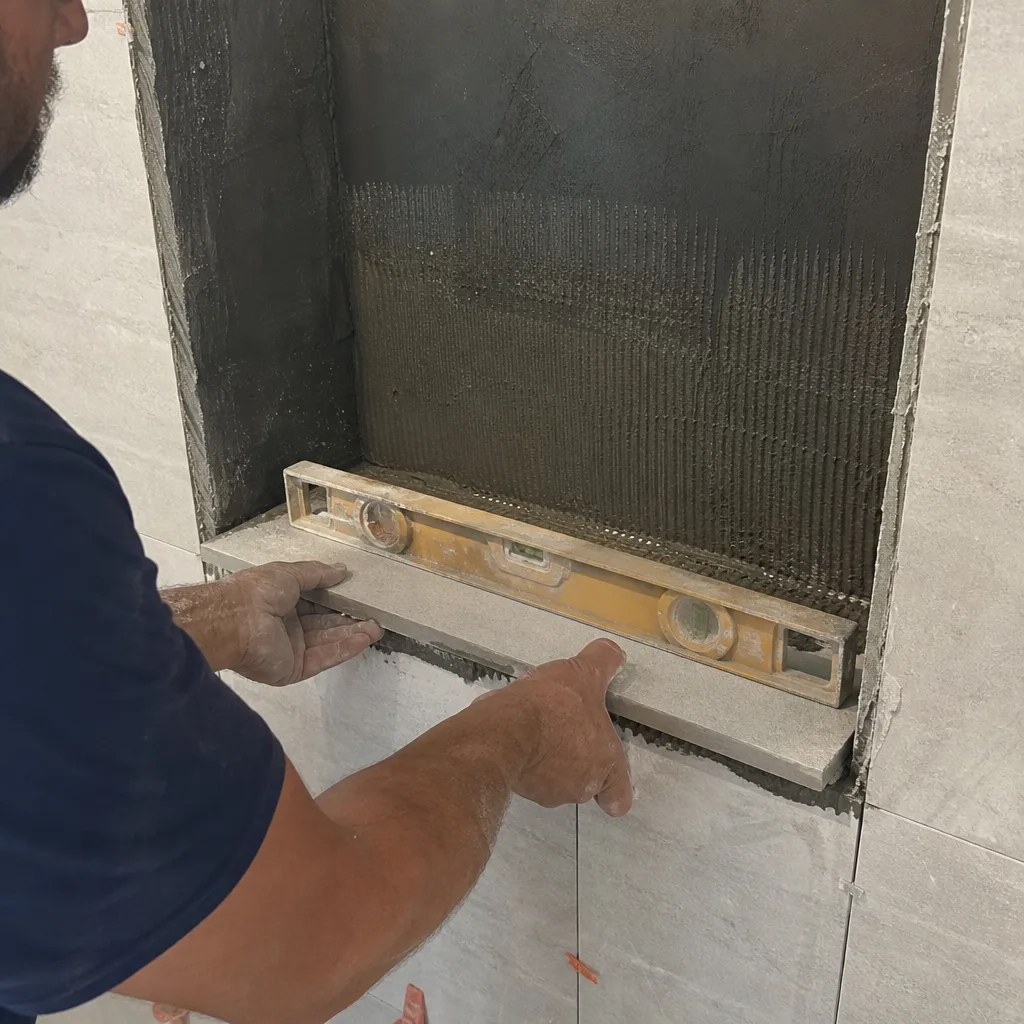
- Monitoring a crack without measuring it. “It hasn’t changed” is a guess without a dated measurement. Use a crack monitor or ruler photo; compare quarterly. A crack that widens 1/16 inch in six months is active and needs evaluation.
- Cleaning soffit staining without identifying the mechanism. Power-washing mildew returns; power-washing rafter-tail rot masks active decay. Probe the substrate before cleaning.
- Accepting a verbal change order. Every scope change needs documentation: what, why, and how much. Verbal changes are the mechanism of project cost overrun.
- Ignoring flat roof ponding. Standing water on a flat roof is not normal. It indicates pitch failure that will degrade the membrane and void most manufacturer warranties.
- Documenting damage without scale reference. Insurance adjusters need to assess severity. Include a coin, ruler, or known object in damage photos for scale.
- Assuming new construction has no warning signs. New homes have the highest rate of installation errors because crews are working fast and inspections are visual, not invasive. The 1/16-inch window gap is more common in new construction than in remodeling.
- Waiting for the “big failure.” By the time a warning sign becomes dramatic, the repair cost has multiplied. The hairline crack is the time to act.
When to Call a Professional
Call a structural engineer for stair-step cracks wider than 1/8 inch, horizontal cracks in foundation walls, or any crack accompanied by door or window binding. Call a roofing contractor for back-pitch conditions, recurrent leaks after repair, or membrane damage visible from the attic. Call a general contractor for remodeling warning signs that indicate installation failure: lippage, binding, or concealed plumbing.
For homeowners in Pompano Beach evaluating any of these signs, Rowan Construction Group Pompano Beach home offers free estimates with written, itemized pricing before any work begins. Call (754) 714-6540 to schedule an inspection. Our 365-Day Done Right Promise applies to every project, backed by The Haven Standard, not a handshake.
Frequently Asked Questions
A professional evaluation typically ranges from $150 for a focused inspection to $500 for a full structural assessment with written report. Rowan Construction Group provides free estimates for repair-scope work; diagnostic-only inspections for properties not under contract are quoted upfront. Call (754) 714-6540 for exact pricing on your situation.
Under Clause 1 of the Haven Standard, the written price is delivered before any work starts and includes a written scope. No change proceeds without a signed change order. This discipline has kept our projects within a few percent of the agreed price since 2007. If we encounter concealed conditions, we document them, quote the change, and obtain signature before proceeding.
Yes, for all work requiring permits under Pompano Beach and Broward County codes. Structural, electrical, plumbing, and roofing work all require permits. We pull permits, schedule inspections, and deliver passed inspection documentation as part of the project record. Working without permit voids insurance coverage and creates resale liability.
Focused repairs range from one day (sealant replacement, weep screed clearing) to two weeks (rafter-tail repair with roof penetration tracing, structural crack repair with epoxy injection). Full remodeling corrections depend on scope. Every quote includes a written timeline with milestone dates.
Homeowners can and should perform the 48-hour documentation protocol described in this guide: exterior survey, interior survey, and photographic record with date stamps. This documentation is essential for insurance claims. However, structural, electrical, and gas system damage require licensed professional evaluation for safety and code compliance. We provide the documented photo record on every visit as standard, included, not optional.
Our Free Second Opinion reviews a competitor’s written estimate line by line, comparing scope, materials, and pricing against our assessment of the actual condition. It’s designed for homeowners who have a quote and want verification. A paid inspection is a standalone diagnostic with no existing quote to review. Both include written documentation; the Second Opinion is free because we believe informed customers make better decisions.
The Bottom Line
Construction warning signs are information, not alarm. The hairline crack, the subtle stain, the operational binding - each documents a mechanism that can be understood and addressed. The homeowner who reads these signs accurately avoids the concealed damage that multiplies repair costs. The homeowner who documents them thoroughly has the evidence for insurance claims and contractor accountability. In Pompano Beach’s specific climate of wind-driven rain, salt air, and flat-roof prevalence, the signs in this guide appear with regularity; the response to each is a matter of procedure, not panic. Measure, document, and act before the sign becomes a failure.
Written by Grant Rowan, Owner at Rowan Construction Group Pompano Beach, serving Pompano Beach since 2007.