
Last updated September 25, 2026
Free written scope consultation - allowances, timeline, and change-order rules on paper before a single trade is scheduled







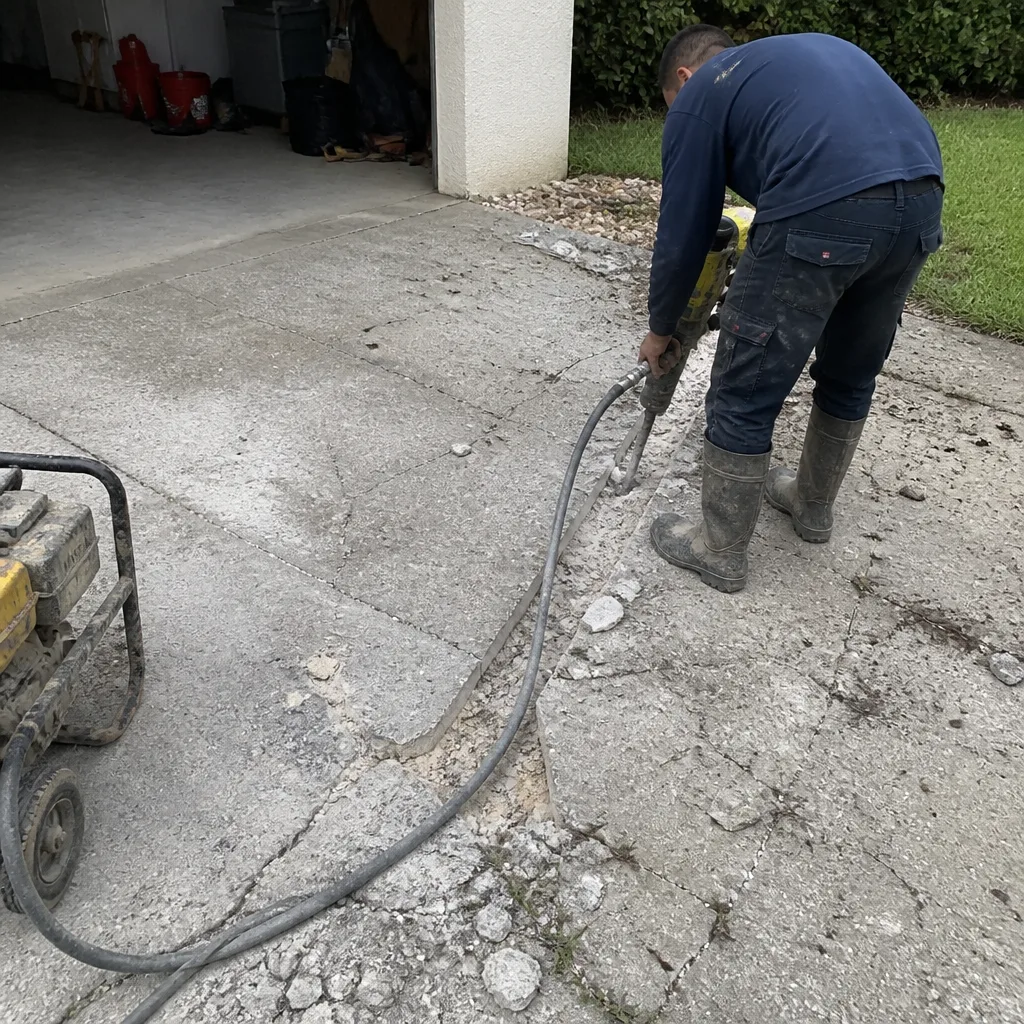 Before
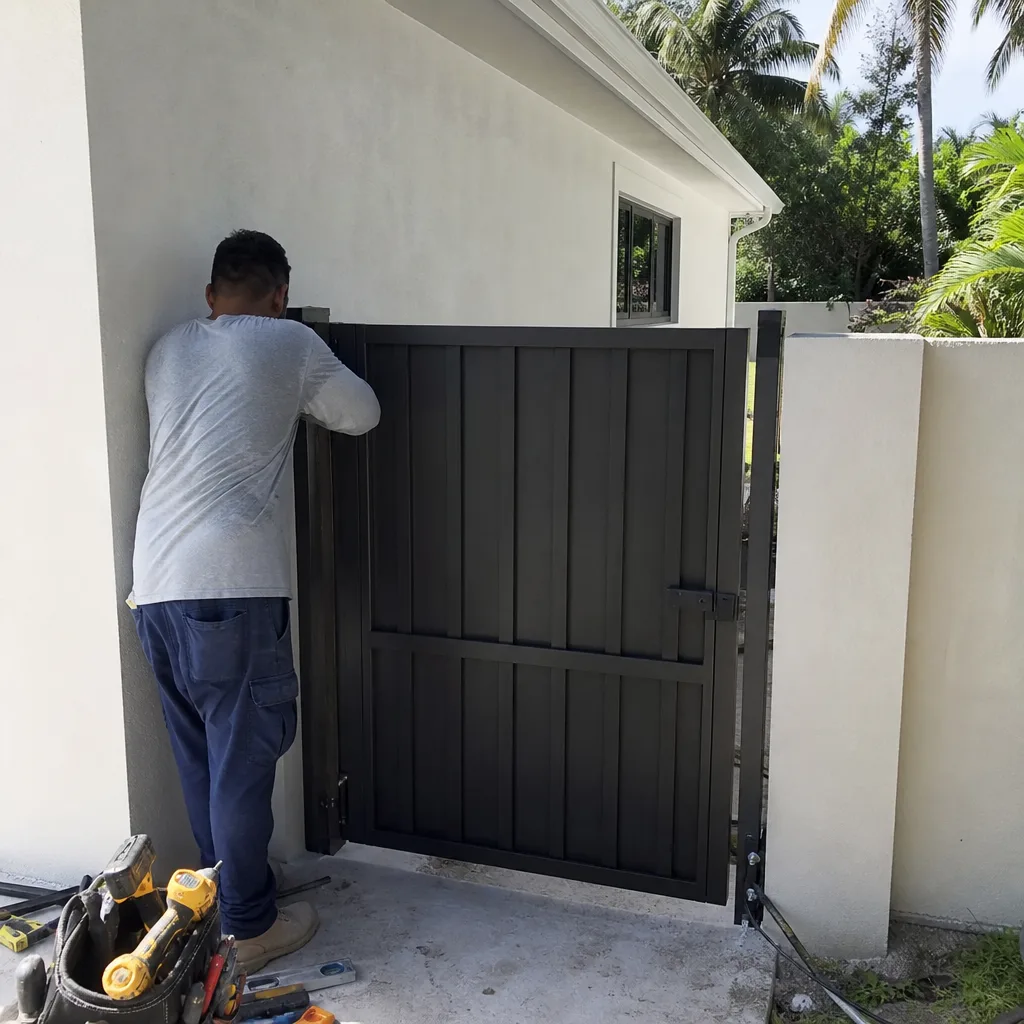 After
After Before
 After
After Before
 After
AfterKitchen Remodeling Maintenance Checklist for Pompano Beach Homeowners
A stainless-steel cabinet hinge rated for interior use will show surface rust within 18 months in a Pompano Beach kitchen with a sea-breeze-facing window. The same hinge can last a decade in Phoenix. The maintenance interval, not just the material grade, is what changes in a coastal kitchen. In this guide, you’ll get a 12-month maintenance calendar calibrated to South Florida’s humidity peaks, salt-air intensity, and hurricane season - plus the hardware specifications, grout inspection intervals, and post-storm checks that generic national checklists miss entirely. For a broader look at protecting your home, see our Seasonal Construction Care for Pompano Beach: Year-Round Homeowner’s Guide.
Quick Answer
Pompano Beach homeowners should inspect kitchen cabinet hardware, grout, and ventilation systems every 3 months, with intensive moisture checks during June through September when humidity peaks. Replace caulk every 12-14 months instead of the standard 24, upgrade to 316 marine-grade hardware within 2 miles of the coast, and run a post-hurricane alignment check on cabinet doors and window seals. Annual professional inspection of under-sink plumbing condensation and range hood ductwork prevents the moisture damage and grease buildup that South Florida’s climate accelerates.
Table of Contents
- Why Coastal Kitchens in Pompano Beach Age Differently
- 12-Month Maintenance Calendar for Pompano Beach
- Hardware Materials and Corrosion Resistance Tiers
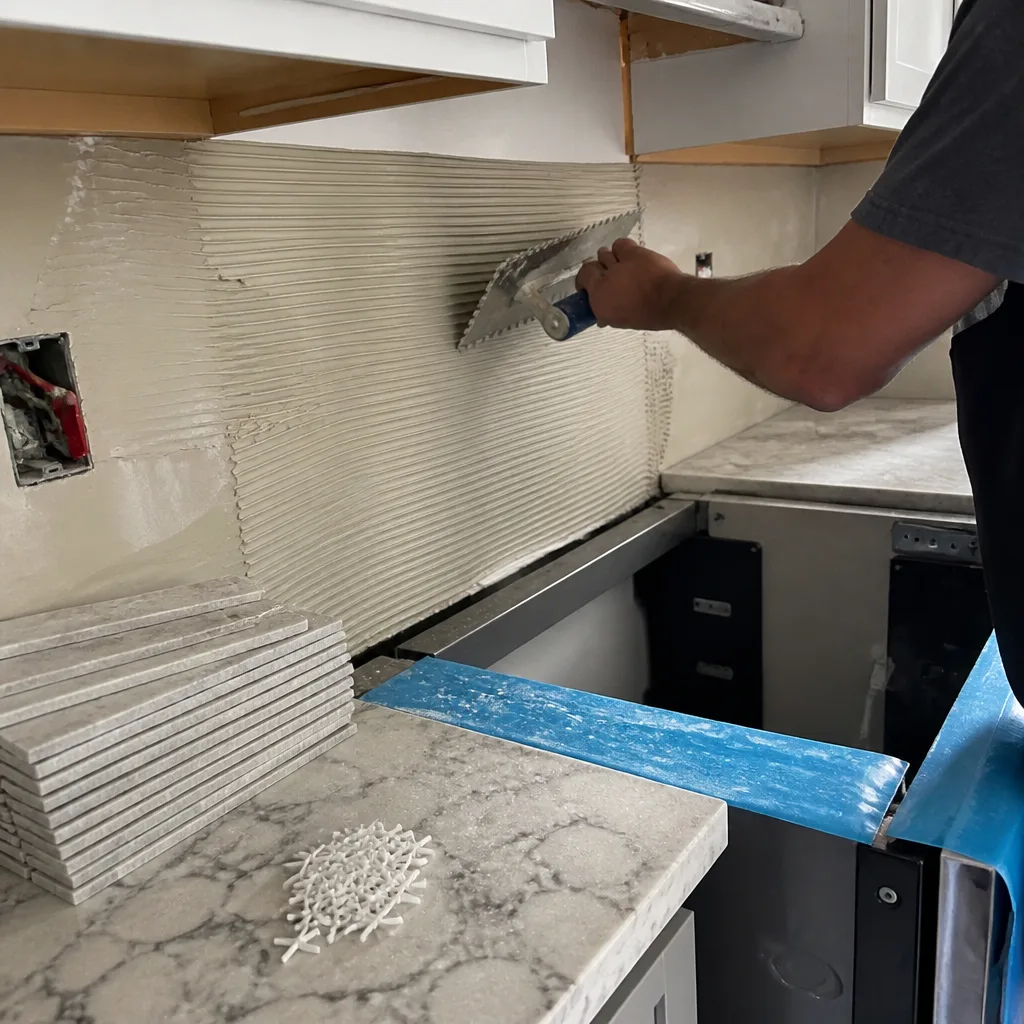
- Grout, Caulk, and Tile Backsplash Maintenance
- Under-Sink Cabinet Moisture Inspection
- Range Hood and Ventilation in Coastal Conditions
- Post-Hurricane Inspection Checklist
- When to Call a Professional
 Before
 After
AfterWhy Coastal Kitchens in Pompano Beach Age Differently
Most kitchen maintenance guides assume a continental climate - dry winters, moderate summers, minimal salt exposure. For a deeper dive into local building considerations, read The Complete Guide to Construction in Pompano Beach. Pompano Beach sits on Florida’s Gold Coast with average relative humidity above 70% eight months of the year and salt aerosol concentration that increases dramatically within a mile of the Atlantic. These conditions create failure modes that inland contractors rarely encounter.
The salt-air index matters. East of Federal Highway (US-1), homes receive direct onshore flow during easterly trade-wind patterns that dominate from October through May. West of I-95, salt exposure drops but humidity remains high enough to accelerate corrosion on standard-grade hardware. We’ve replaced cabinet hinges in Harbor Village that showed pitting in 14 months while identical kitchens in Cypress Bend, three miles inland, showed no degradation after three years.
Humidity cycling causes the second major failure mode. South Florida’s summer dew points regularly reach 75°F, meaning cold water supply lines and air-conditioned cabinet interiors create condensation on surfaces that would stay dry in Denver or Dallas. This moisture accumulates in particleboard substrates, the material behind most cabinet boxes, causing swelling that misaligns doors and voids manufacturer warranties if not documented.
The third factor is ventilation velocity. Coastal breezes that feel pleasant on a patio actively drive cooking aerosols - grease, steam, and particulate - into range hood filters and cabinet joints. A Pompano Beach kitchen with windows open 200 days yearly accumulates grease buildup in ductwork at roughly twice the rate of a climate-controlled Midwest kitchen.
These three conditions - salt corrosion, humidity cycling, and accelerated grease loading - mean maintenance intervals compress and material specifications tighten. The checklist below accounts for all three.
12-Month Maintenance Calendar for Pompano Beach
This calendar aligns tasks with Pompano Beach’s actual climate pattern: dry season (November-April), early wet season (May-June), peak humidity (July-September), and hurricane season overlap (June-November).
January-February (Dry Season, Low Humidity)
- Deep clean and inspect cabinet interiors. Remove contents, check particleboard edges for swelling or delamination, photograph any changes from prior year for warranty documentation.
- Test all hardware movement. Hinges, drawer slides, and pull-out mechanisms should operate without resistance. Salt residue from prior humid season may have crystallized in joints.
- Inspect range hood filter and ductwork access panel. Grease accumulation is typically lowest now; clean or replace per manufacturer spec.
- Check window and door seal integrity. Dry season is ideal for caulking repairs; sealant cures properly in low humidity.
March-April (Transition, Increasing Humidity)
- Apply corrosion inhibitor to non-marine hardware. A thin film of food-safe mineral oil on hinge barrels and screw heads delays salt attack before summer peaks.
- Verify under-sink ventilation. Ensure cabinet toe-kick vents are unobstructed; rising humidity will soon increase condensation risk.
- Schedule professional inspection if warranty requires annual documentation. KraftMaid, Wellborn, and comparable brands often require professional verification for moisture-related claims.
May-June (Early Wet Season, Hurricane Prep)
- First intensive moisture check. Run cold water for 5 minutes, then inspect under-sink cabinet surfaces with a moisture meter. Readings above 16% on exposed particleboard indicate condensation issues.
- Clean and inspect hurricane shutters or impact window tracks. Kitchen windows are frequent shutter locations; debris in tracks prevents proper sealing.
- Document cabinet door alignment with photos. Baseline before hurricane season pressure changes.
- Verify range hood exterior vent flap operation. Humid air and salt can seize spring-loaded dampers, trapping moisture in ductwork.
July-September (Peak Humidity, Highest Risk)
- Biweekly under-sink moisture checks. This is when cold-water line condensation peaks. Use a moisture meter or simple touch-test: any dampness on cabinet floor or back panel requires intervention.
- Run dehumidifier in kitchen if central AC setpoint exceeds 74°F. Each degree increase raises dew point proximity and condensation risk.
- Inspect grout and caulk after any tropical system. Even near-misses drive wind-driven rain into window and backsplash joints.
- Clean range hood filters monthly. Grease loading is highest now due to outdoor cooking and open-window ventilation.
October-November (Hurricane Season End, Transition)
- Post-hurricane inspection per full checklist below. Even if no named storm hit, pressure changes and wind patterns affect seals and alignment.
- Second hardware corrosion assessment. Compare to January photos; document progression for replacement planning.
- Schedule caulk replacement if 12-month interval approaches. Do not wait for visible failure in coastal conditions.
December (Cool, Stable - Maintenance Window)
- Complete any deferred repairs. Best curing conditions for sealants, paints, and adhesives.
- Update maintenance log and warranty documentation. Organize photos, moisture readings, and professional inspection reports for the year.
Hardware Materials and Corrosion Resistance Tiers
Not all stainless steel resists salt equally. The grade stamped on a hinge or pull determines whether it survives a Pompano Beach kitchen, and most homeowners never check.
| Tier | Material | Corrosion Resistance | Appropriate Zone in Pompano Beach | Expected Lifespan |
|---|---|---|---|---|
| Standard | Coated zinc or 201 stainless | Minimal | Not recommended; fails within 2-3 years anywhere in city | 18-36 months |
| Intermediate | 304 stainless steel | Good | West of I-95, inland neighborhoods like Cypress Bend, Palm Aire | 5-8 years |
| Marine | 316 stainless steel | Excellent | East of US-1: Harbor Village, Garden Isles, Collier Park, any ocean-facing unit | 10-15+ years |
| Premium | 316 with PVD coating or solid brass | Superior | Direct oceanfront, ground-floor units, or homeowner seeking 20-year solution | 15-25 years |
We’ve specified 316 marine-grade hardware as standard on Kitchen Remodeling in Pompano Beach projects east of Federal Highway since 2015. The upcharge is typically 8-12% on hardware package cost, but replacement labor at year three - removing doors, filling old screw holes, rehanging - exceeds that premium. Under Clause 1 of the Haven Standard, we itemize the hardware grade in every written quote so the homeowner knows what they’re paying for.
One specification detail competitors miss: the screw material must match the hinge grade. A 316 hinge fastened with a standard zinc-plated screw creates a galvanic cell that accelerates corrosion at the contact point. We specify 316 screws throughout, and we document the fastener grade in the photo record delivered at project completion.
For homeowners with existing 304-grade hardware showing early corrosion, replacement is not always necessary. East of US-1, we recommend proactive replacement. Between I-95 and US-1, a corrosion inhibitor applied annually in March can extend serviceable life to 6-7 years. West of I-95, 304 hardware typically performs adequately with standard maintenance.
Grout, Caulk, and Tile Backsplash Maintenance
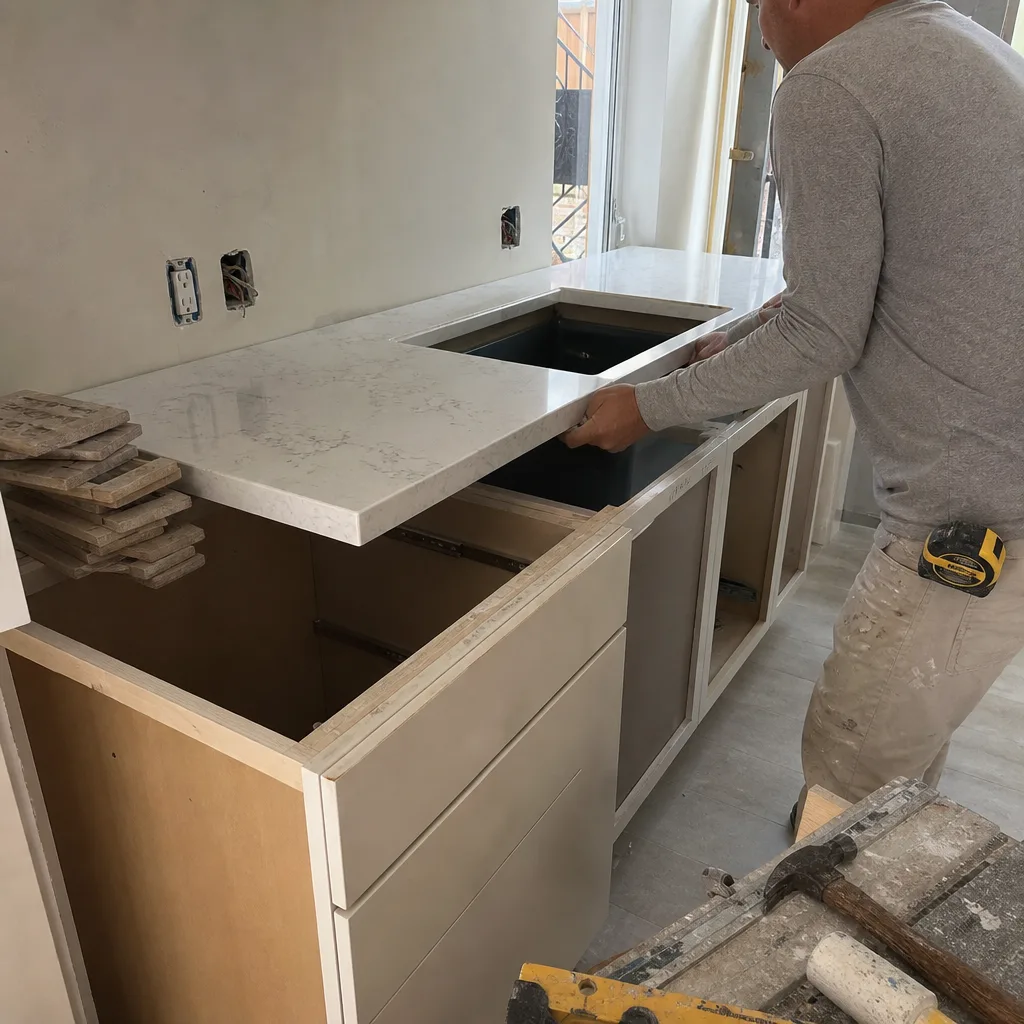
Industry standard for caulk replacement in kitchen wet areas is 24 months. In Pompano Beach, that interval fails. Humidity cycling - daily expansion and contraction of sealant as cabinets breathe moist air, then contract under air conditioning - compresses the effective lifespan to 12-14 months.
We’ve documented this failure pattern across backsplash installations in Pompano Beach from 2012 forward. Silicone caulk in a kitchen with regular window ventilation shows surface cracking at 10-13 months, with water intrusion into drywall substrate following shortly after. The failure is often invisible from the front; moisture enters from the back side where caulk meets wall.
The maintenance protocol:
- Inspect caulk lines monthly during July-September. Look for surface crazing (fine cracks), discoloration, or areas where caulk has pulled away from tile or wall.
- Perform the probe test at 12 months: Gently press a flat tool (butter knife, plastic scraper) into caulk joint. If it penetrates easily or caulk separates in chunks, replacement is due.
- Use 100% silicone, not acrylic latex, for all kitchen applications. Acrylic fails faster in humid environments and is not mold-resistant without additives that degrade.
- Match grout sealer to exposure. Standard penetrating sealer lasts 2-3 years in Pompano Beach conditions. For backsplashes behind gas cooktops, where grease and moisture combine, we specify enhanced-formulation sealers with 18-month reapplication intervals.
Grout itself requires less frequent attention if properly sealed. Inspect for efflorescence - white mineral deposits indicating moisture migration - and for any softening or powdering that suggests seal failure. In beachfront units, wind-driven rain can penetrate exterior wall assemblies and manifest as backsplash grout discoloration before any interior wall damage is visible. This is an early warning sign that warrants professional assessment of the wall envelope.
For tile selection in new or replacement backsplashes, porcelain rather than ceramic offers lower water absorption (0.5% vs. 3-10%), which matters when humidity cycles repeatedly saturate the installation. We specify porcelain for all Kitchen Remodeling in Pompano Beach projects within a mile of the ocean.
Under-Sink Cabinet Moisture Inspection
This is the most commonly missed maintenance item in South Florida kitchens, and the most expensive when missed. Cold water supply lines in a Pompano Beach summer run at 75-78°F while cabinet interior air, if the kitchen AC is at 74°F, has a dew point around 68°F. The 7-10 degree difference causes continuous condensation on pipe surfaces, which drips onto cabinet floors and wicks up particleboard sides.
We’ve opened cabinets in Garden Isles and Harbor Village where the floor panel was swollen to double thickness, the laminate facing had delaminated, and the warranty claim was denied because the homeowner had no documentation of the condition. The manufacturer cited “improper ventilation” - a catch-all denial that a photo record and moisture log would have contested.
Monthly inspection protocol:
- Run cold water for 3-5 minutes to chill supply lines to steady-state temperature
- Visually inspect all pipe surfaces, shutoff valves, and flex line connections for droplets
- Touch-test cabinet floor and back panel with bare hand - any coolness or dampness indicates active condensation
- Photograph any discoloration, swelling, or moisture; date and archive
Mitigation options, in order of effectiveness:
- Insulate cold lines with closed-cell foam pipe insulation. Eliminates surface temperature below dew point. Cost: $15-30 in materials, 30 minutes labor.
- Improve cabinet ventilation. Ensure toe-kick vent is unobstructed; consider adding passive vent to cabinet side if design permits.
- Reduce kitchen humidity setpoint. Lowering thermostat from 76°F to 72°F raises the dew point margin, though with energy cost increase.
- Install small dehumidifier in cabinet or adjacent space. Effective but requires maintenance and power access.
Critical documentation point: if moisture damage develops and a warranty claim is contemplated, the manufacturer will request maintenance records. Our standard photo record on every Rowan Construction Group Pompano Beach home visit includes under-sink documentation for this reason. Homeowners performing self-maintenance should maintain their own dated photo log with the same discipline.
Range Hood and Ventilation in Coastal Conditions
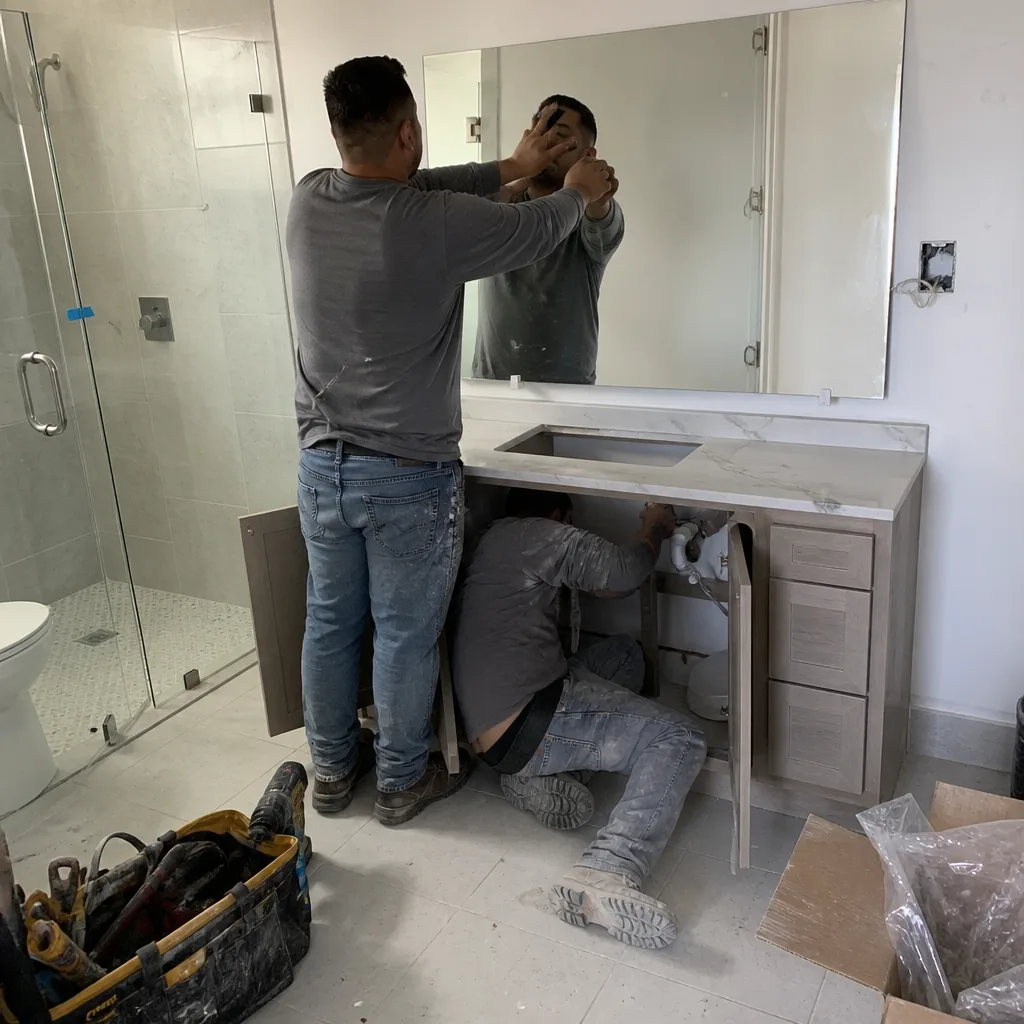
Grease loading in Pompano Beach kitchen exhaust systems exceeds national averages due to three factors: year-round grilling culture (outdoor and indoor), open-window ventilation that lacks filtration, and higher ambient humidity that keeps grease particles airborne longer before they deposit.
The standard recommendation of filter cleaning every 3-6 months applies to closed, climate-controlled kitchens. In Pompano Beach, we recommend:
- Mesh filters: Monthly cleaning in dishwasher or degreaser bath during peak summer; every 6-8 weeks otherwise
- Baffle filters: Every 2-3 months; more effective at grease separation but channels clog with salt residue
- Charcoal filters (non-ducted): Replacement every 4-6 months, not the standard 12; humidity saturates activated carbon
Ductwork inspection is the task most homeowners defer until odor or airflow problems develop. In coastal conditions, the exterior damper is the failure point. Spring-loaded dampers corrode; gravity dampers accumulate salt and grease that prevent full closure. An open or stuck damper allows humid, salt-laden air backflow into the duct, where it condenses on grease-coated surfaces and creates corrosive runoff that damages cabinet structures above.
Annual ductwork inspection should verify:
- Damper opens fully under hood operation and closes completely when off
- Duct interior shows no grease pooling at low points
- Exterior vent cap is secure, with intact seal to wall or soffit
- No bird or insect nesting in cap guard (common in Florida)
For homes with kitchen exhaust routed through attic space shared with soffit vents - a common Pompano Beach construction detail in ranch and split-level homes from the 1960s-1980s - cross-contamination between exhaust and intake air is a concern. Negative pressure from hood operation can draw attic air, including any moisture or contaminants, into the kitchen. This configuration warrants professional assessment if indoor air quality issues arise.
Post-Hurricane Inspection Checklist
Even a near-miss tropical system subjects a kitchen to pressure changes, wind-driven rain, and power fluctuations that affect climate control. The checklist below applies after any tropical storm or hurricane watch/warning, not just direct hits.
Immediate (Within 24 Hours of All-Clear)
- Inspect window and door seals for water intrusion. Kitchen windows are frequent leak points due to overhead soffit exposure. Check sill, trim, and adjacent drywall for dampness or staining.
- Test cabinet door and drawer alignment. Rapid pressure changes can warp frames or shift hinge settings. Note any binding, gaps, or misclosure.
- Verify range hood operation and damper function. Wind pressure can damage exterior components or force debris into ductwork.
- Check under-sink area for leaks. Pressure changes stress compression fittings; vibration from wind can loosen connections.
Within One Week
- Inspect soffit vents sharing attic wall with kitchen exhaust. Blockage from debris or damage to vent screens affects whole-house ventilation and can backdraft moisture into kitchen spaces.
- Photograph any changes in cabinet alignment, seal condition, or moisture presence. Document for insurance and warranty purposes before conditions change.
- Run dehumidifier or lower AC setpoint for 48 hours to dry any incidental moisture before mold colonization can establish.
- Schedule professional inspection if any structural concern arises - cabinet separation from wall, countertop lifting, or tile pop-off indicate substrate moisture that requires intervention.
We’ve performed post-storm assessments in Pompano Beach after Hurricane Irma (2017) and subsequent near-misses. The most common kitchen damage we document is not dramatic flooding but incremental moisture intrusion at window seals and soffit interfaces, often undetected for weeks until cabinet substrates swell. Early documentation - the photo record we provide as standard on every visit - establishes the baseline that makes insurance and warranty claims viable.
For homeowners considering impact window upgrades as part of kitchen renovation, we specify products with tested pressure ratings and installation protocols that include full sealant replacement, not just window replacement. The window is only as good as the seal around it. Windows and Doors in Pompano Beach projects follow the same documentation standard as our kitchen work.
Common Mistakes to Avoid
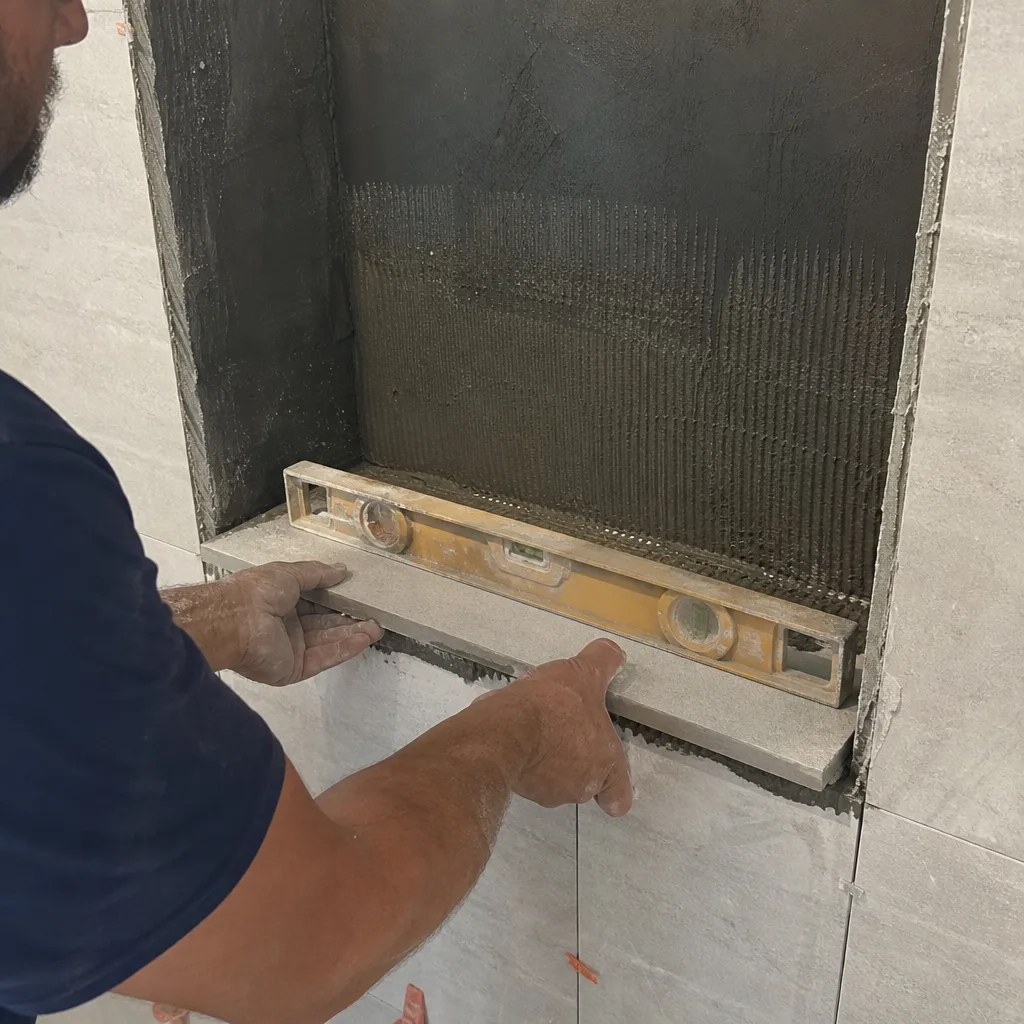
- Using inland maintenance intervals. The 24-month caulk replacement and 6-month filter cleaning schedules from national guides fail in Pompano Beach’s humidity and salt exposure. Compress intervals by 30-50%.
- Installing 304 hardware east of US-1. The cost savings evaporate at first replacement, and the labor to retrofit doors with new screw patterns damages cabinet faces.
- Ignoring under-sink condensation until visible damage appears. By the time particleboard swells visibly, warranty coverage is contested and structural integrity is compromised.
- Cleaning range hood filters with harsh abrasives. Steel wool and aggressive scrubbers damage aluminum mesh and baffle coatings, creating corrosion initiation points that salt air exploits.
- Skipping documentation. Warranty claims and insurance disputes require dated evidence. A phone photo with timestamp takes 10 seconds and can save thousands in disputed coverage.
- Deferring post-storm inspection. “It looks fine” is not a structural assessment. Pressure changes affect alignment in ways that manifest as accelerated wear over months, not immediate failure.
- Using acrylic caulk in any kitchen application. The humidity resistance difference versus silicone is substantial; the cost difference is negligible.
When to Call a Professional
Some maintenance tasks require trade-specific tools and documentation that homeowners cannot reasonably provide. Call for professional assessment when:
- Moisture meter readings exceed 16% on any cabinet substrate, or visible mold is present
- Cabinet doors show misalignment that adjusting hinges cannot correct - this indicates substrate swelling or frame shifting
- Range hood airflow drops noticeably, or exterior damper does not operate freely - ductwork inspection requires access equipment
- Post-storm inspection reveals any structural concern: countertop separation, tile pop-off, or wall movement
- Warranty coverage is active and annual professional inspection is required for claim validity
Rowan Construction Group Pompano Beach offers free estimates in Pompano Beach for Kitchen Remodeling - call (754) 714-6540. Every assessment includes a documented photo record, written findings, and flat-price quote for any recommended work. Under the Haven Standard, no work proceeds without a written price and signed scope, and our 365-Day Done Right Promise applies to all maintenance-related repairs.
Frequently Asked Questions
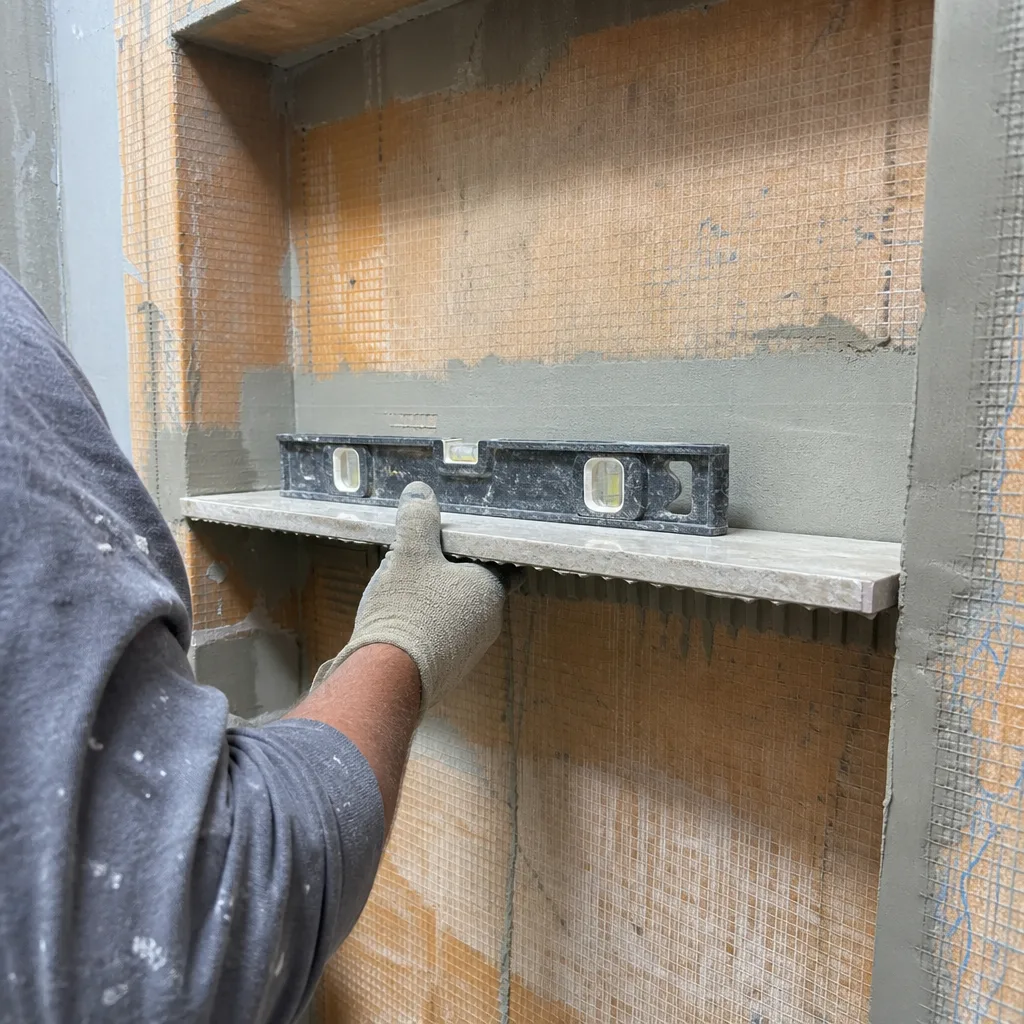
Every 12-14 months, not the standard 24-month interval. Pompano Beach’s humidity cycling causes silicone caulk to crack and separate faster than in drier climates. Inspect monthly during July-September and replace at first sign of surface crazing or separation. Call (754) 714-6540 for an exact quote - estimates are free.
316 marine-grade stainless steel is the minimum specification east of US-1, including Harbor Village, Garden Isles, and Collier Park. Between I-95 and US-1, 304 stainless performs adequately with annual corrosion inhibitor application. West of I-95, 304 is standard. Always match screw material to hinge grade. We itemize hardware specifications in every written quote for Kitchen Remodeling in Pompano Beach.
Condensation on cold water supply lines is the likely cause. In Pompano Beach’s high-dew-point summers, 75°F water lines in a 74°F cabinet create continuous condensation. Insulate lines with closed-cell foam, improve toe-kick ventilation, or lower kitchen humidity. Document with dated photos for warranty protection. Call (754) 714-6540 if moisture persists - we assess at no charge.
Pressure changes warp cabinet frames and misalign doors; wind-driven rain penetrates window and backsplash seals; power outages interrupt climate control and raise humidity. Run the post-hurricane checklist within 24 hours of all-clear, photograph any changes, and schedule professional assessment for structural concerns. Our documented photo record on every visit establishes baseline condition for insurance claims.
No. Under Clause 1 of the Haven Standard, Rowan delivers a flat written price before any work begins, with line-item scope and warranty terms. No change proceeds without a signed change order. This discipline has kept our projects within a few percent of the agreed price across 4,000-plus jobs since 2007. Bring any competitor’s written estimate for a free second-opinion review.
Most manufacturers require annual professional inspection for moisture-related claims, though terms vary by brand. KraftMaid and Wellborn specifically require documented professional assessment for swelling or delamination claims. Our standard visit includes the photo record and written report that satisfies these requirements. Check your warranty terms or call us to review them.
The Bottom Line
A kitchen remodel in Pompano Beach requires maintenance calibrated to coastal conditions: 316 marine-grade hardware within a mile of the ocean, caulk replacement at 12-14 months, biweekly under-sink moisture checks during peak humidity, and post-hurricane inspection of seals, alignment, and ventilation. The cost of proactive maintenance is modest compared to premature cabinet replacement or warranty disputes without documentation. Maintain a dated photo log, compress standard intervals for local climate, and know when professional assessment protects your investment. Browse our more guides & resources for additional homeowner tips.
Written by Grant Rowan, Owner at Rowan Construction Group Pompano Beach, serving Pompano Beach since 2007.