
Last updated September 25, 2026
Free written scope consultation - allowances, timeline, and change-order rules on paper before a single trade is scheduled

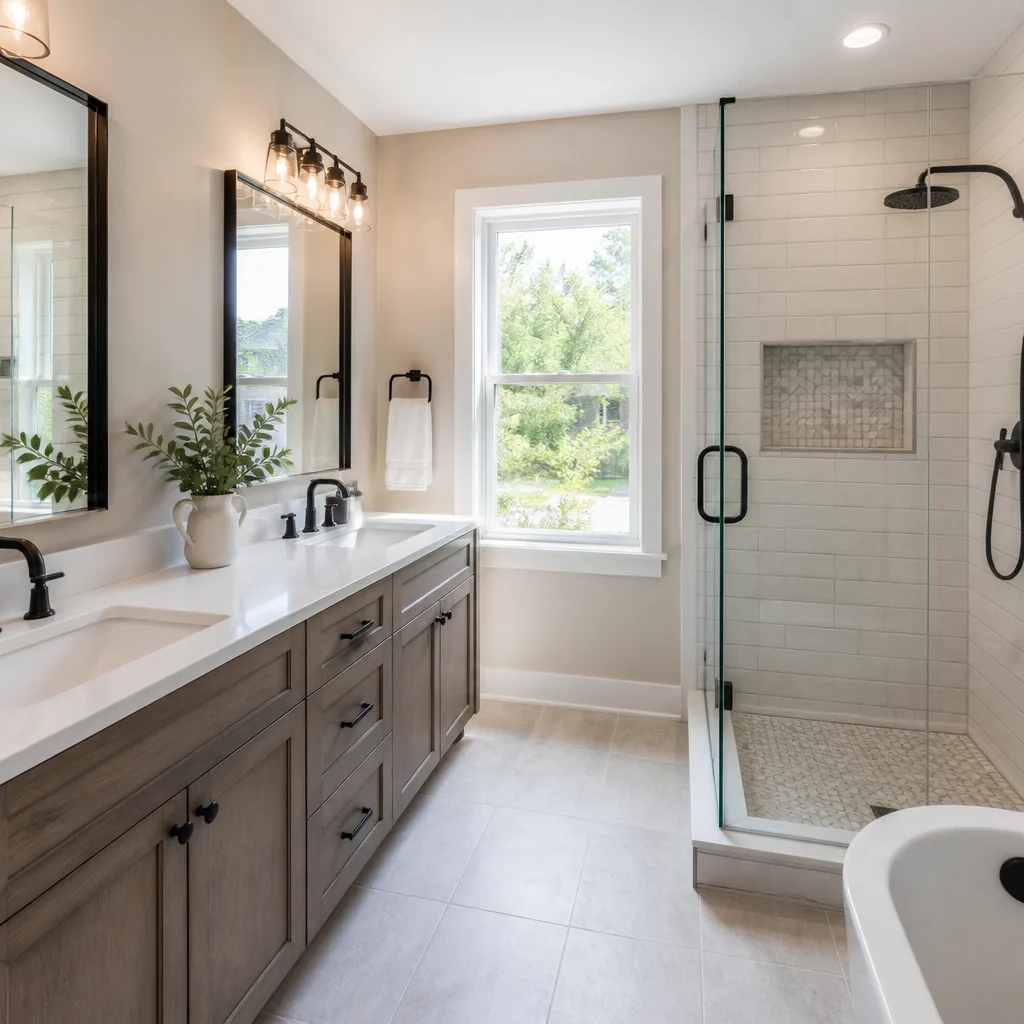




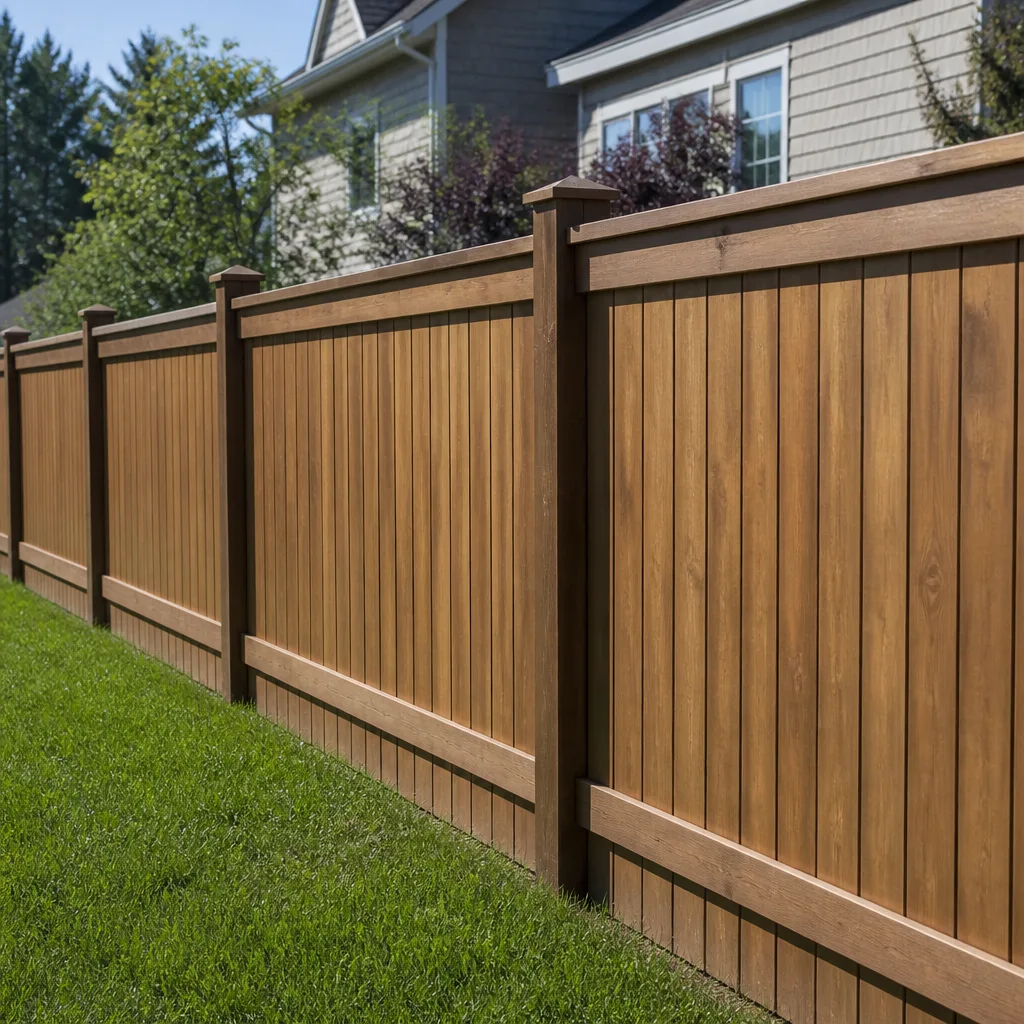
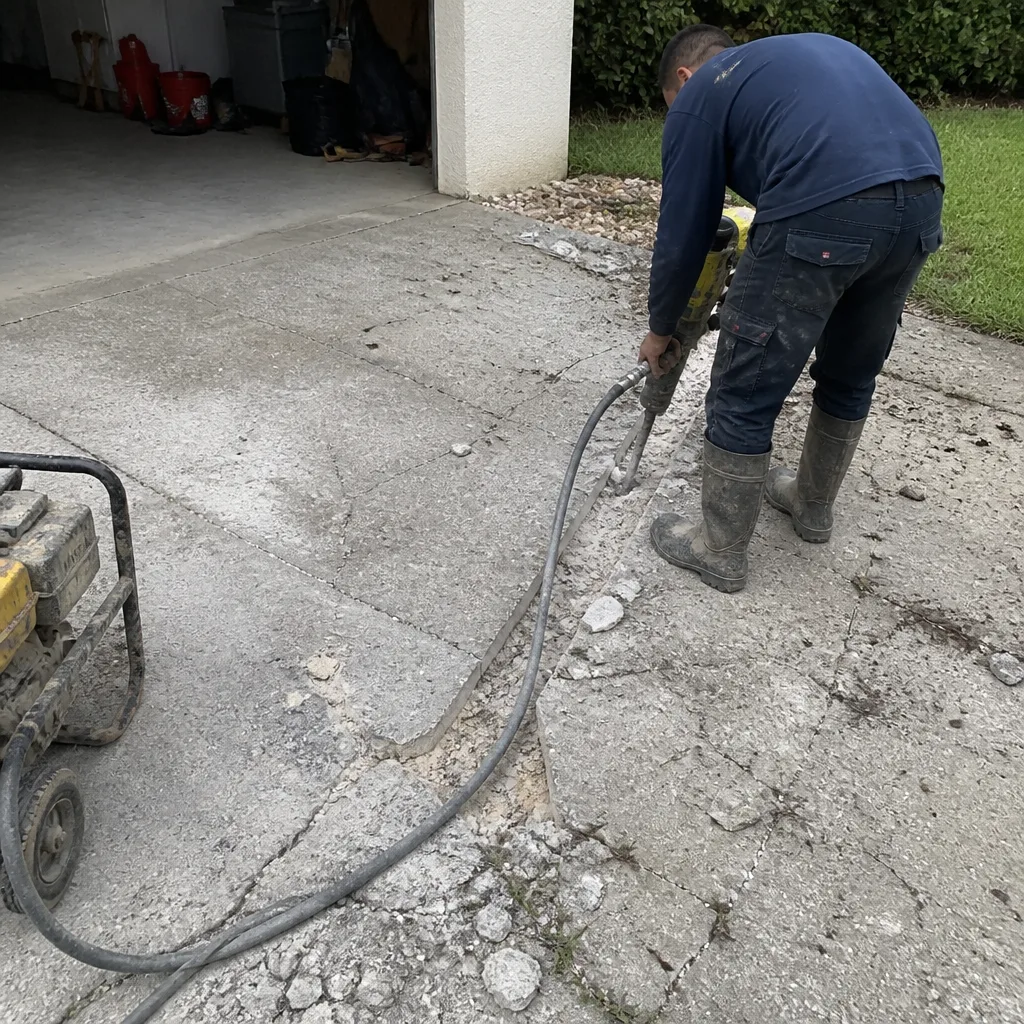 Before
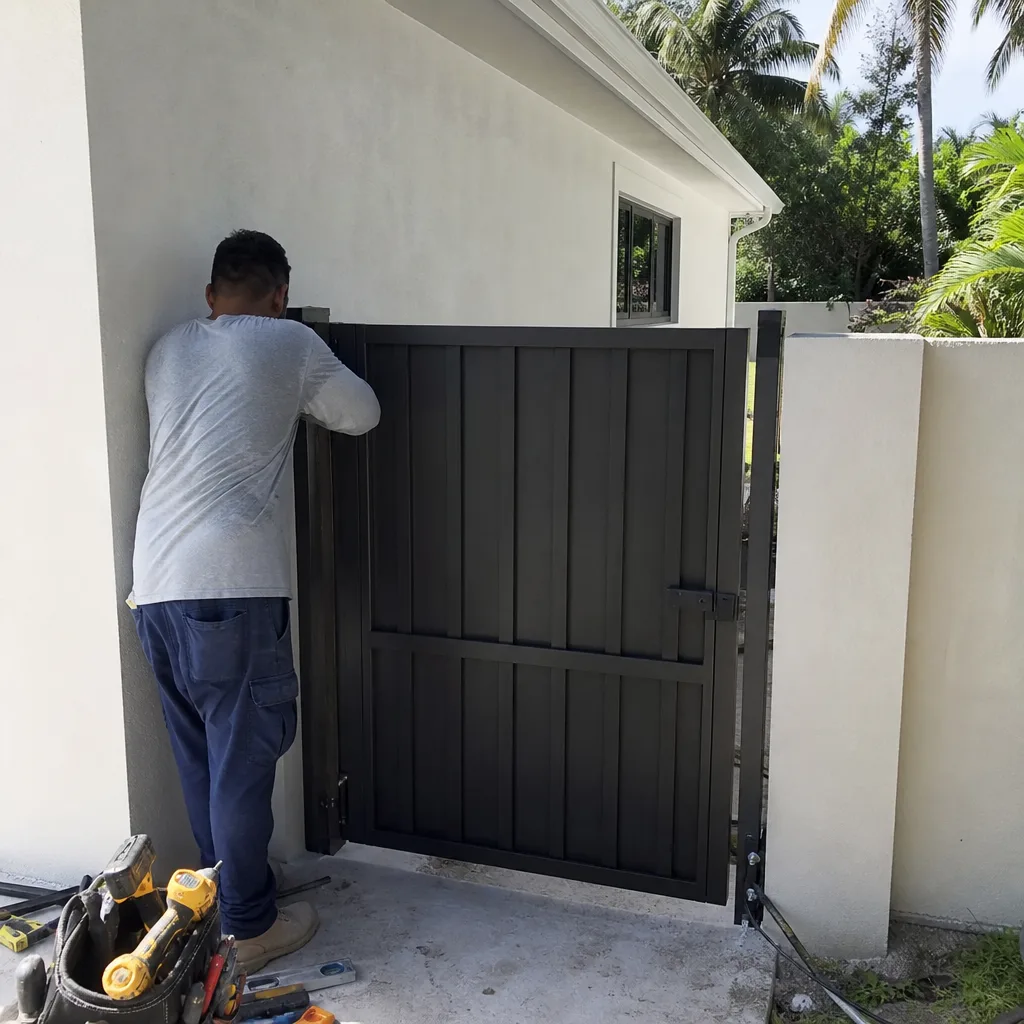 After
After Before
 After
After Before
 After
AfterDIY vs Professional Construction: The Pompano Beach Homeowner’s Decision Guide
Most Pompano Beach homeowners who pull a permit for DIY work never finish the job under the original permit, and the reason isn’t skill or time - it’s that Florida law draws a hard line between what you can legally self-perform and what requires a licensed contractor, and that line is narrower than YouTube tutorials suggest. In this guide, we’ll map the exact boundary between legal DIY and prohibited work in Broward County, calculate the true cost difference for five common projects, and explain how unpermitted work voids your homeowner’s insurance coverage before the first hurricane season hits. For seasonal construction care and year-round homeowner guidance, see our dedicated resource. If you’re weighing a weekend project against hiring a pro in Pompano Beach, start here.
Quick Answer
DIY construction in Pompano Beach is legally permitted only for non-licensed trades on your primary residence, and only if you occupy the home and don’t sell within one year. Electrical, plumbing, gas, HVAC, and structural work require a Florida-licensed contractor regardless of your skill level, and doing this work yourself voids your homeowner’s insurance for any related claim. For most projects, professional installation with permit costs 15-40% more than DIY materials alone, but includes warranty coverage, code compliance, and insurance protection that DIY cannot replicate. If you’re unsure how to vet a professional, read our guide on how to hire a construction contractor in Pompano Beach.
Table of Contents
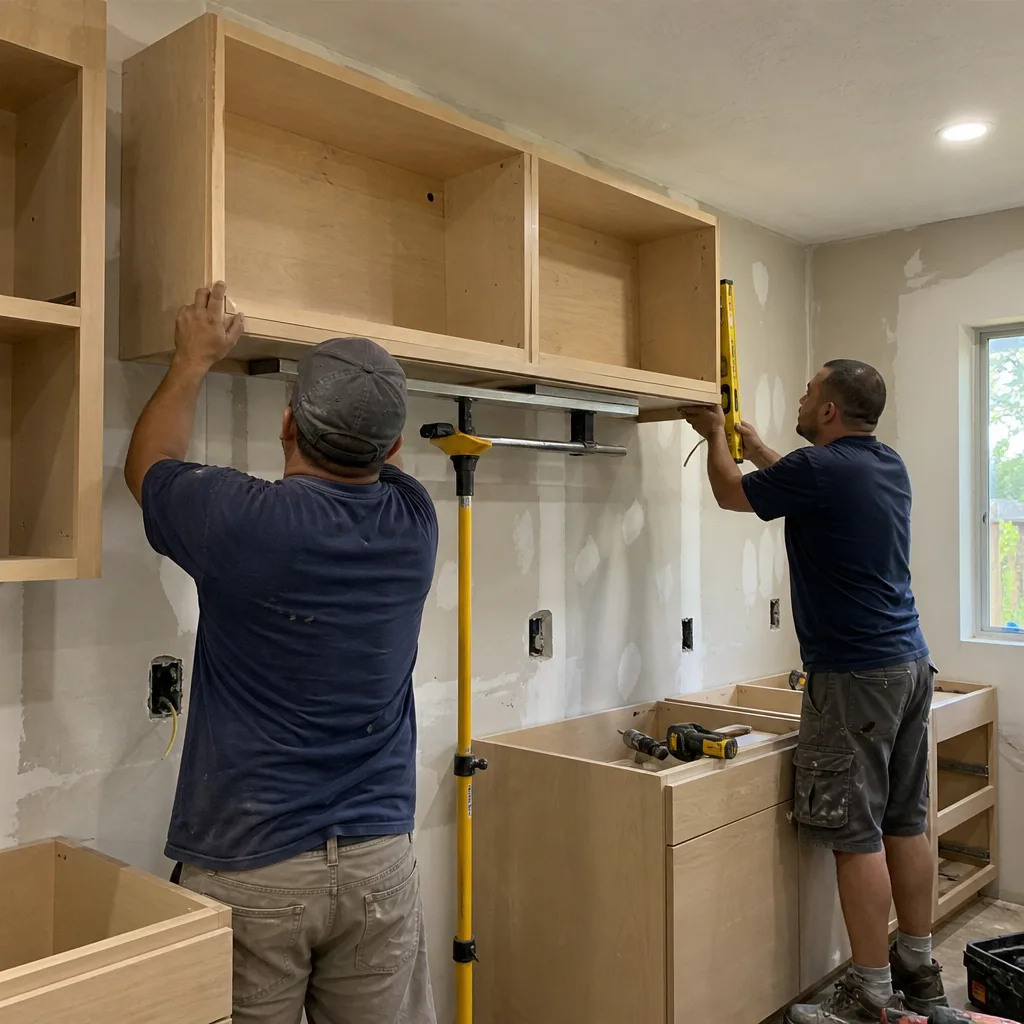
- What Florida Law Actually Allows Homeowners to Build
- The Insurance Gap: How DIY Work Voids Your Coverage
- DIY vs Professional Cost Comparison for 5 Common Projects
- Three Pompano Beach Projects Where DIY Costs More
- How Permits Work in Pompano Beach and Broward County
- When DIY Actually Makes Sense
- Common Mistakes to Avoid
- When to Call a Professional
- Frequently Asked Questions
- The Bottom Line
 Before
 After
AfterWhat Florida Law Actually Allows Homeowners to Build
Florida Statute 489.103(7) creates what builders call the “homeowner-builder exemption.” It sounds generous. It isn’t.
The statute permits an owner of property to act as their own contractor if three conditions are met: the property is residential, the owner occupies it as their primary residence, and the work does not require a licensed contractor under Florida law. The third condition eliminates most projects homeowners actually want to tackle.
Here’s what the exemption explicitly does not cover, regardless of your skill level or whether you pull a permit:
- Electrical work beyond minor repairs. Florida Statute 489.105(3)(o) defines electrical contracting as a regulated trade. Panel upgrades, new circuits, generator interlocks, and any work inside the service panel require a licensed electrical contractor. A homeowner replacing a light fixture or installing a ceiling fan on an existing box is generally permitted; running new 240V service for a pool heater is not.
- Plumbing beyond fixture replacement. Moving a drain line, modifying vent stacks, or installing new water service lines requires a licensed plumbing contractor per Florida Statute 489.105(3)(l). Swapping a toilet or faucet on existing stops is within the exemption; replumbing a bathroom is not.
- Gas line work of any kind. Florida Statute 489.105(3)(j) classifies fuel gas contracting as a licensed trade. This includes running new lines, modifying existing ones, and connecting appliances. No homeowner exemption exists.
- HVAC installation or modification. Florida Statute 489.105(3)(c) requires a licensed contractor for air conditioning and refrigeration work. This includes duct modifications, line-set installations, and unit replacements.
- Structural work beyond defined limits. Broward County Amendment to the Florida Building Code, Section 105.1, requires engineered plans and licensed contractor oversight for load-bearing wall modifications, beam installations, and any work affecting the structural integrity of the building. The homeowner exemption covers non-structural interior alterations only.
The one-year resale restriction is where Pompano Beach homeowners get caught. Under Florida Statute 489.103(7)(b), if you sell the property within one year of completing owner-builder work, you must disclose the work and your role as the contractor to the buyer. More critically, the buyer’s lender will likely require re-inspection of all owner-builder work, and any deficiencies become your financial responsibility to correct before closing. In Pompano Beach’s active resale market, where homes in neighborhoods like Harbor Village and Garden Isles turn over frequently, this restriction traps sellers who completed “simple” DIY projects twelve months prior.
Broward County building inspectors, operating under the Florida Building Code with local amendments for High Velocity Hurricane Zone (HVHZ) requirements, are trained to identify unpermitted or improperly permitted work during routine inspections. A listing inspection - increasingly common in Pompano Beach transactions - will flag electrical panels with non-professional labeling, plumbing without proper venting, and structural modifications lacking engineer stamps. Each flag triggers a permit history review, and unpermitted work discovered during this process can require full remediation, including drywall removal for inspection access, before the sale proceeds.
The Insurance Gap: How DIY Work Voids Your Coverage
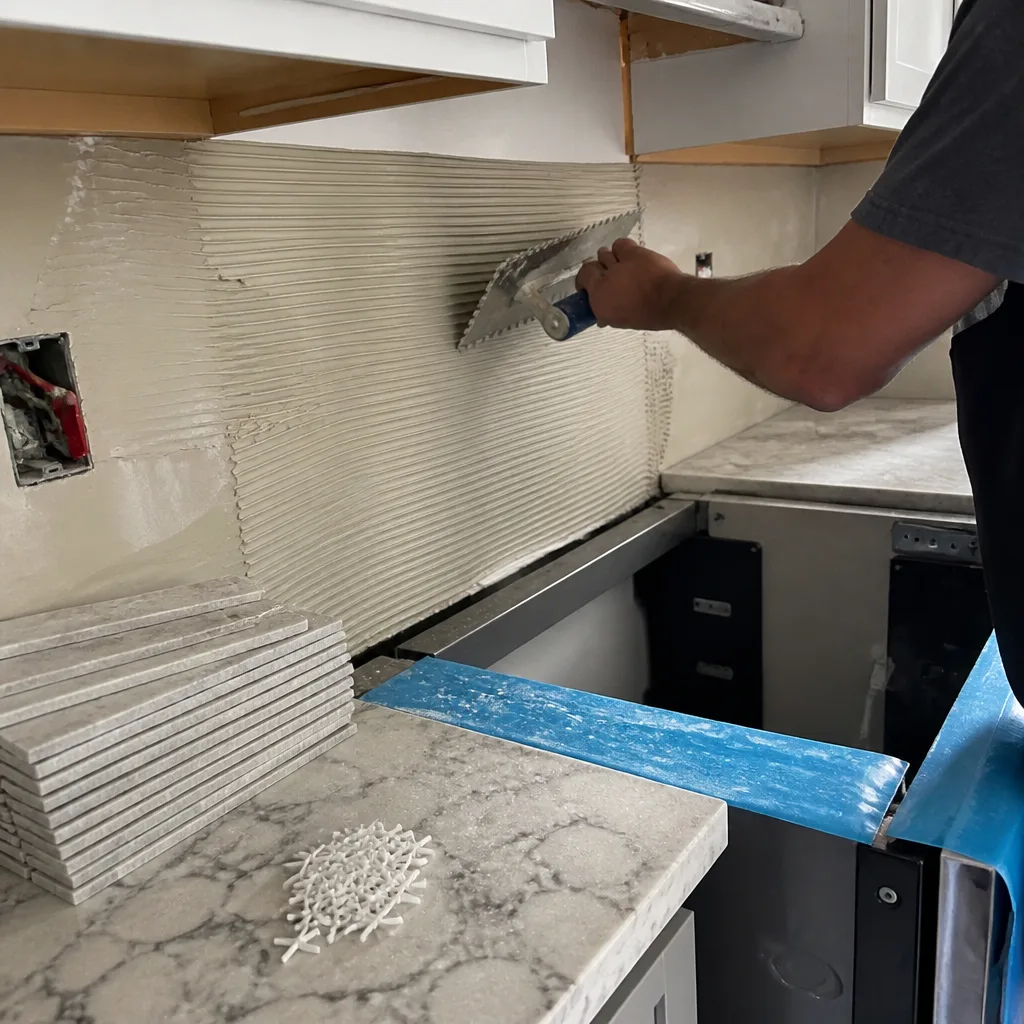
This is the point most DIY guides omit entirely, and it’s the most expensive oversight a Pompano Beach homeowner can make.
Florida homeowner’s insurance policies contain a standard exclusion for “faulty, inadequate, or defective workmanship, construction, or materials.” This language appears in ISO form HO-3 policies and virtually every Florida-admitted carrier’s equivalent. The exclusion applies when the damage results from work that was not performed by a licensed contractor in accordance with applicable building codes - regardless of whether the homeowner believed the work was correct.
Here’s how this plays out in practice for Pompano Beach properties:
- Water damage from improper plumbing. A homeowner in the Cypress Lake area installs a new bathroom vanity and connects the supply lines with compression fittings rather than proper soldered or crimped connections. The fitting fails six months later, flooding the bathroom and adjacent bedroom. The insurance adjuster notes the non-professional installation, invokes the faulty workmanship exclusion, and denies the $18,000 damage claim. The homeowner pays out of pocket.
- Fire damage from unpermitted electrical work. A homeowner in Palm Aire adds a backyard workshop and runs power from the main panel without permit or licensed electrician involvement. An overloaded circuit ignites insulation. The fire marshal’s report cites the unpermitted electrical work as the probable cause. The insurance carrier denies the structural damage claim under the workmanship exclusion and may rescind the policy entirely for material misrepresentation on the application (which typically asks whether all electrical work was performed by licensed contractors).
- Wind damage amplified by structural modifications. A homeowner in the beachside zone removes interior walls to create an open floor plan without engineering review or permit. During a named storm, the altered load path causes roof uplift that would not have occurred in the original configuration. The insurance carrier’s engineer identifies the unpermitted structural modification as a contributing cause and reduces or denies the claim.
The critical distinction: professional work with proper permits and inspections creates a record of code compliance that insurance carriers recognize. DIY work, even when technically competent, lacks this documentation. In Florida’s litigious insurance environment, carriers actively seek workmanship exclusions to limit exposure. Unpermitted owner-builder work is the lowest-hanging fruit.
For Pompano Beach properties within three miles of the coast, this risk intensifies. Wind-borne debris regions and HVHZ requirements mean that code compliance is not abstract - it’s the difference between a roof that stays on and one that doesn’t. Insurance carriers know this. They employ engineers who know this. And they will use any available exclusion to limit catastrophic loss payouts in coastal Broward County.
DIY vs Professional Cost Comparison for 5 Common Projects
The following table shows realistic Pompano Beach pricing for five projects a homeowner might consider self-performing. DIY costs include materials at retail pricing and tool rental; professional costs include materials, labor, permit fees, and inspections. All prices reflect 2024-2025 Broward County market conditions.
| Project | DIY Materials | Tool Rental | Est. Labor Hours | DIY Total (materials + tools, labor unpaid) | Professional Installed (with permit) |
|---|---|---|---|---|---|
| Tile floor installation, 200 sq ft bathroom | $680-$920 (ceramic) or $1,400-$2,200 (porcelain) | $180-$240 (wet saw, mixer, trowels) | 35-50 hours | $860-$1,160 (ceramic) or $1,580-$2,440 (porcelain) | $2,800-$4,200 (includes Schluter or equivalent membrane, permit $85) |
| Drywall repair, 4×8 ft ceiling section (water damage) | $85-$140 (board, mud, tape, primer) | $45-$65 (drywall lift, mud mixer) | 12-18 hours (over 3 days for drying) | $130-$205 | $650-$950 (includes texture match, paint, permit not required for repair under 25% of surface) |
| Exterior painting, 2,200 sq ft single story | $1,100-$1,600 (paint, primer, caulk, brushes/rollers) | $280-$400 (sprayer, pressure washer, ladders 24’+) | 80-120 hours | $1,380-$2,000 | $4,500-$6,800 (includes prep, two coats, HVHZ-rated elastomeric if within 3 miles of coast, no permit) |
| Deck construction, 12×16 ft wood, attached | $2,800-$3,600 (pressure-treated lumber, hardware, concrete) | $220-$340 (miter saw, auger, compressor) | 60-90 hours | $3,020-$3,940 | $8,500-$12,000 (includes footings to code, ledger flashing, permit $280, two inspections) |
| Bathroom vanity replacement (swap, no plumbing relocation) | $380-$750 (vanity, faucet, supply lines, caulk) | $0-$45 (basic hand tools, basin wrench) | 6-10 hours | $380-$795 | $1,200-$1,800 (includes disposal, reconnection to existing stops, no permit required for fixture swap) |
The table reveals what most cost comparisons obscure: the DIY column shows materials and tools only, with labor valued at zero. At Florida’s 2025 minimum wage of $13.00 per hour, even unskilled labor has an opportunity cost. At a realistic $35-$65 per hour for skilled homeowner time (what you could earn elsewhere, or the value of your weekend), the gap narrows substantially.
More importantly, the professional column includes permits and inspections that protect insurance coverage and resale value. The DIY column does not. For the deck project, a Pompano Beach homeowner who builds without permit faces not only insurance voidance but also a $500-$1,500 re-inspection fee if the work is discovered, plus potential demolition order if footings don’t meet Broward County’s 36-inch depth requirement for attached structures.
Three Pompano Beach Projects Where DIY Costs More
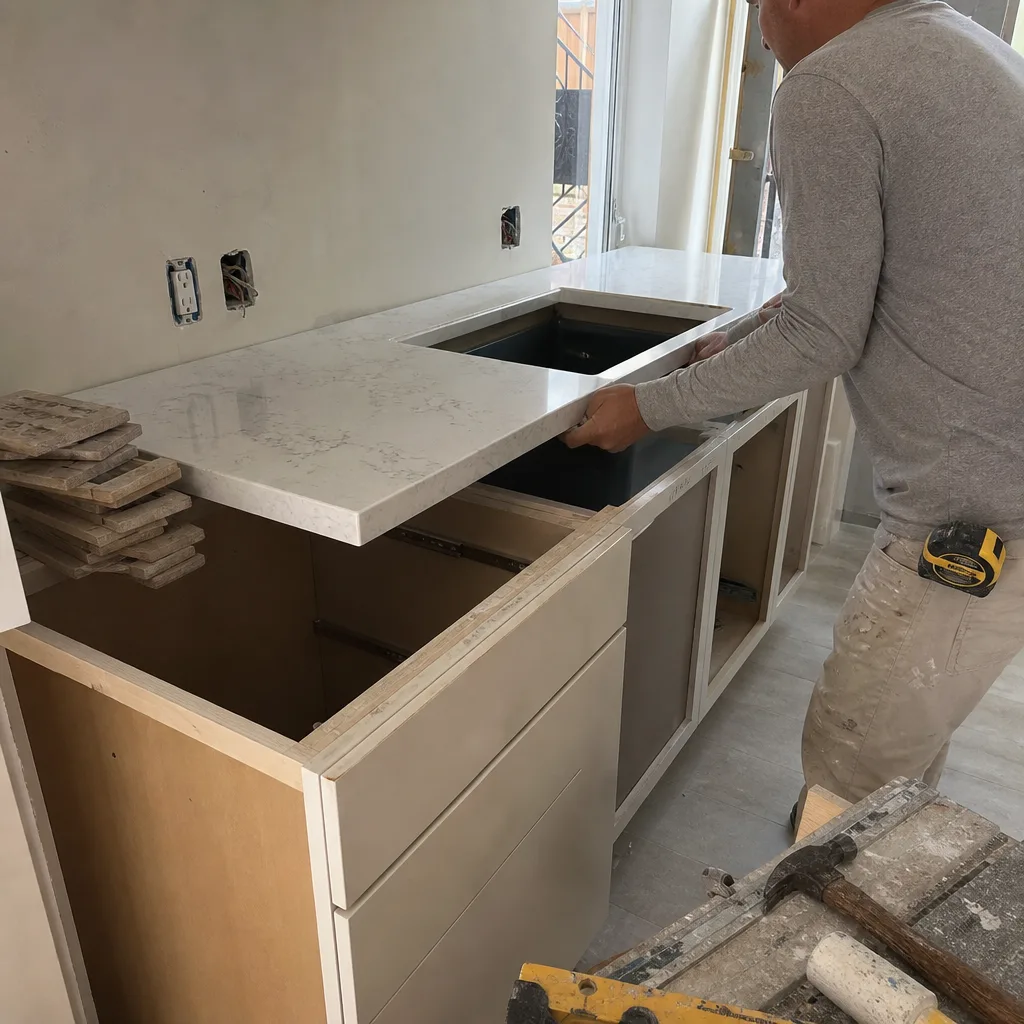
Some projects carry hidden cost structures that invert the DIY savings assumption. In Pompano Beach, three categories consistently produce higher total cost for owner-builders than for professional contractors:
1. Projects Requiring HVHZ-Rated Materials
Pompano Beach sits within the High Velocity Hurricane Zone, defined by the Florida Building Code as areas with design wind speeds of 140 mph or greater. This triggers material specifications that retail consumers rarely access at competitive pricing.
Windows and exterior doors illustrate the gap precisely. Rowan Construction Group Pompano Beach home sources ES Windows and ECO Window Systems impact-rated products through distributor relationships at pricing 15-25% below retail. A homeowner purchasing equivalent HVHZ-rated windows at a home improvement retailer pays full retail plus delivery, then faces the additional cost of Florida Product Approval verification - a documentation step that contractors handle routinely but that owner-builders often miss, triggering inspection failures and re-inspection fees.
The same dynamic applies to roofing. GAF and Owens Corning HVHZ-rated shingles, underlayment, and fastening systems are available to contractors at tiered pricing based on volume and certification. A homeowner buying comparable materials at retail pays the premium without the volume discount, then must still hire a licensed roofing contractor to install them (Florida Statute 489.105(3)(k) prohibits owner-builder roofing on structures intended for occupancy).
2. Projects That Trigger Re-Inspection Fees
Broward County Building Code Enforcement operates on a fee structure that penalizes iterative corrections. The base inspection fee covers the initial visit; failed inspections incur re-inspection fees of $85-$150 per visit depending on trade and complexity.
Owner-builders fail inspections at significantly higher rates than licensed contractors for predictable reasons: unfamiliarity with current code amendments, incorrect documentation submission, and procedural errors like scheduling inspections out of sequence (foundation before plans approval, for example). A kitchen remodeling in Pompano Beach that requires three electrical inspections, two plumbing inspections, and a final building inspection can accumulate $400-$700 in re-inspection fees alone if the owner-builder is learning the process in real time.
Professional contractors build these costs into their pricing based on experience. Rowan Construction Group’s 4,000-plus project history in Florida markets produces first-pass inspection rates above 95% for standard trades. The owner-builder paying re-inspection fees is subsidizing their own education with no transferable credential.
3. Projects Within 3 Miles of the Coast
Pompano Beach’s eastern neighborhoods - from the beachfront condos to the Intracoastal Waterway properties in Harbor Village and Riviera Isles - experience accelerated material degradation from salt air, humidity, and UV exposure. Material selection for these locations requires specifications that retail staff rarely provide accurately.
Exterior paint on a beachside Pompano Beach home fails in 3-4 years with standard acrylic latex, even with primer. HVHZ-appropriate elastomeric or 100% acrylic silicone blends rated for marine exposure last 7-10 years but cost 40-60% more per gallon. The homeowner who buys standard paint at retail and repaints twice in a decade spends more than the professional application with correct specification once. The same calculus applies to fasteners (stainless or ceramic-coated required within 1,000 feet of salt water), hardware, and decking materials.
For bathroom remodeling in Pompano Beach in these coastal zones, moisture management specifications are more stringent than inland. Cement board with integrated waterproofing membrane, vapor barriers with specific perm ratings, and exhaust ventilation sized to ASHRAE 62.1 standards for humid climates - these are specifications that contractors specify routinely and that owner-builders often omit, leading to mold remediation costs that dwarf any initial savings.
How Permits Work in Pompano Beach and Broward County
Understanding the permit process clarifies where DIY ends and professional requirements begin. Broward County operates a consolidated building department with municipal variations; Pompano Beach properties fall under Broward County Building Code Enforcement for unincorporated areas and the City of Pompano Beach Building Department for incorporated areas. The distinction matters for fee schedules and inspection scheduling.
Step-by-Step: The Professional Permit Process
- Plan submission. Licensed contractors submit engineered plans or manufacturer specifications, depending on project scope. Structural work requires engineer-stamped drawings; cosmetic work may proceed with scope narratives and product data sheets.
- Plan review. Building department staff review for code compliance, HVHZ requirements, and flood zone considerations. Pompano Beach properties in AE flood zones require additional elevation documentation.
- Permit issuance. Upon approval and fee payment, the permit is issued with inspection sequence requirements. Inspections must occur in order; skipping steps voids the permit.
- Rough inspections. Structural, electrical, plumbing, and mechanical trades are inspected in sequence before concealment. Each trade requires separate inspection scheduling.
- Final inspection. Upon completion, a final inspection verifies code compliance, proper documentation, and completion of all required corrections.
- Certificate of Completion or Occupancy. The legal document that closes the permit and validates the work for insurance and resale purposes.
The Owner-Builder Permit Process
The same sequence applies, with critical differences. The owner-builder must:
- Personally submit all documentation, including engineer-stamped drawings for structural work (which engineers may be reluctant to provide directly to non-contractors)
- Schedule all inspections personally, with no trade coordination support
- Be present for all inspections during business hours
- Correct all deficiencies personally or hire licensed trades for corrections (at which point the cost advantage erodes)
- Maintain all documentation for the one-year resale disclosure period and beyond
The City of Pompano Beach Building Department reports that owner-builder permits for projects exceeding $5,000 in value have a 34% correction rate on first inspection, compared to 12% for licensed contractors. Each correction cycle adds 7-14 days to project timeline, during which the property may be uninhabitable or partially secured.
When DIY Actually Makes Sense
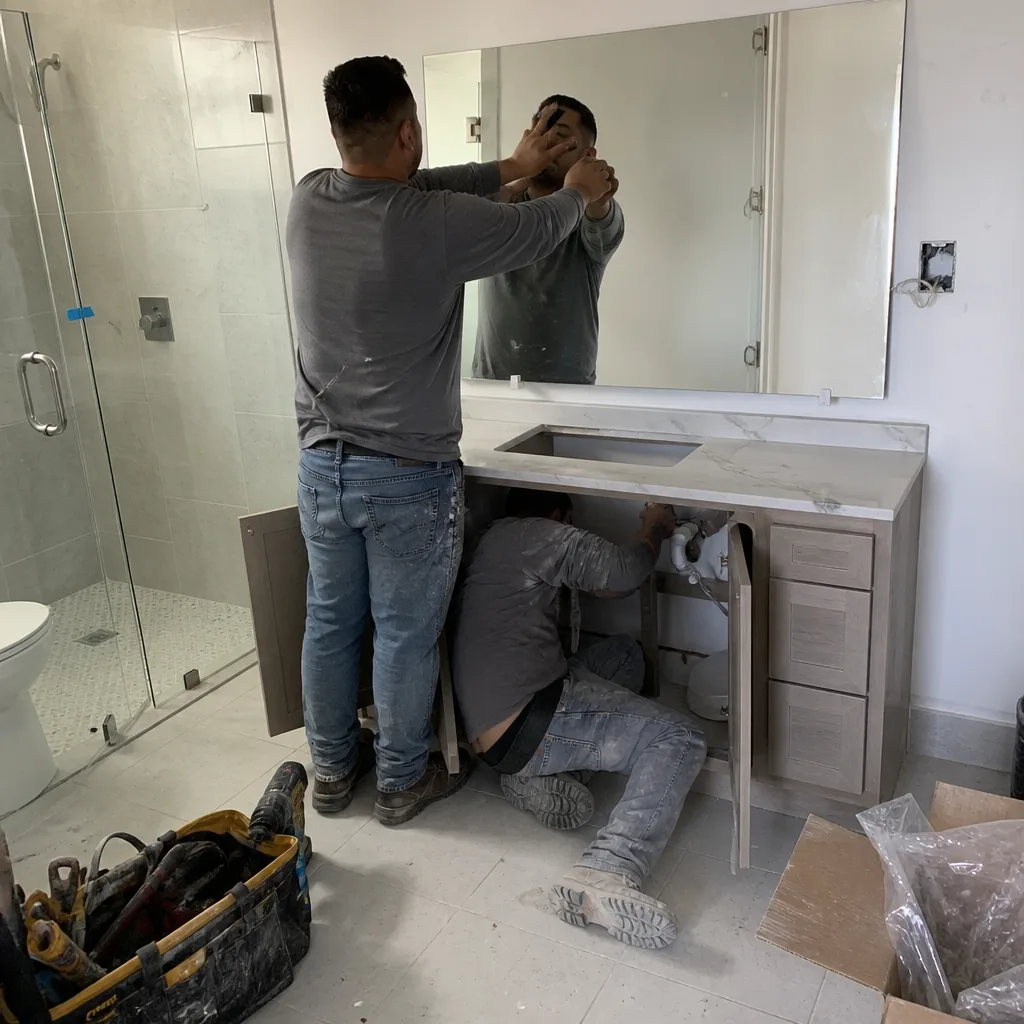
Despite the constraints, specific projects in Pompano Beach are genuinely appropriate for competent owner-builders:
- Interior painting (non-HVHZ locations, standard preparation). No permit required, no licensed trade involved, insurance implications minimal if surface preparation is competent.
- Hardware and fixture replacement on existing plumbing stops and electrical boxes. Faucets, light fixtures, ceiling fans on existing supports, cabinet hardware.
- Tile backsplash installation in kitchens, using appropriate substrate and adhesive. No structural implications, no permit required for non-wet areas under 25% of wall surface.
- Landscaping and hardscaping not attached to the structure. Pavers on sand base (not mortar-set), garden walls under 30 inches height, non-structural fencing under 6 feet (check HOA restrictions in Pompano Beach communities).
- Interior trim and molding installation, non-structural. Baseboard, crown molding, door casing on existing frames.
The common thread: no licensed trade, no structural implication, no permit requirement, and no insurance voidance risk. Even here, the homeowner-builder exemption’s one-year resale restriction applies if the work is substantial enough to be material to property value.
Common Mistakes to Avoid
- Assuming online tutorials match Florida code. A video produced in Ohio or Texas describes code requirements that differ materially from Broward County amendments. Florida’s HVHZ provisions, wind-borne debris requirements, and flood zone elevations are state-specific and frequently updated.
- Starting work before permit approval. Broward County issues stop-work orders and doubled permit fees for work begun before permit issuance. The “we’ll get the permit after we see if it works” approach costs significantly more than doing it correctly.
- Using non-HVHZ materials within the coastal zone. Pompano Beach’s eastern properties require impact-rated windows, HVHZ roofing, and marine-grade fasteners. Standard products fail faster and invalidate insurance claims when they do.
- Neglecting the one-year resale disclosure. Owner-builder work completed in January must be disclosed on a December listing. The disclosure obligation runs with the property, and failure to disclose is actionable fraud in Florida real estate transactions.
- Mixing permitted and unpermitted work. A homeowner who pulls a permit for deck construction but performs unpermitted electrical for lighting creates a compound violation. Inspectors who discover unpermitted work during permitted project inspections are required to report it.
- Underestimating tool costs and learning curves. The tile saw rental in the cost comparison table assumes competent operation. A homeowner who rents for three weekends due to scheduling conflicts pays triple the listed rental cost, and the project extends into months.
- Failing to verify HOA requirements. Many Pompano Beach communities, particularly gated developments and condo associations, impose design review and contractor qualification requirements that override the statutory homeowner-builder exemption.
When to Call a Professional
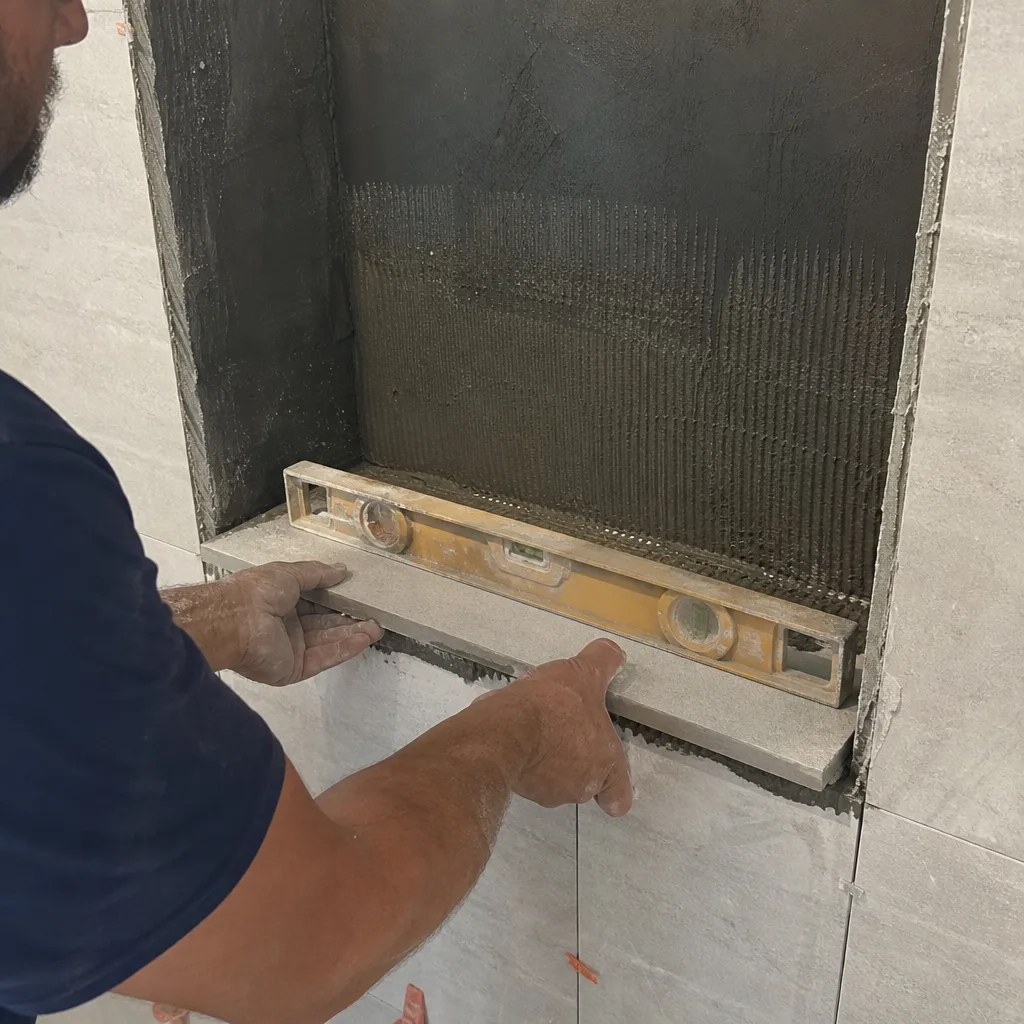
Call a licensed contractor when the project involves electrical, plumbing, gas, HVAC, structural modification, roofing, or window/door replacement in HVHZ zones. Call when the permit process exceeds your available time for submission, scheduling, and correction cycles. Call when your homeowner’s insurance policy requires licensed contractor documentation for coverage - which is standard in Florida policies for all regulated trades.
For projects where professional installation is the only legal or prudent path, roofing in Pompano Beach and other trades require contractors who document their work. Rowan Construction Group Pompano Beach offers free estimates in Pompano Beach - call (754) 714-6540. Every estimate includes a written price before any work starts, a written scope, and a documented photo record of existing conditions. Under Clause 1 of the Haven Standard, the number you agree to is the number you pay, with signed change orders required for any modification.
Frequently Asked Questions
DIY demolition saves $1,200-$2,800 on a typical kitchen remodel, but the savings disappear if you damage plumbing, electrical, or structural elements during removal. After the remodel, protect your investment with our kitchen remodeling maintenance checklist for Pompano Beach homeowners. Professional demolition includes utility disconnection, hazardous material testing (lead, asbestos in pre-1978 homes), and debris disposal permitting. In Pompano Beach, where many homes in older neighborhoods like Old Pompano date to the 1950s-1970s, asbestos-containing materials are common in flooring and joint compound. Disturbing these without proper abatement creates liability that exceeds any demolition savings. Call (754) 714-6540 for a line-item quote that separates demolition from build-back - estimates are free.
No. Florida Statute 489.103(7) requires that owner-builder work be performed by the owner personally or by employees working under the owner’s direct supervision. Hiring unlicensed contractors under an owner-builder permit violates the statute, voids the permit, and exposes the homeowner to criminal penalties under Florida Statute 489.127. The “I pulled the permit so it’s legal” misconception is common and expensive.
It depends on whether the installation was performed competently and whether the damage resulted from sudden accidental discharge or from gradual leakage due to installation error. Most policies cover sudden discharge regardless of installer; they exclude damage from gradual leakage caused by faulty workmanship. The distinction is fact-specific and frequently litigated. Professional installation with permit creates a rebuttable presumption of competence; DIY installation does not. For the toilet replacement project in the cost table above, the $800-$1,400 professional premium buys this documentation.
Inspectors identify unpermitted work through multiple channels: utility records showing service modifications, satellite imagery comparison over time, neighbor complaints, and mandatory permit history searches triggered by new permit applications. In Pompano Beach’s active real estate market, listing inspections by buyer agents frequently document unpermitted additions, deck structures, and electrical modifications. The Broward County Property Appraiser’s records, which track square footage and improvement history, provide a baseline for comparison.
Florida Statute 489.103(7)(b) requires disclosure of all owner-builder work to the buyer, including the nature of the work and your role as the contractor. The buyer’s lender will likely require inspection and potential re-permitting of the work. If deficiencies are found, you are responsible for correction costs. In Pompano Beach’s competitive market, this disclosure obligation often forces price reductions or seller credits that exceed any initial DIY savings. The one-year clock runs from final inspection or project completion, whichever is later.
Yes. Rowan Construction Group’s 365-Day Done Right Promise, backed by The Haven Standard, provides written warranty coverage for all trades. If it is not done right, Rowan makes it right - the guarantee is printed on every contract with reference to specific terms, not summarized in a slogan. DIY work carries no warranty, no workmanship guarantee, and no recourse if the work fails. The professional premium includes this risk transfer. Call (754) 714-6540 to review warranty terms for your specific project - estimates are free.
The Bottom Line
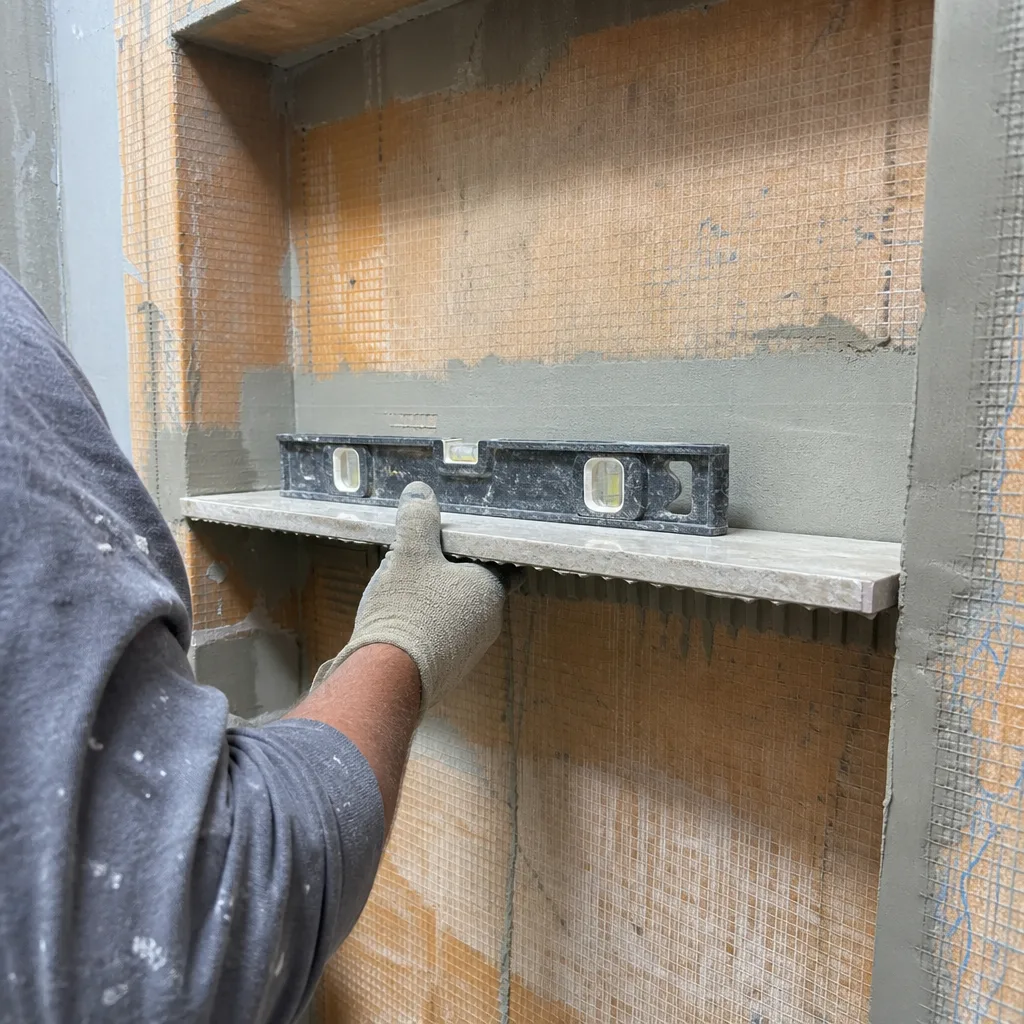
The DIY vs. professional question in Pompano Beach is settled first by law, then by economics, and only last by skill. Florida’s licensed trade requirements and insurance exclusions make DIY illegal or uninsurable for most substantial projects, regardless of competence. Where DIY is permitted, true cost comparison must include labor opportunity cost, tool rental, permit fees, re-inspection risk, and the one-year resale restriction. For three project categories - HVHZ-rated materials, inspection-intensive work, and coastal-zone installations - professional contracting typically costs less than DIY when total lifecycle cost is calculated. The documented record that professional work creates, from permits to warranties, is not available to owner-builders at any price. Explore more guides & resources to make informed decisions about your Pompano Beach home projects.
Written by Grant Rowan, Owner at Rowan Construction Group Pompano Beach, serving Pompano Beach since 2007.