
Last updated September 25, 2026
Free written scope consultation - allowances, timeline, and change-order rules on paper before a single trade is scheduled






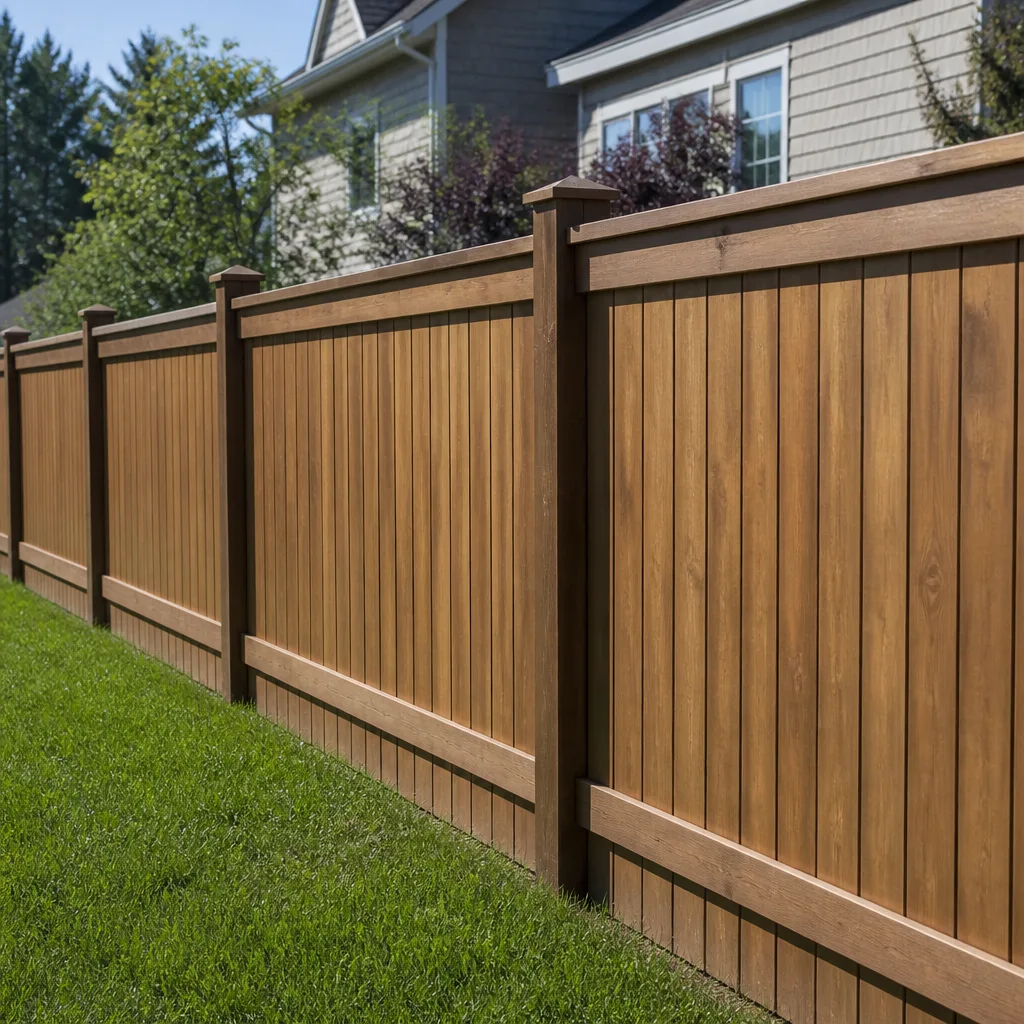
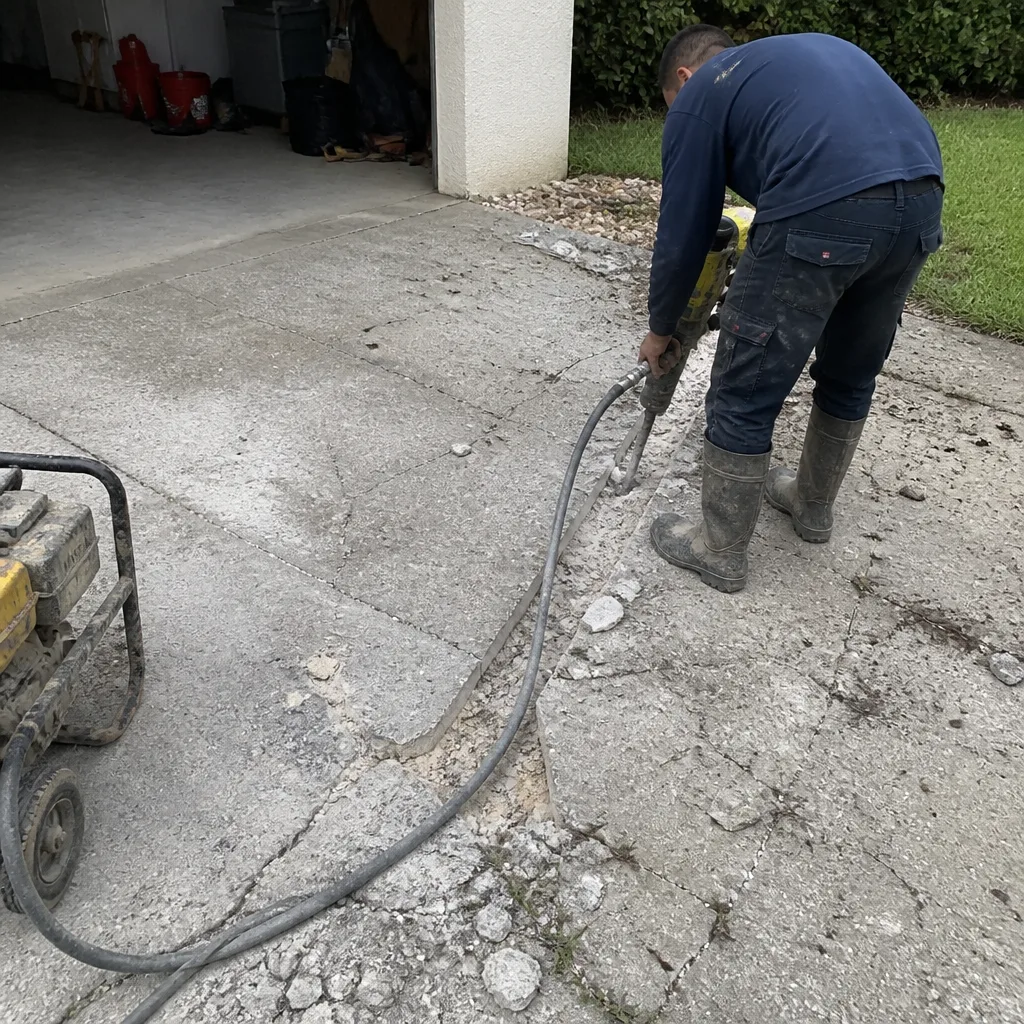 Before
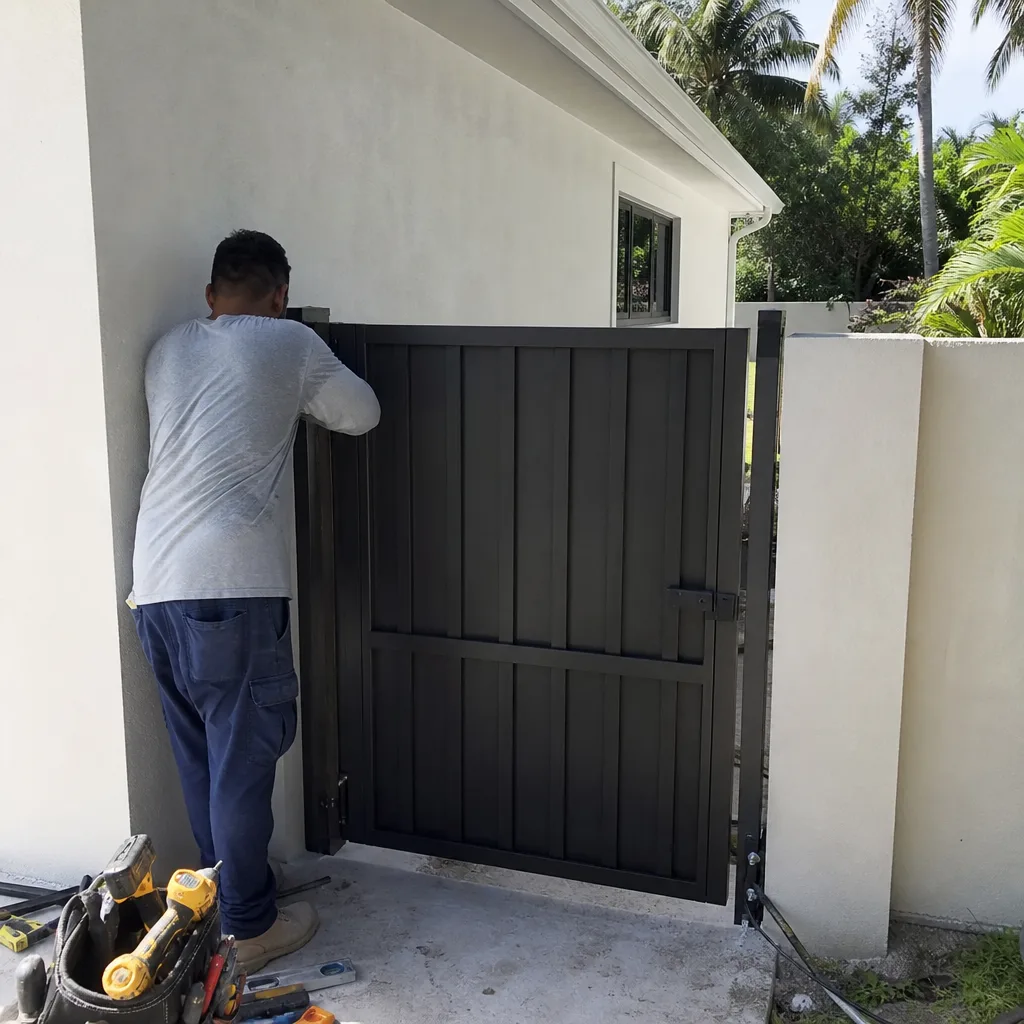 After
After Before
 After
After Before
 After
AfterConstruction Permits, Codes & Inspections in FL: What You Need to Know
The 2023 Florida Building Code, 7th Edition, contains over 800 pages of base requirements. But the amendments Broward County has adopted on top of it add another layer that invalidates several nationally-common construction details, including specific truss-to-wall connection methods that pass code in 47 other states. A homeowner in Pompano Beach who assumes their contractor is working from the same rulebook as one in Tampa or Jacksonville is working from a false assumption. In this guide, we’ll map the three-tier code structure that actually governs residential construction in South Florida, walk through the mandatory inspection sequence with real re-inspection costs, and explain the documents that protect your property value when you sell. For more guides & resources, visit our blog.
Quick Answer
Florida residential construction operates under a three-tier code system: the Florida Building Code sets minimum standards, county amendments add requirements (especially in South Florida), and city zoning overlays control what can be built where. Most projects require a permit, a recorded Notice of Commencement, and a series of inspections that must pass in sequence before work continues. In Pompano Beach and throughout Broward County, failing to account for any tier can trigger stop-work orders, re-inspection fees of $100-$300, and project delays of two to six weeks.
Table of Contents
- The Three-Tier Code System: How Florida Actually Works
- Case Study: How a Window Replacement Permit Flows Through All Three Tiers
- The Mandatory Inspection Sequence and What Failure Costs
- The Notice of Commencement: Your Lien Protection Document
- HVHZ Product Approval: Why Your Materials Need a Florida Number
- Permit Expiration, Extensions, and Resale Risk Under Florida Law
- Common Mistakes to Avoid
- When to Call a Professional
- Frequently Asked Questions
- The Bottom Line
 Before
 After
AfterThe Three-Tier Code System: How Florida Actually Works
Most homeowners understand that building codes exist. Fewer understand that “Florida code” is not a single document but a stacked system where each layer can override the one below it. This matters because a plan set that passes plan review in Orange County can fail in Broward County for reasons that have nothing to do with quality and everything to do with local amendment.
Tier 1: The Florida Building Code (FBC)
The Florida Building Code, currently in its 7th Edition (2023), is the statewide minimum. It covers structural design, fire safety, energy conservation, plumbing, mechanical systems, and electrical work. The FBC adopts and modifies model codes from the International Code Council, then Florida adds its own provisions for wind resistance, flood zones, and coastal construction. Every residential project in Pompano Beach must meet or exceed this base.
Tier 2: County Amendments
Broward County, like Miami-Dade and several other coastal counties, maintains a local amendment package that tightens specific FBC provisions. These are not suggestions; they carry the force of law. Examples include:
- Enhanced fastening schedules for roof sheathing in High-Velocity Hurricane Zones (HVHZ)
- Specific window and door impact-resistance ratings that exceed statewide minimums
- Additional drainage plane and flashing details for exterior walls
- Stricter pool barrier requirements for child safety
In our experience across 4,000-plus projects, the county amendment layer is where most out-of-state contractors stumble. A crew experienced in Georgia or even North Florida may install a window detail that passes the FBC but fails Broward’s amended inspection checklist.
Tier 3: City Zoning and Overlay Ordinances
The third tier is municipal. Pompano Beach maintains its own zoning code, land development regulations, and neighborhood-specific design guidelines. These control setbacks, height limits, lot coverage, historic district requirements, and aesthetic standards. A home addition that complies with FBC structural provisions and Broward County wind-loading amendments can still be denied a Pompano Beach building permit if it violates the city’s floor-area ratio or front setback.
The practical implication: your contractor must verify compliance at all three tiers before submitting a permit application. At Rowan Construction Group, we pull the applicable Pompano Beach zoning chapter and Broward County amendment table for every project, then cross-reference against the FBC base. The written scope we deliver includes this verification as a standard step, not an extra charge.
Case Study: How a Window Replacement Permit Flows Through All Three Tiers
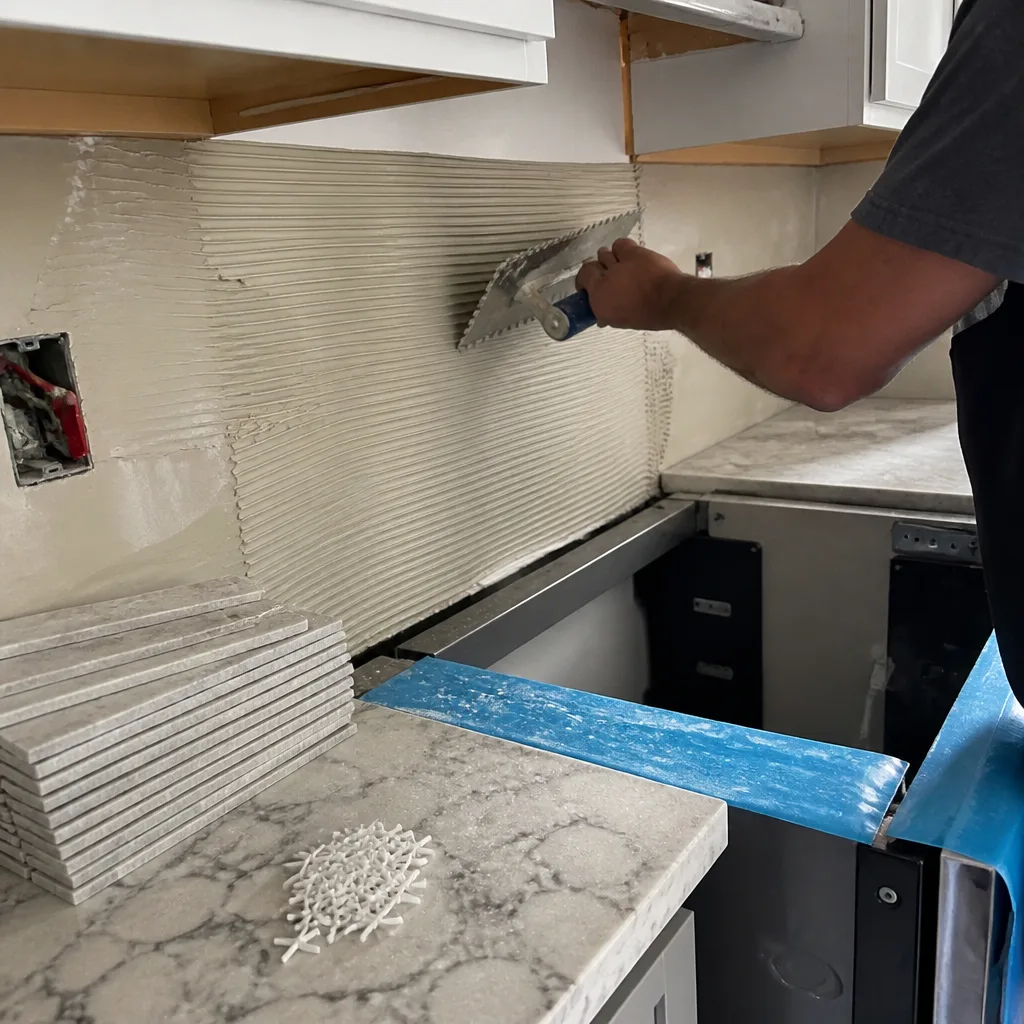
To make the three-tier system concrete, follow a typical window replacement project through permit to final inspection in Pompano Beach.
Step 1: Tier 3 Zoning Verification
The project begins not with engineering but with zoning. Pompano Beach requires that replacement windows maintain the original architectural character in certain neighborhoods, particularly in the Old Pompano and Harbor Village areas. If the home sits in a designated historic district or has a specific overlay, the window style, frame material, and even divided-light pattern may be regulated. We verify this first because a zoning denial stops everything else.
Step 2: Tier 1 FBC Structural and Energy Compliance
With zoning cleared, we move to the Florida Building Code. The new windows must meet:
- Structural loading requirements for wind pressure (ASCE 7-22 criteria adopted by FBC)
- Energy conservation standards, including U-factor and Solar Heat Gain Coefficient (SHGC) limits
- Egress requirements for bedrooms - minimum opening area and sill height
- Fall protection for windows more than 72 inches above exterior grade
Step 3: Tier 2 Broward County HVHZ and Amendment Review
Now the county layer. Broward County sits in a High-Velocity Hurricane Zone, which triggers additional requirements:
- Impact resistance: windows must pass large-missile impact testing (ASTM E1996) or be protected by approved shutters
- Pressure ratings: the design pressure (DP) rating must match or exceed the specific wind zone calculation for the Pompano Beach address
- Installation method: the county amendment specifies fastening patterns, sealant types, and flashing integration that differ from FBC base details
Step 4: Permit Application and Plan Review
With all three tiers verified, we submit to Pompano Beach Building Services. The application includes:
- Completed permit application with property owner signature
- Window schedule showing manufacturer, model, dimensions, and Florida Product Approval number for each unit
- Installation details referencing the specific Broward County amended fastening and flashing requirements
- Energy compliance form demonstrating U-factor and SHGC meet or exceed code
- Notice of Commencement (recorded with Broward County Clerk - covered in the next section)
Step 5: Inspection Sequence
After permit issuance, inspections occur in order: rough opening verification (before window installation), installation inspection (with the inspector present to witness fastening and flashing), and final inspection (with all trim, sealant, and interior finish complete). Each inspection must pass before the next proceeds. A failed installation inspection - say, for insufficient fastening into the structural frame - requires correction and re-inspection, typically adding $150 in re-inspection fees and one to two weeks to the schedule.
This is why we photograph every rough opening before the window arrives, every fastener pattern during installation, and every completed flashing detail before trim covers it. The customer receives this photo record as standard documentation, included in every project under our documented photo record protocol.
The Mandatory Inspection Sequence and What Failure Costs
Florida Statute 553.79 and the Florida Building Code mandate a specific inspection sequence for residential construction. The inspector has authority to stop work if inspections are skipped or if a stage fails and work proceeds anyway. Understanding this sequence helps homeowners anticipate timeline and budget risk.
The Standard Sequence for Major Projects
- Foundation inspection: For new construction, additions, and some substantial remodels. Verifies footing depth, reinforcement placement, and concrete strength. In Pompano Beach’s coastal soils with high water tables, this often includes verification of vapor barrier placement and drainage layer details.
- Framing inspection: Verifies structural member sizes, spacing, connections, and anchorage to foundation. In Broward County, this includes truss-to-wall connections that differ from national standard details.
- Rough MEP inspection: Mechanical, electrical, and plumbing systems are inspected before walls are closed. This is the most common failure point because three trades intersect, and any deficiency in one can block the others.
- Insulation inspection: Verifies type, R-value, and installation quality before drywall covers it. Florida’s energy code is strict on continuous insulation and thermal bridging.
- Final inspection: The comprehensive review with all finishes complete, all systems operational, and all code-compliant documentation on file.
What Failure Costs at Each Stage
Re-inspection fees vary by municipality, but Pompano Beach and surrounding Broward County cities follow a consistent structure:
- First re-inspection: $100-$150
- Second re-inspection for same deficiency: $150-$300
- Third re-inspection or failure to correct within specified timeframe: permit suspension, requiring formal correction plan and additional plan review fees ($200-$500)
The harder cost is schedule. A failed rough MEP inspection typically delays drywall by one to two weeks. A failed framing inspection can delay everything downstream by three to four weeks, especially if the correction requires engineering review of a revised connection detail.
In our 4,000-plus projects since 2007, we’ve learned that most inspection failures are predictable and preventable. The crews we send to Pompano Beach homes have passed Broward County’s specific inspection protocols before; they know the inspector will check for the amended fastening schedule, not the national detail. This is part of why we maintain the documented photo record - it catches discrepancies before the inspector does, when correction costs hours instead of weeks.
For kitchen remodeling in Pompano Beach, the rough MEP inspection is particularly critical because appliance circuits, gas lines, and ventilation ducts must all be verified before cabinets and finishes close the walls. Similarly, bathroom remodeling in Pompano Beach requires careful plumbing rough-in coordination with waterproofing details that Broward County inspects with specific flood-zone awareness.
The Notice of Commencement: Your Lien Protection Document
The Notice of Commencement (NOC) is the most overlooked document in Florida residential construction. It is also the document that separates homeowners who sell without complication from those who discover a clouded title at closing.
What It Is
The NOC is a legal notice recorded with the county clerk that officially begins a construction project. It identifies the property owner, the contractor, the lender (if any), the project description, and the estimated value. Under Florida Statute 713.13, the NOC must be recorded before the first inspection or within 90 days of the first work on the project, whichever is earlier.
Why It Matters for Lien Protection
Florida’s construction lien law operates in a specific sequence. Subcontractors and suppliers who are not paid by the general contractor can file a lien against the property - but their right to do so is tied to the NOC. A properly recorded NOC triggers the requirement for these parties to serve a Notice to Owner within 45 days of first furnishing labor or materials. This gives the property owner early warning of potential claims.
Without a recorded NOC, the legal timeline blurs. Subcontractors may have extended periods to file claims. More critically, a missing or defective NOC can make it difficult to obtain a clear title commitment when you sell, even years later. Title insurers routinely search construction records; an unrecorded NOC for a 2019 kitchen remodel can delay a 2027 sale.
The Broward County Specifics
In Broward County, the NOC is recorded with the Broward County Clerk of Courts, Recording Division. The recording fee is approximately $10 per page plus a $1 indexing fee. The document must include:
- Legal description of the property (from the deed, not the street address)
- Property owner’s name and address
- Contractor’s name, address, and state license number
- Lender name and address, or a statement that there is no construction lender
- General description of the improvement
- Estimated cost
- Project start date
At Rowan Construction Group, we prepare the NOC as part of our standard pre-construction documentation. We record it before the first inspection, provide the homeowner with the recorded instrument number, and include a copy in the project file that the customer receives at completion. This is not an upgrade; it is standard under our documented record protocol.
For roofing in Pompano Beach, the NOC is particularly important because roofing projects involve multiple material suppliers (shingle manufacturers, underlayment distributors, fastener suppliers) any of whom could file a claim if payment breaks down upstream. The NOC triggers their notice requirements and protects the homeowner.
HVHZ Product Approval: Why Your Materials Need a Florida Number
High-Velocity Hurricane Zone product approval is the technical gate that keeps non-compliant materials out of South Florida construction. It is also the reason a contractor cannot substitute a “comparable” product mid-project without triggering a stop-work order.
The Florida Product Approval System
The Florida Building Commission maintains the Florida Product Approval database. Products that pass testing for use in HVHZ regions receive a Florida Product Approval number, formatted as FL [number] or similar depending on the approval path. This number is not a marketing claim; it is a legal prerequisite for installation in Broward County and Miami-Dade.
The approval process tests for:
- Wind-borne debris impact resistance (large missile and small missile, depending on height)
- Cyclic wind pressure loading
- Water infiltration resistance
- Structural adequacy under combined loading
How to Read an Approval Number
A typical Florida Product Approval number includes encoded information about the product category, the testing laboratory, and the specific product configuration approved. For windows and doors, the approval will specify:
- Maximum design pressure (DP) rating
- Approved sizes and configurations
- Required installation method (which must match the submitted plan)
- Any restrictions on use or location
The critical point: the approval is for the exact product tested. A window from the same manufacturer with a slightly different frame depth, a different glazing option, or a different fastening pattern does not inherit the approval. It needs its own.
Why Substitution Triggers Stop-Work
Suppose a project is permitted with a specific impact window carrying Florida Product Approval FL12345. Mid-project, supply chain issues make that window unavailable. The contractor proposes a “similar” window from another manufacturer with comparable specifications.
Without a formal product substitution request, approved plan revision, and verification that the substitute carries its own Florida Product Approval for the exact configuration being installed, work must stop. The inspector will red-tag the project if the installed product does not match the approved plan. Re-starting requires:
- Submission of the substitute product’s Florida Product Approval documentation
- Plan revision showing the substitute in the specific locations
- Plan review fee for the revision ($150-$400 in Pompano Beach)
- Re-inspection after approval, with possible removal of installed product if inspection occurred before substitution was approved
This is why our written quotes specify manufacturer and model, and why Clause 1 of the Haven Standard requires that no substitution occurs without a signed change order. The customer sees the exact product they’re buying, and any change is documented before it happens. We’ve seen projects where an undocumented substitution cost the homeowner $8,000 in removed materials, revision fees, and schedule delay. The signed change order discipline prevents this.
Brands we regularly specify with verified Florida Product Approval include Quikrete for masonry and concrete applications where structural grout or repair materials require approval documentation, and Sakrete for specific packaged concrete products used in foundation and paver base work. For Rowan Construction Group Pompano Beach home projects, we verify approval status before any material appears on site.
Permit Expiration, Extensions, and Resale Risk Under Florida Law
Florida Statute 553.79 establishes a hard rule: building permits expire if work is not “diligently prosecuted” within 180 days of issuance. This is not a suggestion; it is a statutory cutoff with specific consequences for work completed, inspections passed, and property resale.
The 180-Day Rule
“Diligently prosecuted” is interpreted by most Florida building departments as visible progress with at least one inspection requested or passed within each 180-day window. A permit issued in January with no inspection activity by July expires automatically. The building department may send a notice, but statutory expiration does not require notice.
Extensions: Before vs. After Expiration
The distinction matters for cost and process:
- Before expiration: The permit holder (typically the contractor) submits an extension request with cause. Pompano Beach charges approximately $100 for a six-month extension. Approved extensions maintain the original permit number and inspection record.
- After expiration: The permit is void. A new permit application is required, with full plan review fees, new NOC recording, and in some cases updated code compliance because the new permit is issued under current code editions. If code changed during the lapse, previously compliant details may need revision.
Resale Risk: Work Under Expired Permits
This is where homeowners discover problems years later. Work completed under an expired permit is, legally, unpermitted work. At resale, the title company or buyer’s inspector will request permit history. An expired permit with no final inspection raises immediate flags:
- The work may not have passed final inspection, meaning code compliance is unverified
- Insurance companies may refuse to bind coverage until the work is permitted and inspected
- Buyers may demand escrow holdbacks ($5,000-$20,000) pending permit resolution
- In extreme cases, the municipality can require removal of finishes to inspect concealed work
In Pompano Beach’s active resale market, we’ve seen deals delayed or derailed by expired permits from projects completed five to ten years prior. The homeowner assumed the contractor “handled everything” and never verified final inspection completion.
Our protocol: we track every permit’s 180-day window in our project management system, request extensions proactively when schedules slip, and provide the homeowner with a final inspection approval certificate and completed permit history at project close. This documentation goes in the same file as the photo record and the signed change orders - the complete project record that protects value at resale.
For home additions and ADUs, where construction timelines often extend 12-18 months, permit expiration management is particularly critical. These projects span multiple 180-day windows and require disciplined inspection scheduling to maintain permit validity.
Common Mistakes to Avoid
- Assuming the contractor handles all permits and inspections. Verify in writing. Under Florida law, the property owner is ultimately responsible for permit compliance. Request the permit number, check inspection status online, and confirm final inspection before final payment.
- Starting work before the NOC is recorded. In Broward County, this exposes you to extended lien risk and can invalidate the contractor’s ability to proceed with inspections. Confirm recording with a Broward County Clerk instrument number.
- Accepting “comparable” product substitutions without documentation. In HVHZ regions, there is no such thing as an informal equivalent. Every product needs its own Florida Product Approval, and every substitution needs a plan revision. Demand the approval number in writing.
- Skipping the zoning check for “simple” projects. A window replacement in Pompano Beach’s Harbor Village historic overlay can require architectural review that adds four to six weeks. Your contractor should verify zoning before quoting a timeline.
- Paying in full before final inspection passes. Florida’s construction lien law and practical project management both argue for retaining final payment until the certificate of completion or final inspection approval is in hand. We structure payment schedules with this milestone built in.
- Ignoring permit expiration on long projects. If your project spans more than six months, confirm your contractor has a system to track 180-day windows and request extensions. Ask for proof.
- Failing to obtain the final documentation packet. At project completion, you should receive: final inspection approval, permit completion record, photo documentation of work, and all product warranties. This packet is your defense at resale.
When to Call a Professional
Call a licensed contractor when your project involves structural modification, new MEP systems, exterior envelope work in HVHZ regions, or any work requiring a building permit - our How to Hire a Construction Contractor in Pompano Beach: A Step-by-Step Guide can help you choose wisely. The three-tier Florida system is navigable, but the cost of error - stop-work orders, re-inspection fees, lien exposure, and resale complications - exceeds the cost of professional handling in nearly every case.
Specifically, seek professional help when: the project requires plan submission and review; you’re in a flood zone or coastal high-hazard area with additional elevation and materials requirements; your home is in a historic district or has a zoning overlay; or you’re considering an addition, ADU, or substantial remodel with multiple inspection stages.
Rowan Construction Group Pompano Beach offers free estimates in Pompano Beach - call (754) 714-6540. Under Clause 1 of the Haven Standard, you’ll receive a written price with a written scope before any work starts, every time. We also offer a Free Second Opinion on any written estimate: bring a competitor’s quote and we’ll review it line by line at no charge.
Frequently Asked Questions
Permit fees in Pompano Beach are calculated based on project valuation, with a base fee plus additional charges for plan review, inspections, and specific trade permits. A typical kitchen or bathroom remodel permit runs $400-$800; a home addition or ADU permit can range $1,200-$3,500 depending on square footage and structural complexity. Call (754) 714-6540 for an exact quote on your specific project - estimates are free.
Yes. Window replacement in Pompano Beach requires a building permit because Broward County’s HVHZ amendments mandate impact-rated products and specific installation methods that must be inspected. The permit application must include Florida Product Approval numbers for each window unit. A homeowner who installs non-approved windows without a permit risks stop-work orders, required removal, and insurance coverage issues.
The inspector issues a correction notice specifying the deficiency. Work cannot proceed beyond that inspection stage until corrections are made and a re-inspection is requested. Re-inspection fees in Pompano Beach are typically $100-$150 for the first re-inspection, with higher fees for repeated failures. Schedule delay depends on inspector availability, usually one to two weeks. Call (754) 714-6540 to discuss how our documented photo record protocol catches most issues before the inspector arrives.
Building permits expire after 180 days of inactivity under Florida Statute 553.79. “Inactivity” means no inspection requested or passed. Extensions are available before expiration for approximately $100 per six months in Pompano Beach. After expiration, a new permit application is required with full fees and potentially updated code compliance. Track your permit’s status or ask your contractor for proof of active status.
A Notice of Commencement is a legal document recorded with the Broward County Clerk that officially begins your construction project and triggers lien notice requirements for subcontractors. Yes, you need one for any project with a contract value over $2,500 in Florida. Without it, you lose early warning of potential lien claims and may face title issues at resale. Rowan Construction Group prepares and records the NOC as standard practice before the first inspection.
No. “Hurricane rated” is marketing language, not a legal standard for Broward County installation. Windows must carry a specific Florida Product Approval number for the exact configuration being installed, and the approval must cover the design pressure calculated for your specific Pompano Beach address. A window rated for Orlando’s wind zone may not qualify for Pompano Beach’s HVHZ requirements. Always verify the Florida Product Approval number matches your permit application.
Yes, frequently. Title insurers and buyer inspectors check permit history. Unpermitted work or work under an expired permit without final inspection can trigger insurance binding issues, buyer demands for escrow holdbacks, or municipal orders to expose and inspect concealed work. The cost to remediate typically exceeds the original permit fee by ten to fifty times. Maintain your permit documentation and verify final inspection before paying in full.
The Bottom Line
Florida’s construction permit system rewards preparation and punishes assumption. The three-tier structure - Florida Building Code base, Broward County amendments, and Pompano Beach zoning overlays - means compliance is local, specific, and verifiable. The mandatory inspection sequence protects homeowners from concealed defects but requires disciplined scheduling to avoid costly re-inspections. The Notice of Commencement and Florida Product Approval requirements are legal protections, not bureaucratic obstacles. And permit expiration under Florida Statute 553.79 creates long-tail liability for homeowners who don’t track their documentation.
The contractors who thrive in this system are those who document everything: the zoning verification, the product approval numbers, the inspection schedule, the photo record, the signed change orders. Since 2007, Rowan Construction Group has delivered 4,000-plus projects with this discipline, finishing within a few percent of the written price the customer agreed to. That’s not enthusiasm. That’s a documented record.
Call (754) 714-6540 to schedule your free estimate. Bring a competitor’s written quote and we’ll review it line by line at no charge - our Free Second Opinion is a standing offer. Under Clause 1 of the Haven Standard, your price will be in writing before anyone picks up a tool.
Written by Grant Rowan, Owner at Rowan Construction Group Pompano Beach, serving Pompano Beach since 2007.