
Free written scope consultation - allowances, timeline, and change-order rules on paper before a single trade is scheduled
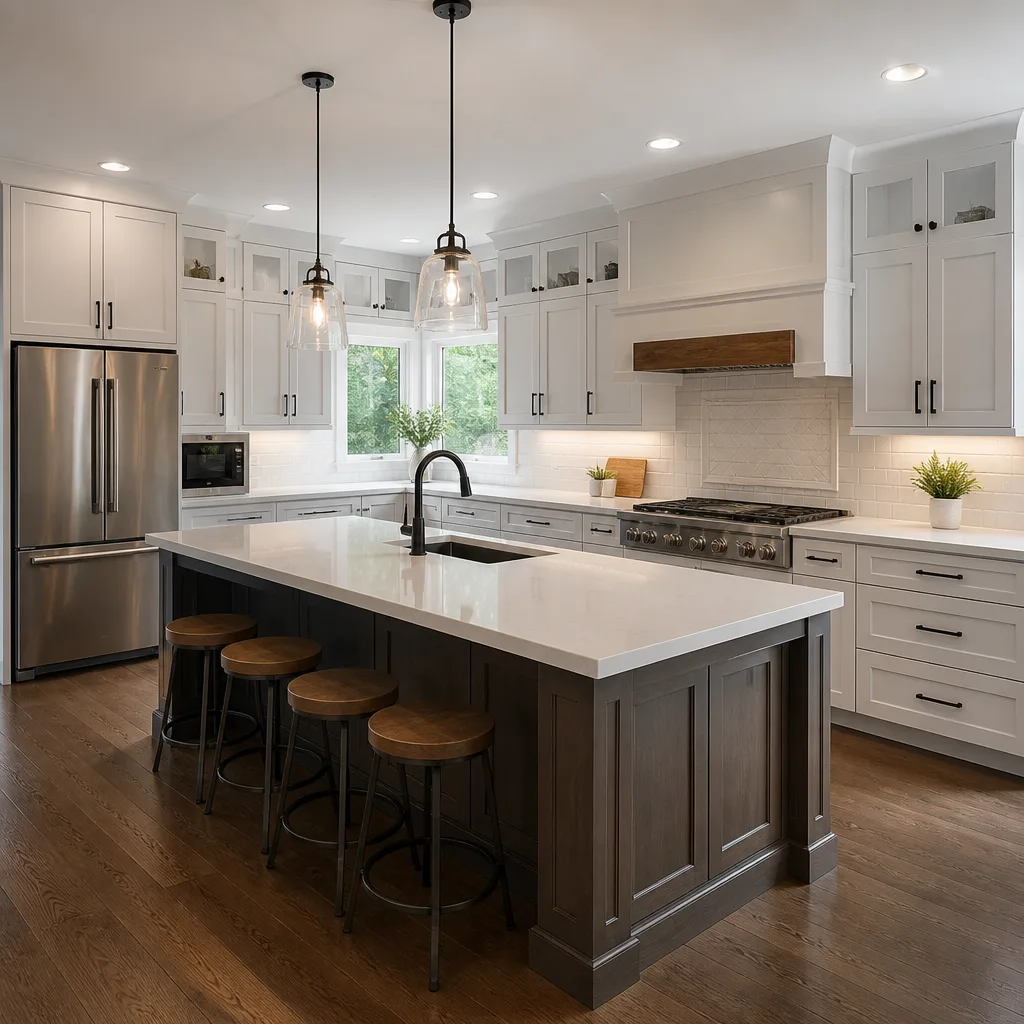
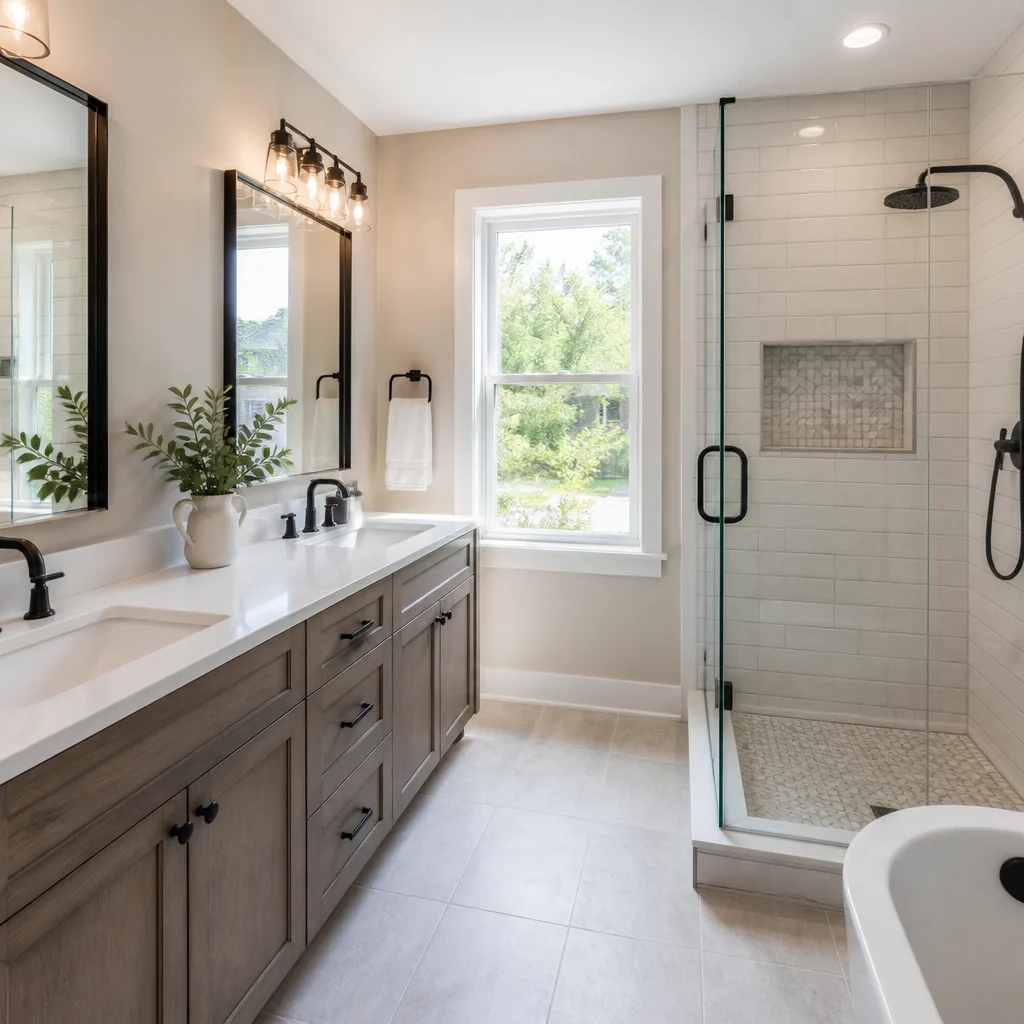
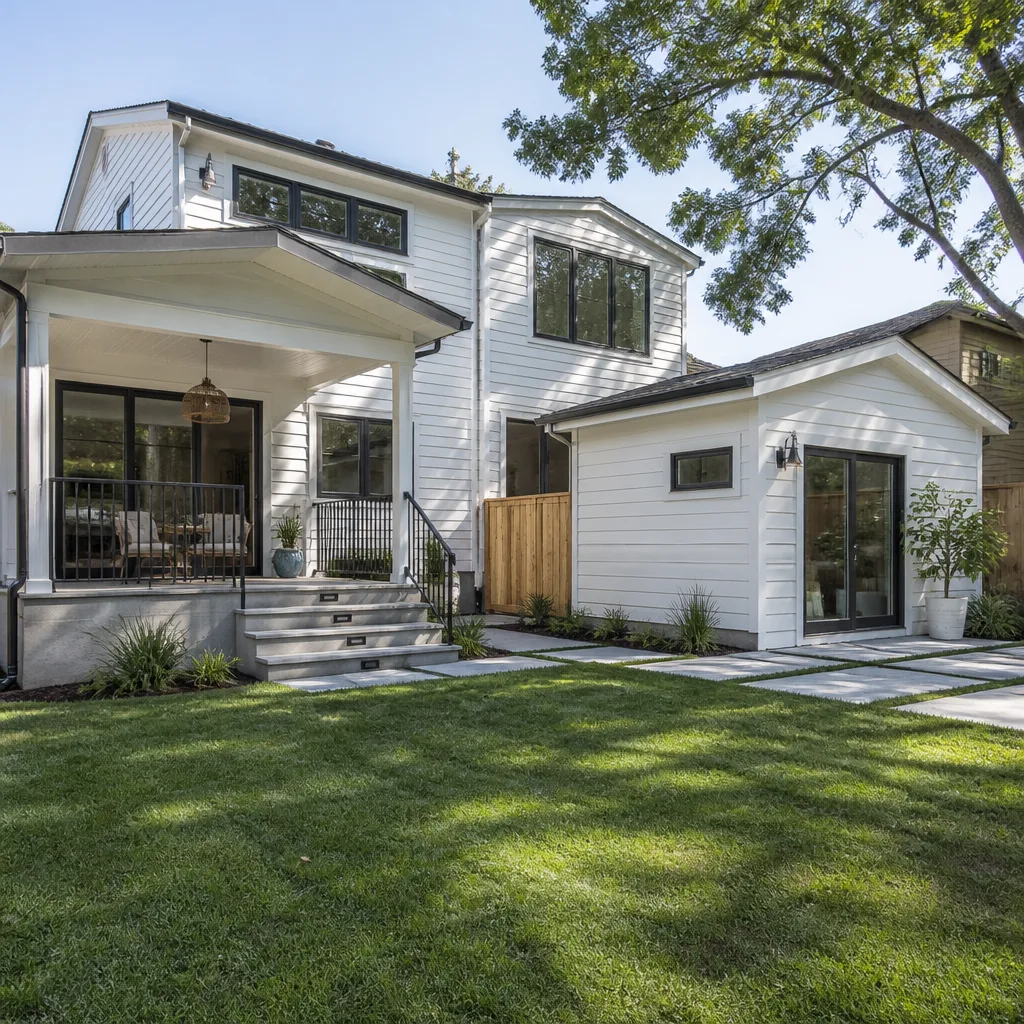
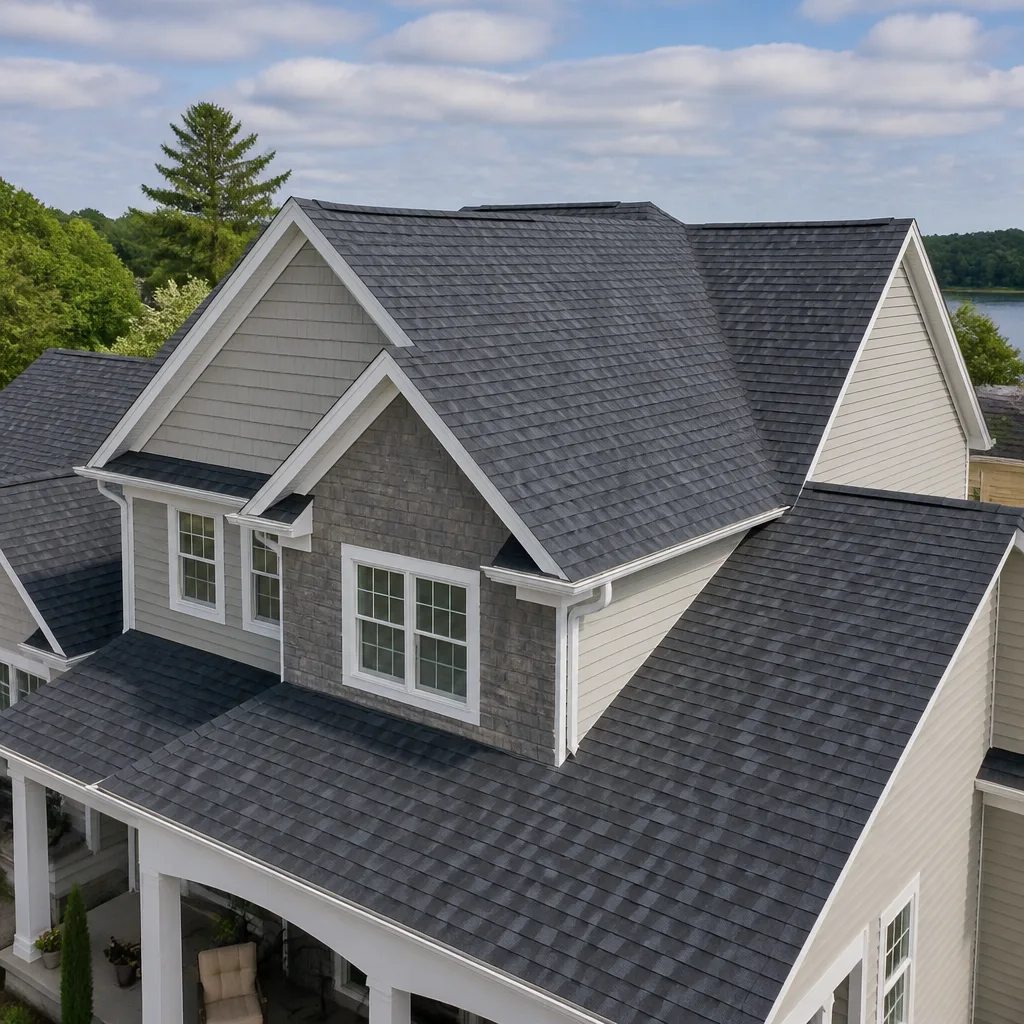
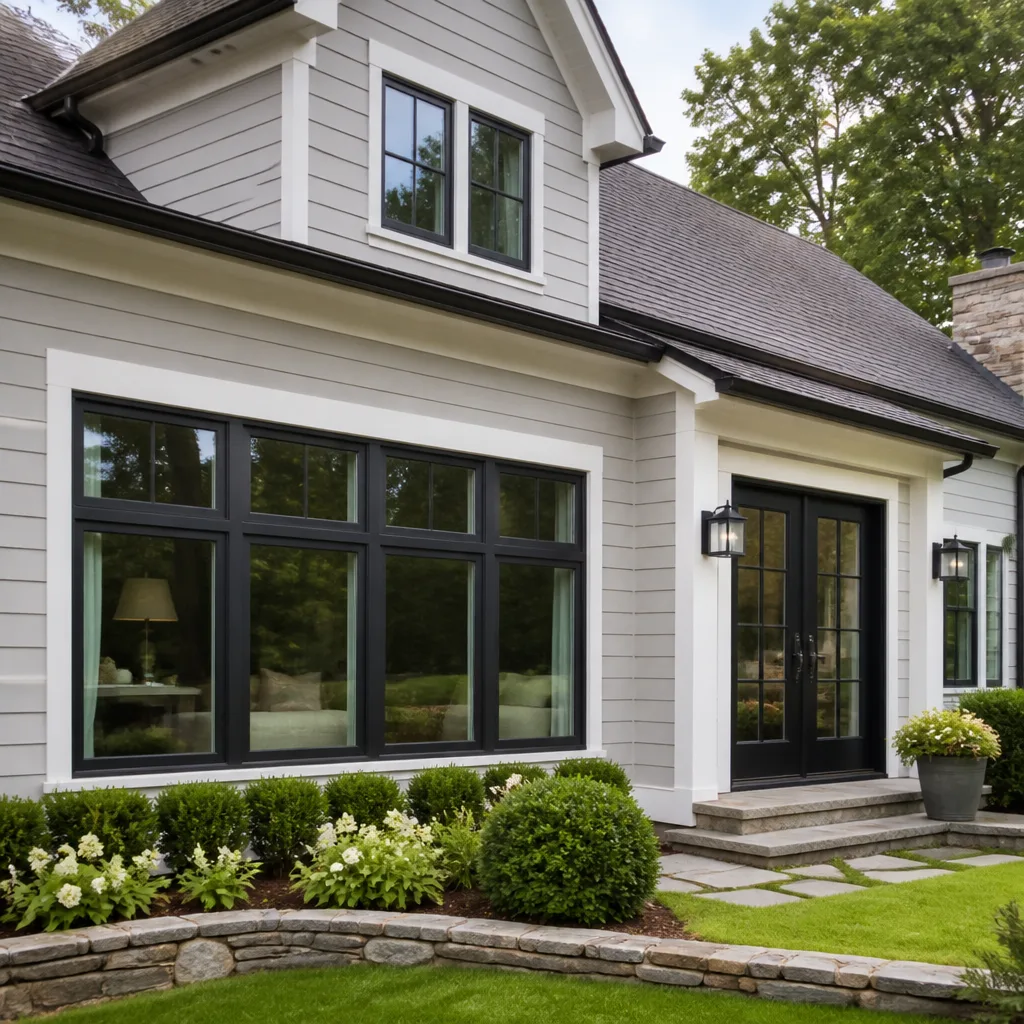
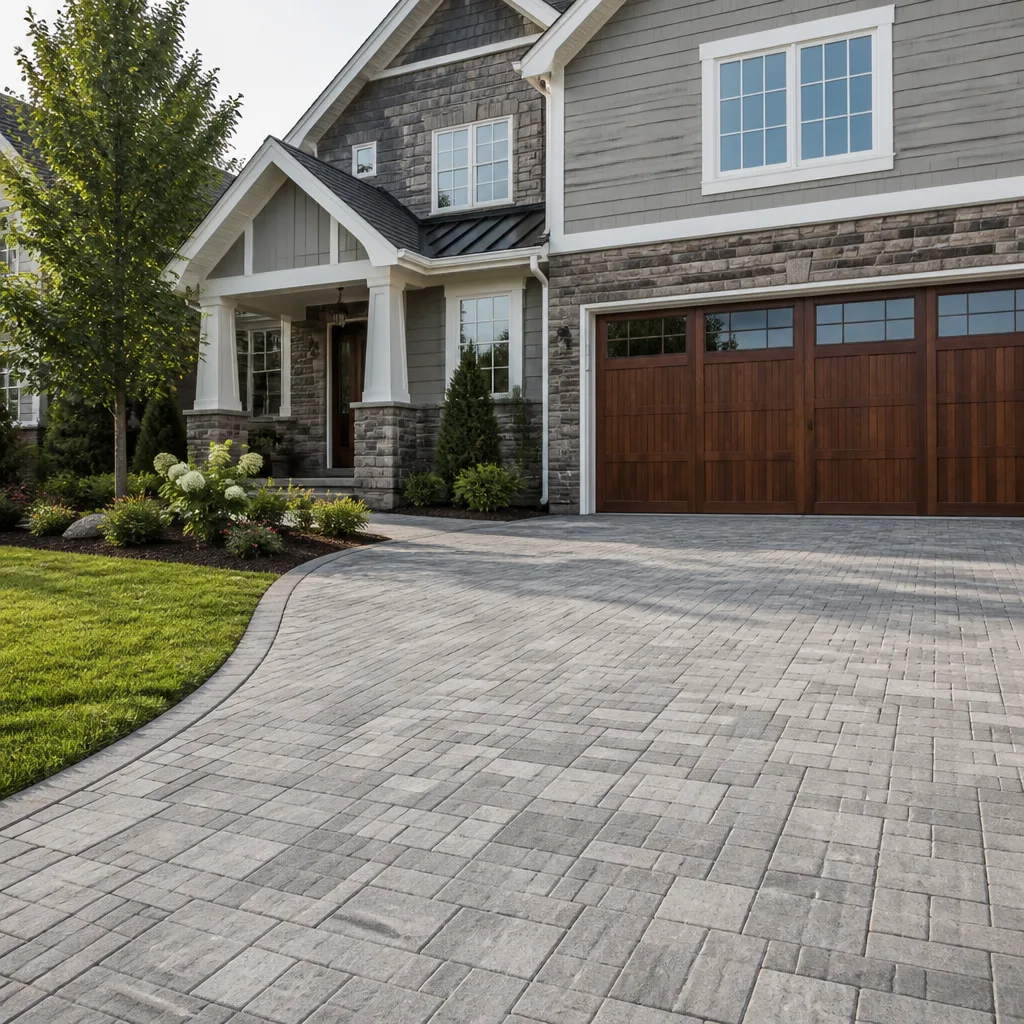
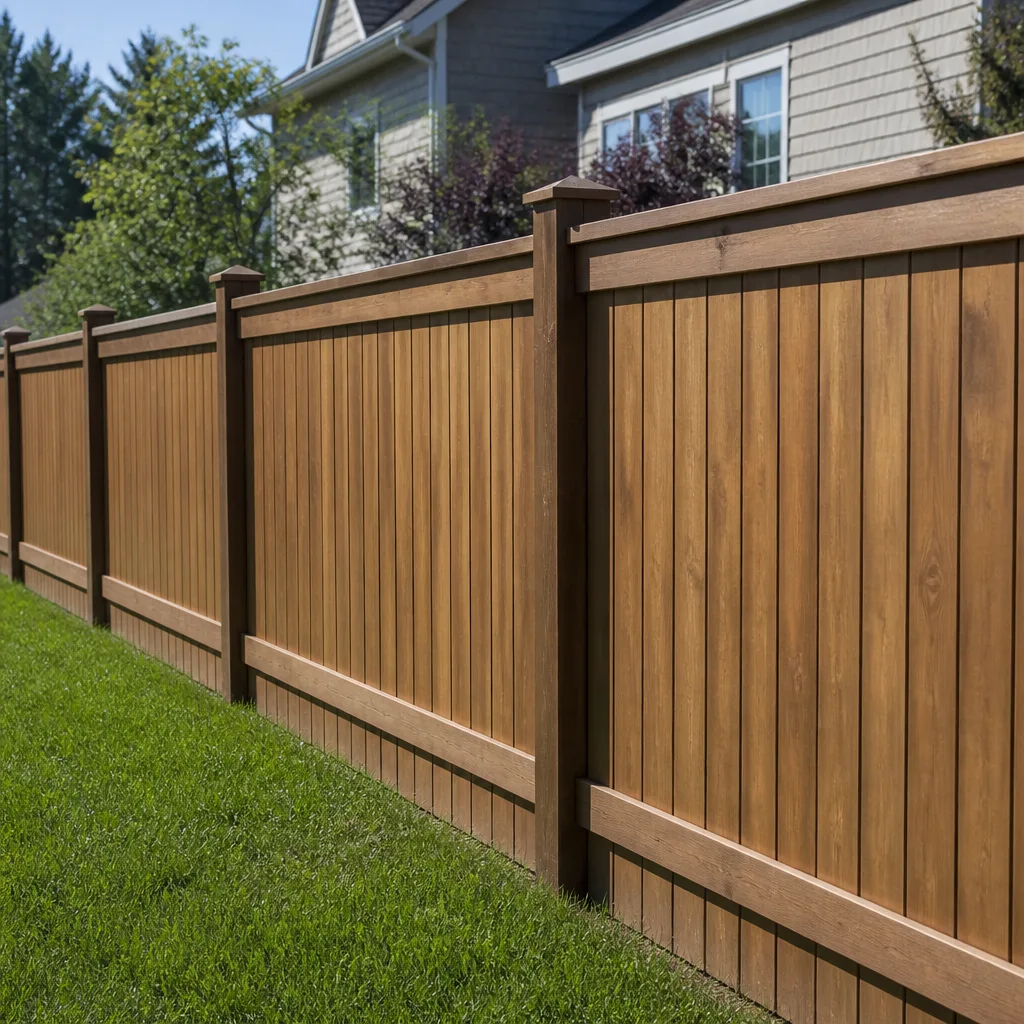
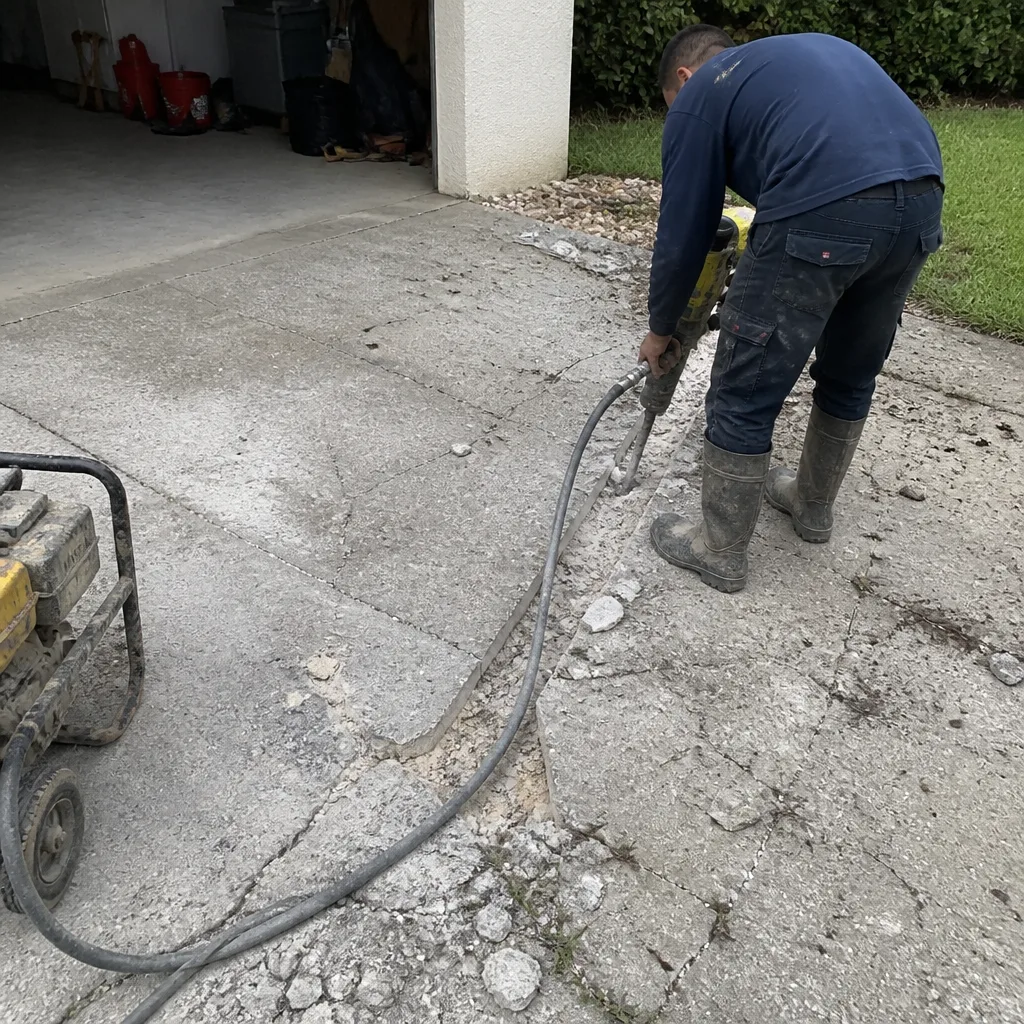 Before
 After
After Before
 After
After Before
 After
AfterCambria Home Additions & ADU: The Pompano Beach Owner’s Guide
A Cambria home addition or ADU in Pompano Beach typically runs $45,000-$130,000 for a standard addition and $90,000-$220,000 for a detached ADU, with most projects quoted in writing within 48 hours of site visit. We stock and install Cambria-compatible structural and finish systems across our home addition and ADU work, including the quartz surfaces, cabinetry interfaces, and moisture-barrier assemblies that integrate with Cambria’s specified dimensions. Most Pompano Beach homeowners first notice trouble when their addition’s interior finishes show stress cracks near Cambria countertop seams, or when humidity-driven expansion in the subfloor throws the quartz out of level - symptoms that usually trace back to how the original builder sequenced the structural shell against the finish package.
Which Cambria Models This Applies To
Cambria’s product lines for residential additions and ADUs break into two categories that matter for parts compatibility: the standard slab program (1.2 cm and 2 cm thicknesses, typically 55.5″ × 120″ or jumbo 65.5″ × 132″) and the newer Cambria Thick format (3 cm, used for waterfall islands and built-in seating in open-plan additions). The label you’re looking for is etched on the underside edge of the slab - a 9-digit batch code starting with the year of manufacture, plus the color name in Cambria’s naming convention (Brittanicca, Torquay, etc.).
The OEM-versus-aftermarket question for Cambria is straightforward: Cambria does not license third-party quartz fabrication, so any “compatible” surface claiming to match their spec is actually a different material (often lower silica content, different resin system). We source direct from Cambria’s Florida distribution in Tampa and fabricate in-house to their seam-placement guidelines, which matters because Cambria’s warranty - 25 years residential - requires installation by a certified fabricator using their specified adhesives and support brackets. For the structural parts (subfloor moisture barriers, wall framing for quartz-backed splashes, cabinet carcasses rated for 2 cm overhang), we use KraftMaid or Wellborn boxes with the upgraded plywood back panel, not particleboard, because Pompano Beach’s humidity cycling will delaminate the cheaper stuff inside three years.
Signs Your Cambria Home Additions & ADU Is Failing
- Visible seam separation or lifting at countertop joints. Cambria’s epoxy seam adhesive degrades when the substrate beneath it moves; in Pompano Beach, this usually means the plywood subfloor absorbed moisture during our summer wet season and swelled, breaking the adhesive bond. The quartz itself is fine - the failure is in the structure below it.
- Hairline cracks radiating from sink or cooktop cutouts. These cutouts are stress concentrators. If the original installer used a standard rather than reinforced rim support, thermal expansion from a gas cooktop or the weight of a cast-iron sink will eventually fatigue the quartz. We’ve replaced three of these in the past two years along the older blocks near Pompano Beach’s historic Old Town district, where 1950s additions got modern finishes on original framing.
- Soft or bouncy flooring in the addition, with quartz surfaces out of level. The TJI or open-web floor trusses common in ADU construction have a deflection limit of L/480 for stone surfaces; standard residential framing is L/360, which is not stiff enough. The quartz doesn’t flex, so it telegraphs every bounce into seam stress or, in one case we saw on NE 5th Street, a full crack across a 10-foot island.
- White haze or etching that won’t clean off. True Cambria is non-porous and doesn’t etch; if you’re seeing surface damage, it’s either a different material sold as Cambria (happens with unlicensed fabricators) or chemical damage from an incompatible cleaner on the epoxy seam. We’ve tested this - acetone-based cleaners will cloud Cambria’s resin surface in under 30 seconds of contact.
- Cabinet doors that bind or won’t close after the wet season. This isn’t the cabinets, it’s the floor plate. When the addition’s slab or pier foundation settles unevenly in Pompano Beach’s sandy, well-draining soils, the cabinet box torques and the doors go out of square. The fix is leveling the structure, not adjusting the hinges - otherwise you’re chasing the symptom every six months.
 Before
 After
AfterReplacement Cost & What’s Included
For a Cambria-integrated home addition or ADU in Pompano Beach, here’s how the numbers break:
| Component | Price Range |
|---|---|
| Full home addition (shell to finish, Cambria surfaces included) | $45,000 - $130,000 |
| Detached ADU construction (including kitchen/bath package with Cambria) | $90,000 - $220,000 |
| Garage conversion to ADU (Cambria kitchenette + bath) | $30,000 - $80,000 |
| Cambria countertop replacement only (addition kitchen, 40 sq ft) | $2,000 - $6,500 |
| Structural subfloor repair + re-level for quartz (per 100 sq ft) | $3,000 - $8,000 |
The wide range on full additions reflects three variables: whether we’re tying into existing HVAC (or running a separate mini-split), whether the foundation is slab-on-grade or stem wall on piers, and whether the city requires full fire separation for the ADU (rated drywall, separate egress, hardwired smoke - all of which we handle, permits included). Every quote is flat-price, written, with line-item breakdown; under Clause 1 of the Haven Standard, no work starts until you have that number in hand. The 365-Day Done Right Promise covers the installation and Cambria’s own 25-year material warranty runs parallel. Change orders happen - we find rot, we hit a utility - but nothing proceeds without your signature on the revised price, which is why our projects finish within a few percent of the original number.
DIY or Call Us?
Here’s where we’ll draw the line honestly. An owner can safely check three things: the batch code on the Cambria slab edge to confirm it’s genuine, the cabinet level with a 4-foot spirit level, and the foundation perimeter for new cracks or settling. What you should not attempt is subfloor repair under installed quartz (the slab weighs 20 pounds per square foot and requires vacuum lifting equipment), structural re-leveling (jacking a frame addition risks progressive collapse if you don’t know the load path), or any cutting or modification of the quartz itself - silica dust is a genuine respiratory hazard and the material will chip catastrophically with the wrong blade speed.
We’ve been called in after DIY attempts on three Pompano Beach additions in the past eighteen months. In two cases, the homeowner cracked the Cambria trying to remove it for subfloor access; in the third, a well-meaning self-leveling compound pour trapped moisture against the plywood and accelerated rot. Measure twice, say it once, show your work - but know which work is yours and which belongs to the crew with the right tools and the documented photo record. Call (754) 714-6540 and we’ll schedule a site visit, no charge, with a written quote to follow.
FAQs
The Cambria surface itself is rated indefinite with proper care; the structure beneath it is the limiting factor. In Pompano Beach’s salt-air, high-humidity environment, we expect 15-20 years from standard plywood subflooring in an addition before moisture cycling degrades it, and 25-plus from pressure-treated framing if the envelope stays intact. We specify marine-grade plywood and full membrane waterproofing in our ADU builds to push that number higher. Call (754) 714-6540 for an exact quote on your project - estimates are free.
Subfloor movement and cabinet torque can sometimes be corrected without full quartz removal if caught early - we shim and re-fasten from below, through the crawl space or basement. Once the quartz has cracked or the seam has opened, repair is not practical; Cambria does not accept field repairs to their warranty and the visual result is permanent. We’ve done both paths, and we’ll tell you honestly which applies after we see it. Call (754) 714-6540 for a free assessment.
From permit to final inspection, a typical Pompano Beach home addition runs 8-14 weeks, and a detached ADU runs 16-24 weeks. The Cambria fabrication lead time is currently 3-4 weeks from template to install, which we sequence into the trim phase so it doesn’t sit on the critical path. Permits in Broward County average 4-6 weeks for additions, 6-10 weeks for ADUs with separate metering; we pull all permits and schedule inspections as part of the flat price. Call (754) 714-6540 to review your timeline - estimates are free.
We stock the structural and cabinet components (KraftMaid and Wellborn boxes, moisture barriers, fasteners rated for coastal corrosion) and maintain a running inventory of the most-requested Cambria colors from their popular lines - Brittanicca, Torquay, White Cliff, and a few others. Full slabs are ordered to your template; we don’t warehouse 500-pound quartz sheets. For emergency repairs where the slab is intact but the substrate failed, we can often stabilize and protect the surface within 24 hours while the permanent fix is fabricated. Call (754) 714-6540 to check current stock on your color - estimates are free.
Written by Grant Rowan, Owner, Rowan Construction Group Pompano Beach at Rowan Construction Group Pompano Beach, serving Pompano Beach and nearby areas.