
Last updated September 25, 2026
Free written scope consultation - allowances, timeline, and change-order rules on paper before a single trade is scheduled



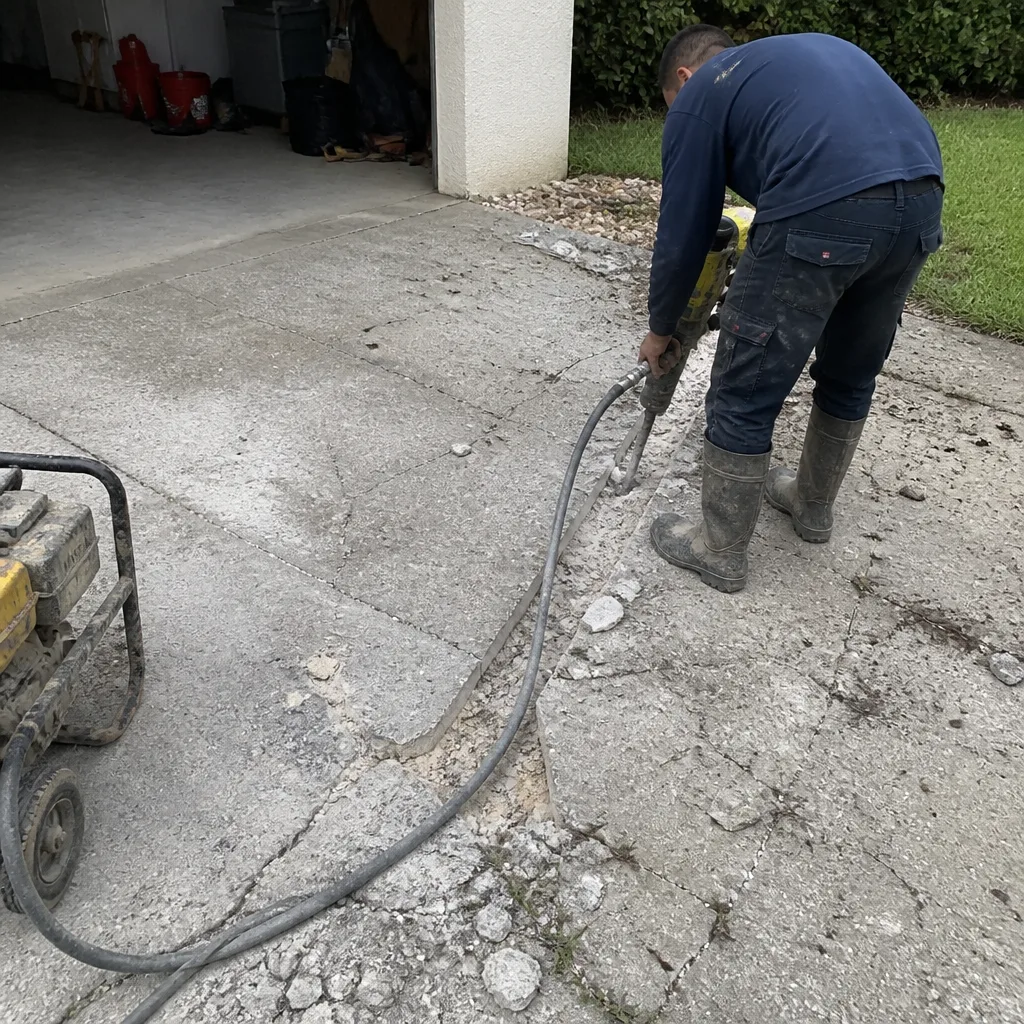 Before
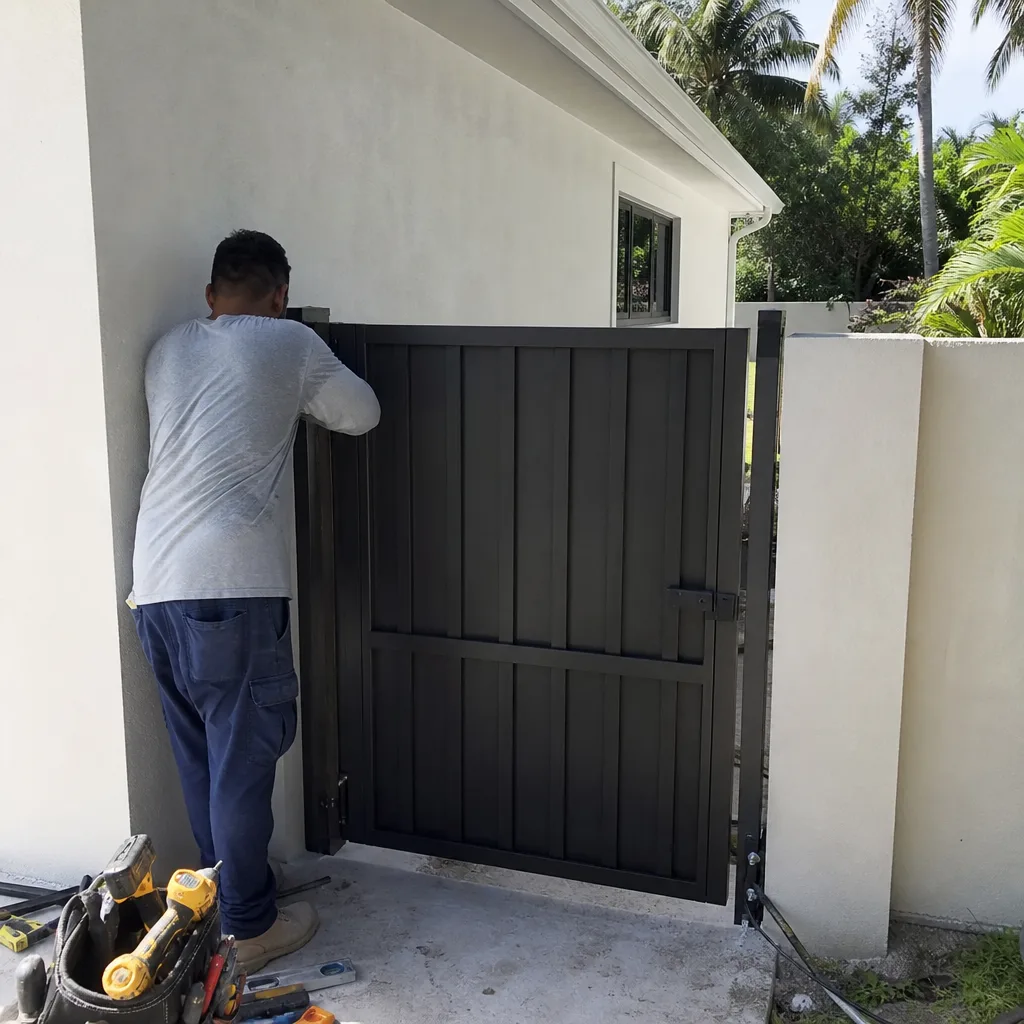 After
After Before
 After
After Before
 After
AfterSeasonal Construction Care for Pompano Beach: Year-Round Homeowner’s Guide
The optimal window for applying elastomeric exterior paint to a Pompano Beach home is January 15 through March 15. Outside that narrow range, dew point and temperature combinations either prevent proper adhesion or accelerate premature chalking, cutting a 10-year rated coating’s lifespan to under six years. Yet most homeowners here treat construction maintenance as a reactive scramble after damage appears, not as a scheduled discipline tied to the region’s actual environmental rhythms. In this guide, we’ll map Pompano Beach’s four functional construction seasons, the specific tasks that belong in each window, and the inspection markers that catch problems before they become four-figure surprises. For more guides & resources, visit our blog.
Quick Answer
Seasonal construction care in Pompano Beach follows four distinct windows: pre-hurricane preparation (April-May), active storm-season monitoring (June-November), post-season inspection and repair (November-December), and the low-humidity coating and caulking season (January-March). For a deeper look at local requirements, see our guide to Construction Permits, Codes & Inspections in FL: What You Need to Know. Each window demands specific tasks, from shutter-permit filings and roof fastener checks to expansion-joint inspection and elastomeric paint application, timed to the region’s hurricane cycle, soil-shrink patterns, and brief January-February coating-cure window.
Table of Contents
- Pre-Hurricane Preparation: April-May
- Active Storm Season: June-November
- Post-Season Inspection and Repair: November-December
- Low-Humidity Coating and Caulking Season: January-March
- Dry-Season Soil Shrink and Foundation Stress
- Salt-Air Exposure Schedule for Exterior Hardware
- Roof Maintenance Timing in South Florida
- Common Mistakes to Avoid
- When to Call a Professional
- Frequently Asked Questions
 Before
 After
AfterPre-Hurricane Preparation: April-May
April in Pompano Beach is the last calm month before the statistical hurricane season opens June 1, making it a key phase in The Complete Guide to Construction in Pompano Beach. The smart window for preparation work is April 1 through May 31, when crews are available, permits process normally, and materials haven’t surged in price.
Shutter and Impact Protection Permits
Broward County maintains specific rules for hurricane protection systems that many Pompano Beach homeowners discover too late. Temporary protection, such as plywood panels installed within 72 hours of a storm watch, does not require a permit. Permanent systems, including accordion shutters, roll-down shutters, and impact-resistant windows and doors, do require permitting and inspection. The lead time for permit approval in Broward County is typically 10-15 business days for residential shutter installations, though this extends to 20-25 days during pre-season rushes in late May.
We recommend filing shutter permits by April 15. Under Clause 1 of the Haven Standard, Rowan Construction Group Pompano Beach delivers a written price for impact window and door installation before any work starts, with the permit cost itemized separately so there is no surprise when the filing fee appears.
Pre-Season Roof and Exterior Checklist
- Fastener inspection on metal panels: Walk the roof perimeter (safely, from a ladder) and look for fastener washers that have lifted or backed out. South Florida’s thermal cycling, 40°F swings between January lows and August highs, loosens fasteners faster than in temperate climates.
- Flashing sealant condition: Check chimney, vent, and valley flashing for cracked or missing sealant. Use a stiff brush to clear debris before inspection; sealant failures hide under leaf litter.
- Gutter and downspout flow test: Run a hose at full volume into each gutter section. In Pompano Beach, gutters clog with oak catkins in April and May, not autumn leaves, and overflow during the first summer downpour.
- Soffit and vent screening: Verify that soffit vents are intact and screened. Missing screens allow wind-driven rain into attic spaces, the leading cause of mold remediation we see in Pompano Beach homes after named storms.
- Expansion joint clearing: On driveways, pool decks, and patios, remove debris from expansion joints and verify sealant depth. We’ll cover why this matters in the dry-season section below.
For homeowners considering roofing in Pompano Beach, April is also the last reliable window for full replacements before storm-season scheduling delays begin.
Active Storm Season: June-November
Storm season in Pompano Beach is not a single event but a six-month condition that changes how a house behaves. The tasks shift from prevention to monitoring, and the goal is to catch damage before the next system compounds it.
What to Check Within 48 Hours of Any Named Storm
After sustained winds above 35 mph or any tropical storm warning, perform this sequence:
- Ground-level perimeter: Walk the property and photograph any new cracks in stucco, displaced pavers, or pooled water that wasn’t there before. This baseline documentation matters for insurance claims and for tracking whether cracks propagate.
- Attic inspection: Look for water staining on rafters, damp insulation, or daylight visible through soffit vents. In Pompano Beach’s humidity, a small leak becomes saturated insulation within 72 hours.
- Gutter and downspout recheck: Confirm that downspouts still discharge at least 6 feet from the foundation. Storm winds displace flexible extensions commonly.
- Window and door seal inspection: Check interior drywall corners beneath windows for bubbling or discoloration. Wind-driven rain penetrates failed weatherstripping without visible exterior damage.
The documented photo record is standard on every Rowan Construction Group visit, not an upgrade. After a storm, this documentation becomes evidence for insurance adjusters and a baseline for tracking whether repairs hold.
Mid-Season Material Availability Reality
From August through October, shingle and tile availability in South Florida constricts. Manufacturers allocate stock to active storm-damage zones first, and lead times for specific colors or profiles extend to 6-8 weeks. If your roof inspection in June reveals wear, the decision to proceed or defer should account for this: a September failure may mean a blue-tarp period measured in weeks, not days.
Post-Season Inspection and Repair: November-December
November 1 marks the statistical end of hurricane season, and the first two weeks of November offer the best combination of available crews, moderate temperatures, and material availability before holiday scheduling interruptions. This is the repair window.
The Post-Storm Inspection Items Others Miss
Most homeowners look for obvious damage: missing shingles, visible leaks, downed fences. The costly failures are subtler:
- Lifted flashing: Wind that doesn’t tear flashing off entirely may lift it 1/4 inch, enough for capillary water entry that won’t show internally for months. Look for gaps between flashing and substrate, or sealant beads that have separated.
- Fastener back-out on metal panels: Check for fastener heads that sit proud of the panel surface. Each proud fastener is a future leak path as the washer degrades.
- Granule accumulation in gutters: Asphalt shingles shed granules under wind stress. Heavy accumulation in gutters, more than 1/4 inch depth, indicates accelerated wear. In Pompano Beach’s UV environment, this means the shingle’s protective layer is thinning faster than rated.
- Stucco hairline crack mapping: Mark new cracks with pencil and date them. Cracks that widen beyond 1/16 inch by February indicate substrate movement, not seasonal shrinkage.
Waiting until visible leaks appear in South Florida’s aggressive rain events is typically a $4,000-$12,000 mistake. By the time water stains drywall, the damage has propagated through sheathing, insulation, and framing. The November repair window exists to catch these failures before the January-February dry season makes them structurally worse.
Permit Considerations for Post-Storm Repairs
Broward County emergency repair provisions allow temporary repairs without permit if they are documented and followed by proper permitting within 30 days. Permanent repairs, including roof section replacement exceeding 25 percent of total area, require full permitting. The 30-day follow-up deadline is strict; missed deadlines convert the repair to a code violation.
Low-Humidity Coating and Caulking Season: January-March
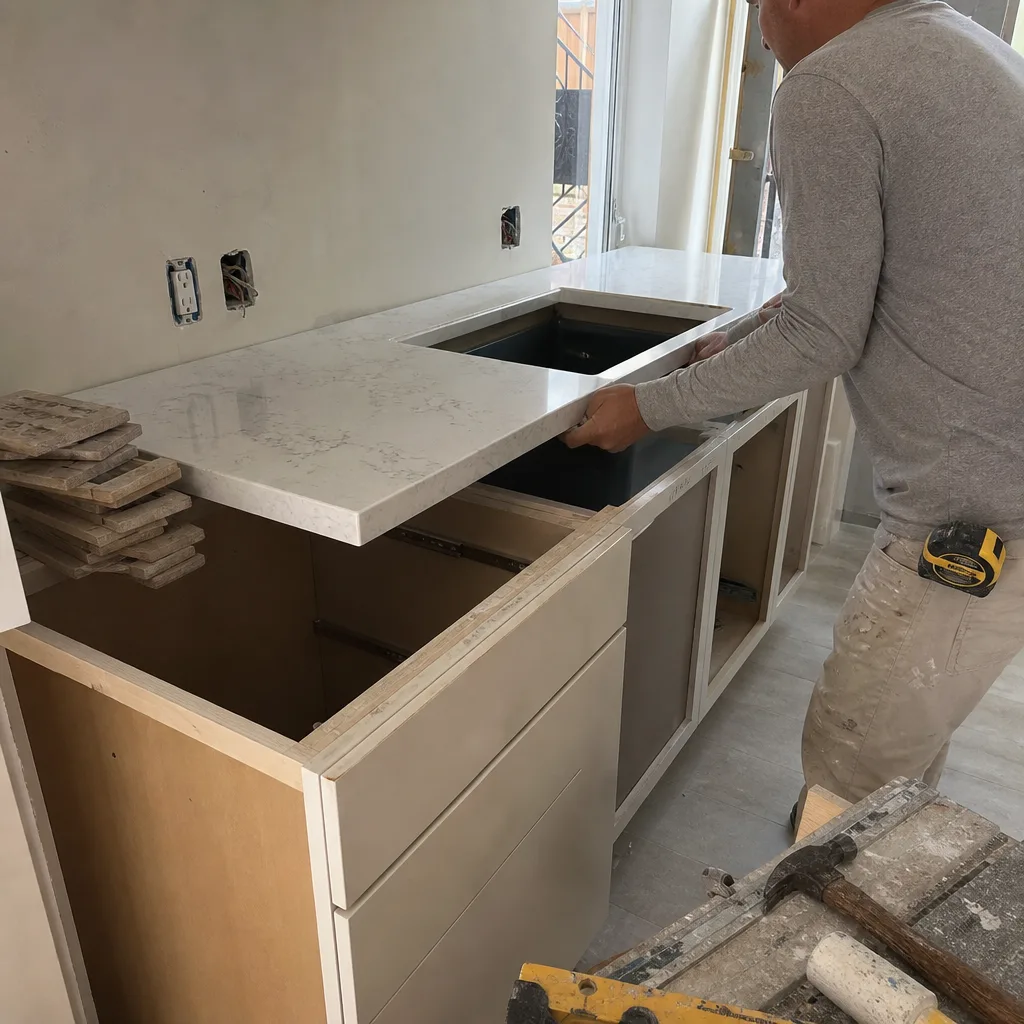
This is the narrowest and most consequential construction window in Pompano Beach. From mid-January through mid-March, relative humidity drops to 55-65 percent, temperatures hold between 65°F and 78°F, and dew points permit exterior coating application with proper cure cycles.
Why the January-March Window Matters for Coatings
Elastomeric coatings, the standard for stucco and masonry in South Florida, require substrate temperatures above 50°F and relative humidity below 70 percent during the initial 24-hour cure. Outside the January-March window:
- December applications risk dew formation before cure completion, causing surface whitening and adhesion failure
- April-October applications face humidity above 75 percent, accelerating solvent flash-off and creating a skinned surface that traps moisture
- High summer substrate temperatures, 90°F-plus stucco surfaces, cause rapid surface drying while the coating beneath remains wet, leading to alligatoring within 18 months
A properly applied elastomeric coating in January, following manufacturer’s moisture-content testing (typically 12 percent or below on stucco), delivers the rated 10-year lifespan. The same coating applied in June, under Pompano Beach’s summer conditions, often chalks and cracks within five to six years. The material cost is identical; the application window determines the value.
Caulking and Sealant Work in the Same Window
Polyurethane and hybrid sealants used for expansion joints, window perimeters, and roof penetrations share similar cure requirements. January-March application produces proper adhesion to concrete, stucco, and metal substrates. Summer application on hot substrates produces sealant sagging and poor tooling, while winter application on cool, damp mornings produces surface bubbling.
For homeowners considering kitchen remodeling in Pompano Beach or bathroom remodeling in Pompano Beach, this same window is ideal for exterior vent modifications and any stucco penetration work, as the repair patches cure correctly before humidity rises.
Dry-Season Soil Shrink and Foundation Stress
Pompano Beach sits on sandy substrate with high shell content and variable organic layers. From December through April, evapotranspiration exceeds rainfall, the water table drops, and this sandy soil shrinks. The effect is less dramatic than clay-soil shrink-swell in the Gulf states, but it is real and measurable.
What Homeowners Can Check Themselves
Mark these inspection points in November, then recheck in April:
- Driveway expansion joints: Measure the gap width at the street interface. A 1/2-inch November gap that widens to 3/4 inch by April indicates slab movement. If the joint sealant has torn, water intrusion during May’s first rains will accelerate subbase erosion.
- Pool deck perimeter: Check for new separation between the pool coping and the deck surface. Movement here indicates either soil shrinkage or hydrostatic pressure changes. Either warrants professional evaluation before the next wet season.
- Interior door operation: Doors that stick in November and free up in April are responding to slab movement. The reverse pattern, free in November and sticking in April, suggests moisture intrusion swelling the jamb.
- Exterior stucco cracks at slab level: Horizontal cracks within 6 inches of grade, especially on south and west exposures where soil dries fastest, indicate differential settlement.
The repair for expansion joint failure is not cosmetic. Open joints allow water to reach the compacted subbase, which in Pompano Beach’s sandy soils washes out faster than in clay-heavy regions. A pool deck with washed subbase develops the hollow sound that precedes cracking, and the repair escalates from joint resealing to partial deck replacement.
Under the Haven Standard, we document these measurements during any Rowan Construction Group Pompano Beach site visit, with dated photos the customer receives. Tracking movement over time is more valuable than a single snapshot; it distinguishes seasonal cycling from progressive failure.
Salt-Air Exposure Schedule for Exterior Hardware
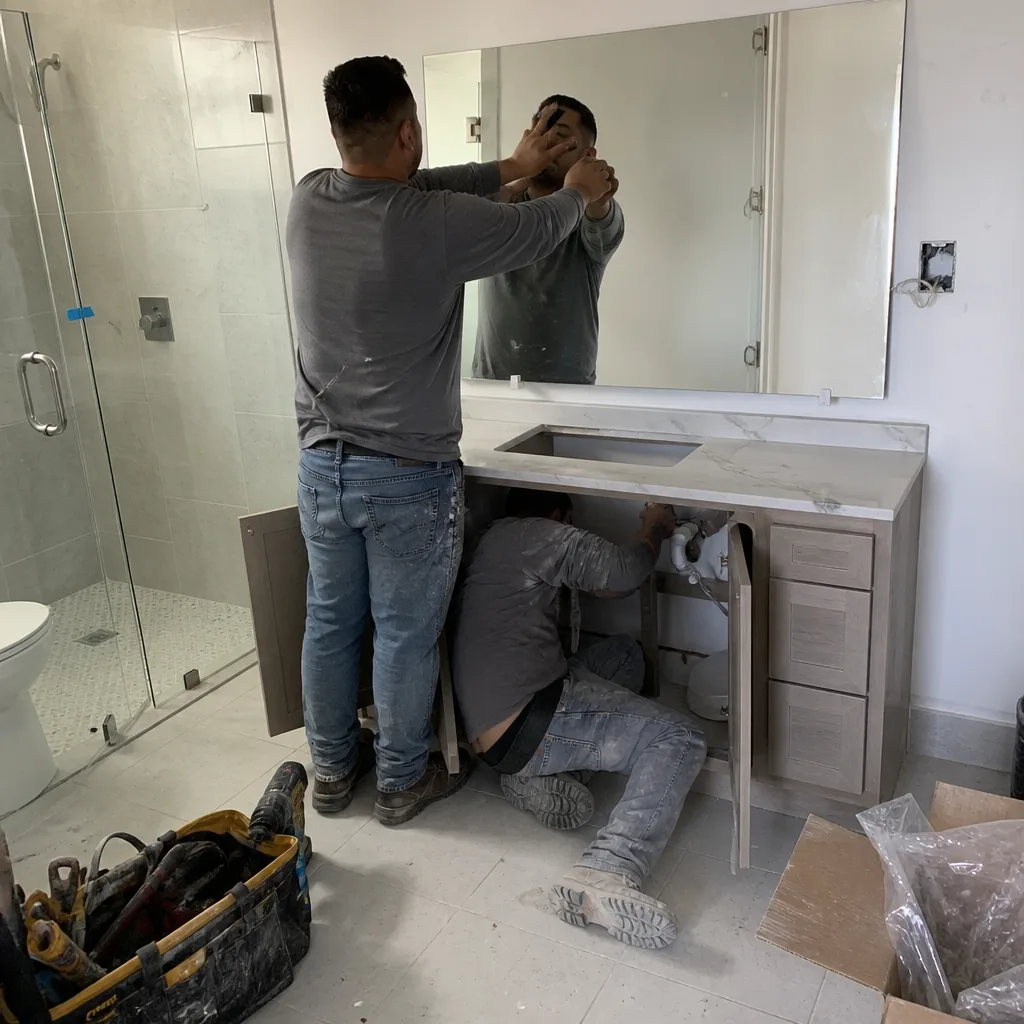
Pompano Beach’s distance from the Atlantic Ocean and the Intracoastal Waterway creates distinct salt-exposure zones that most maintenance schedules ignore. The difference between 0.8 miles and 2.5 miles from salt water is measurable in hardware lifespan.
Replacement Intervals by Distance Zone
| Component | Under 1 mile from salt water | 1-3 miles from salt water | Over 3 miles inland |
|---|---|---|---|
| Exterior door hinges (non-stainless) | 3-4 years | 5-7 years | 8-10 years |
| Gate and fence hardware | 4-5 years | 6-8 years | 10-12 years |
| Gutter hangers and fasteners | 6-8 years | 10-12 years | 15+ years |
| Window locks and operators | 7-9 years | 10-12 years | 15+ years |
| Exterior light fixtures (coastal grade) | 8-10 years | 12-15 years | 15+ years |
These intervals assume standard hardware, not marine-grade 316 stainless. For homes in Harbor Village, Garden Isles, or any Pompano Beach neighborhood east of Federal Highway, the under-1-mile column applies. The corrosion is not uniform; it concentrates on north and east exposures where salt spray deposits and morning dew extends contact time.
When we specify hardware for kitchen remodeling in Pompano Beach projects that include exterior access, we default to Moen or Kohler coastal-grade finishes for homes under 2 miles from the Intracoastal, with the specification noted in the written quote. The upgrade cost is typically 15-25 percent over standard grade, versus 100 percent replacement cost at the accelerated interval.
Roof Maintenance Timing in South Florida
Roof maintenance in Pompano Beach is not an annual task; it is a seasonal sequence tied to the storm cycle. The specific timing matters more than the task list.
Pre-Season: April-May
Complete any needed repairs, not inspections. Inspections identify problems; repairs solve them. Starting repairs in June risks weather delays that push completion into storm season.
Active Season: June-November
Monitor after each named system. The post-storm checklist above applies. Do not attempt repairs during active warnings; documentation is the only safe task.
Post-Season: November-December
Schedule professional inspection and any major repairs. Crew availability peaks, material lead times are shortest, and the November-December window allows complete cure of any sealant work before January’s coating season.
Coating Season: January-March
Apply any reflective or protective coatings to metal roof panels. This is also the window for tile roof pressure washing, as the lower humidity reduces the risk of water intrusion through lifted tiles during cleaning.
The $4,000-$12,000 cost of deferred roof maintenance in Pompano Beach breaks down as follows: a small flashing leak, undetected through storm season, saturates insulation ($800-$1,500), stains and damages drywall ($1,200-$2,500), and if it reaches framing, requires partial gutting of the affected room ($2,500-$8,000). The repair that prevents this, typically flashing resealing or fastener replacement, costs $400-$900 when caught in the November window.
Common Mistakes to Avoid
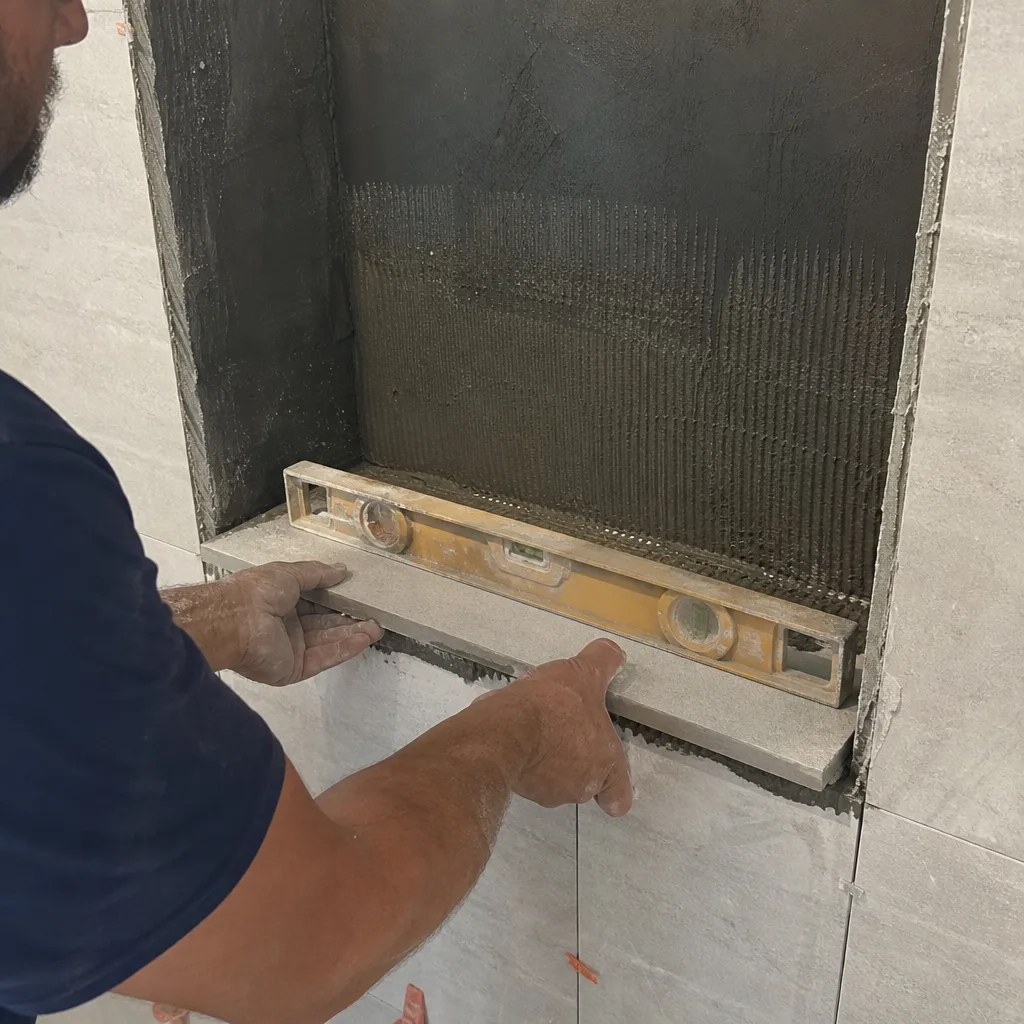
- Applying exterior paint after March 15. The coating may appear to cure, but the shortened lifespan means repainting in 5-6 years instead of 10. The labor cost is identical; the value is halved.
- Installing hurricane shutters without verifying permit status. Broward County requires permits for permanent systems, and unpermitted installations must be removed or retroactively permitted at higher cost. The 10-15 day lead time in April is manageable; the emergency filing in June is not.
- Ignoring granule accumulation in gutters. This is the earliest visible indicator of shingle wear in Pompano Beach’s UV environment. By the time bald patches are visible from ground level, the roof is often within 18 months of replacement.
- Sealing expansion joints in summer. High humidity and substrate temperatures prevent proper adhesion. The sealant appears to cure but releases within 12 months, often pulling away with chunks of concrete attached.
- Deferring post-storm inspection until “something leaks.” In South Florida’s construction, visible interior water damage means the failure has already propagated through multiple layers. The inspection cost is minor; the deferred repair cost is not.
- Using interior-grade hardware within 1 mile of salt water. Standard zinc-plated hinges and latches corrode through in 3-4 years in Pompano Beach’s coastal zones. The replacement cycle is disruptive and ultimately more expensive than specifying coastal-grade initially.
When to Call a Professional
Some inspection findings warrant immediate professional evaluation: cracks that widen beyond 1/16 inch over a single dry season, fastener back-out across more than 10 percent of a metal roof surface, any post-storm attic staining that doesn’t dry within 72 hours, or expansion joint gaps that exceed 3/4 inch. These indicate progressive conditions, not seasonal cycling.
Rowan Construction Group Pompano Beach offers free estimates in Pompano Beach for any of these concerns. Under Clause 1 of the Haven Standard, we deliver a written price before any work starts, with scope documented and a photo record included as standard. For homeowners with a competitor’s estimate, we provide a free second opinion, reviewed line by line. Call (754) 714-6540 to schedule.
Frequently Asked Questions
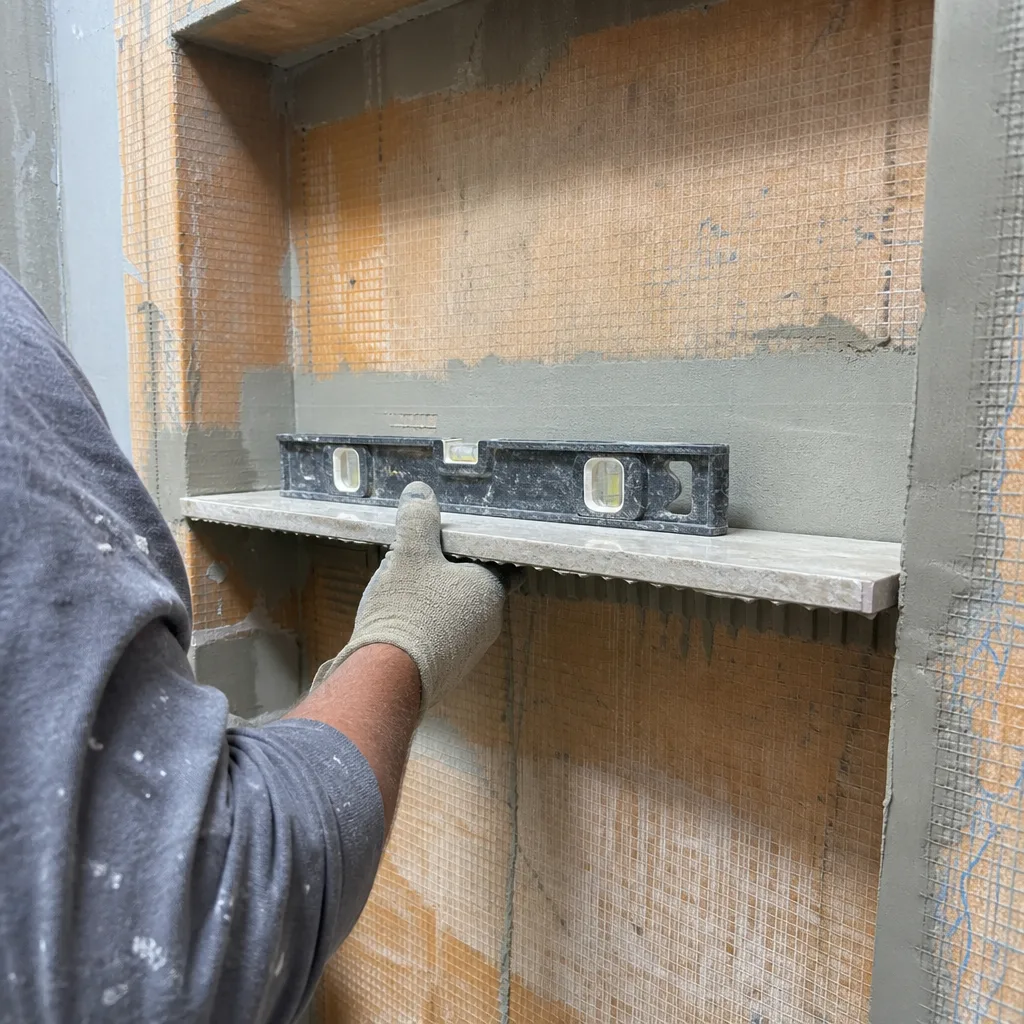
Professional roof inspection and basic maintenance in Pompano Beach typically ranges from $250-$450 for single-story homes and $350-$650 for two-story homes, depending on roof pitch and access. This includes gutter cleaning, fastener inspection, flashing sealant touch-up, and a documented photo record. Call (754) 714-6540 for an exact quote - estimates are free.
Application is technically straightforward, but the substrate preparation requirements are exacting: moisture content below 12 percent, no active efflorescence, and proper priming of any patched areas. The January-March window is brief, and misapplied coating fails within 2-3 years. We recommend professional application for any coating with a 10-year performance expectation. Call (754) 714-6540 for a written price.
Yes. Permanent hurricane protection systems, including accordion shutters, roll-down shutters, and impact-resistant windows and doors, require a Broward County permit and inspection. Temporary plywood installed within 72 hours of a storm watch does not. Permit lead time is 10-15 business days in April, extending to 20-25 days in late May. File early.
No. Under the Haven Standard, no work proceeds on a change until the change order is signed. The written price you receive before work starts is the price you pay, with documented scope. Across 4,000-plus projects since 2007, Rowan Construction Group has kept final costs within a few percent of the agreed price by enforcing this discipline.
Mark cracks with pencil and date them. Cracks that remain stable through the December-April dry season are likely seasonal. Cracks that widen beyond 1/16 inch, especially horizontal cracks within 6 inches of grade, indicate differential settlement and require professional evaluation. The documented photo record from a site visit provides the baseline for tracking.
Schedule coating estimates by December 1 for January-March completion. The optimal window is narrow, and qualified crews book early. Waiting until January to call often means March availability, when humidity begins rising and the cure margin narrows.
The Bottom Line
Pompano Beach’s construction calendar runs on hurricane season, soil moisture, and a six-week coating window, not on traditional four-season rhythms. The homeowners who avoid four-figure surprises are those who treat April-May as preparation season, June-November as documentation season, November-December as repair season, and January-March as the narrow window for exterior coatings and sealants that actually last. The specific tasks, permit lead times, and material specifications in this guide are calibrated to this region’s actual conditions, not to generic maintenance advice. Schedule the work to the window, and the work performs as specified.
Written by Grant Rowan, Owner at Rowan Construction Group Pompano Beach, serving Pompano Beach since 2007.