
Last updated September 25, 2026
Free written scope consultation - allowances, timeline, and change-order rules on paper before a single trade is scheduled

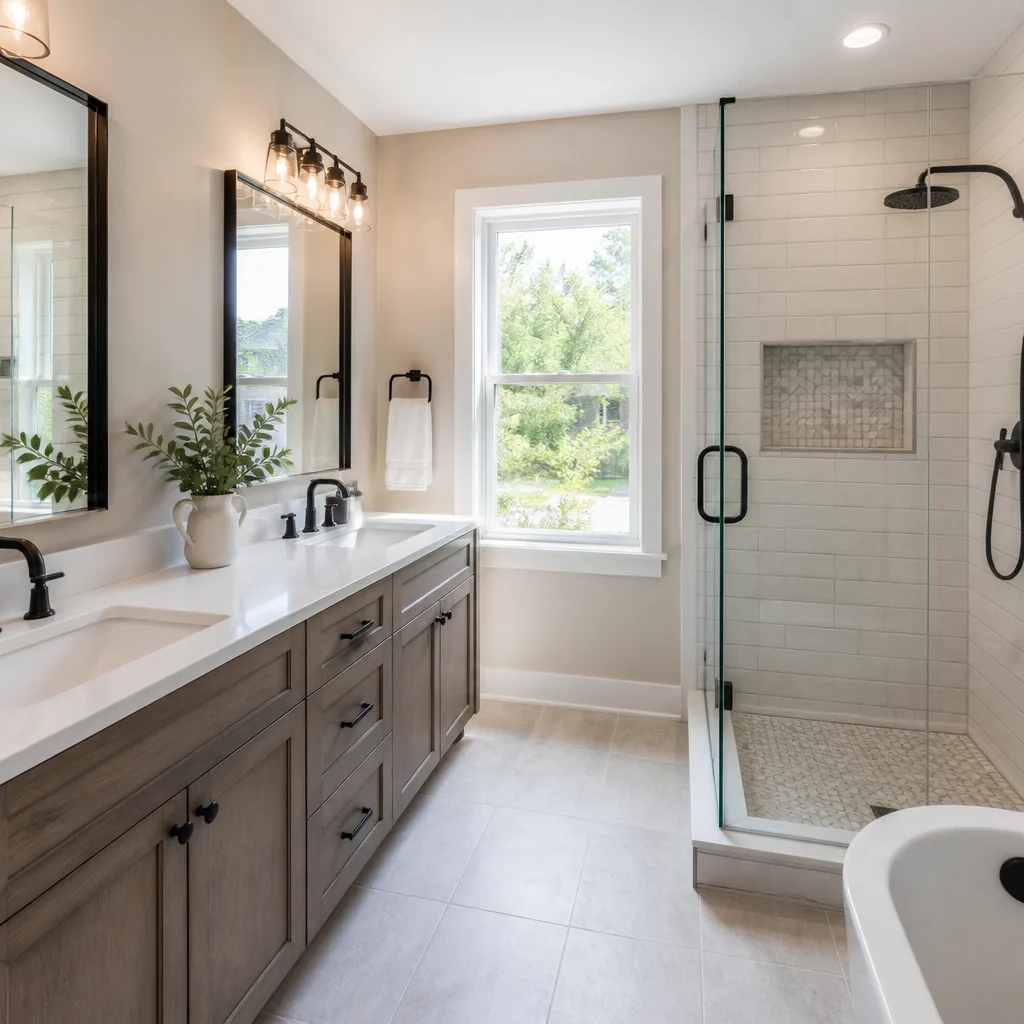
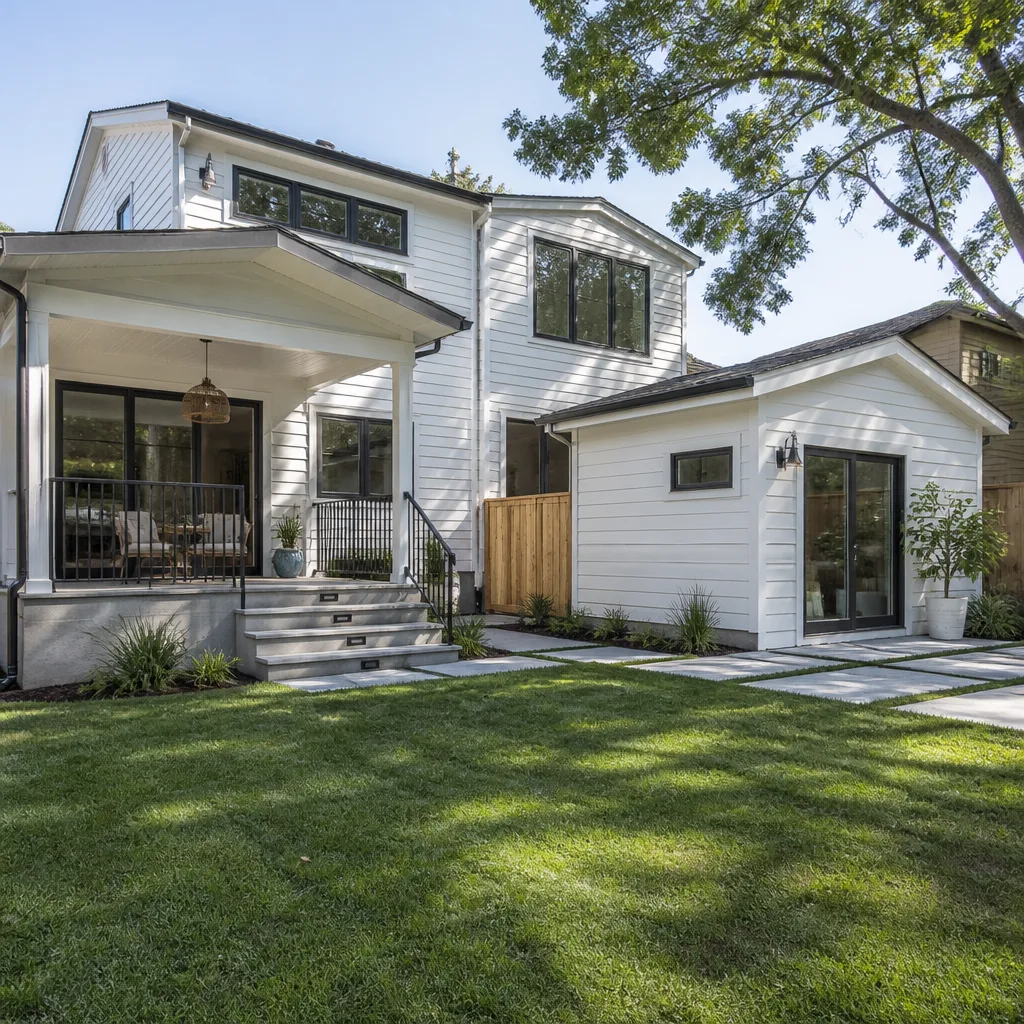


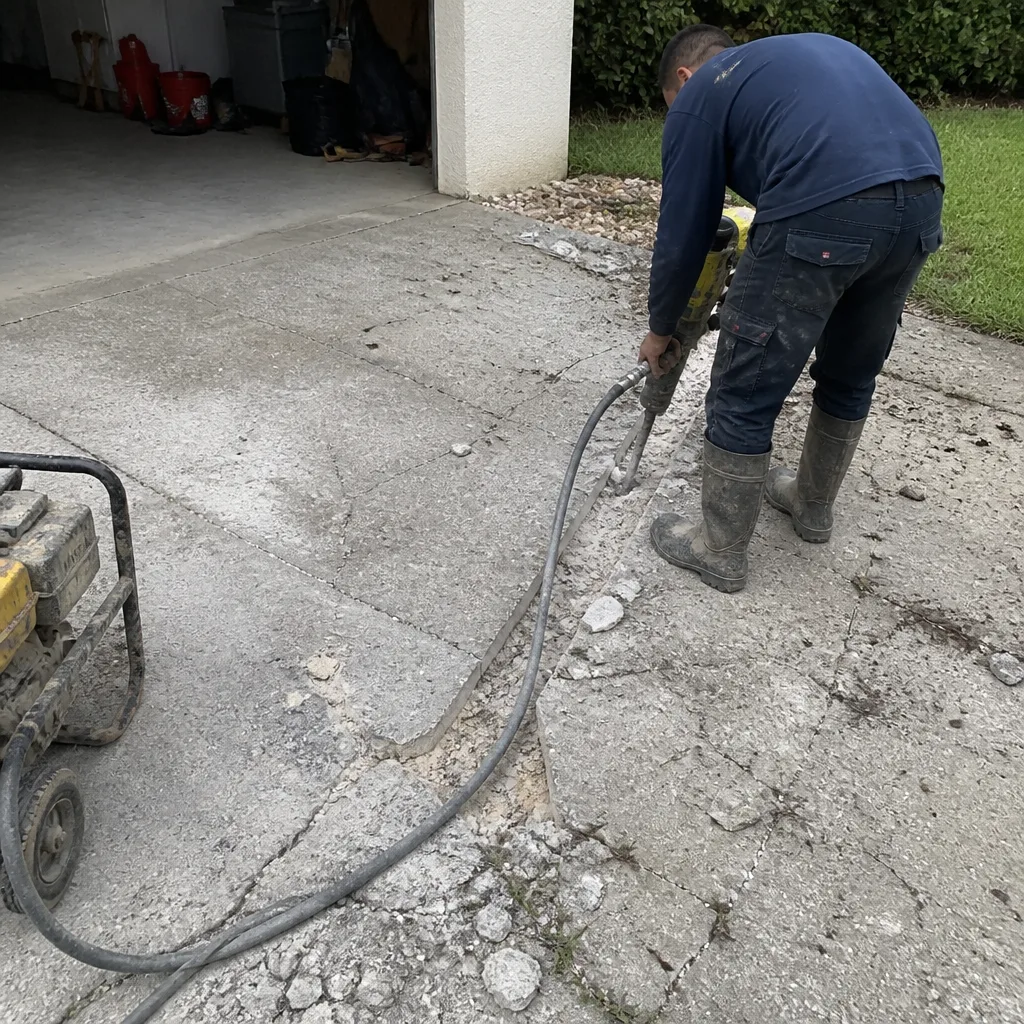 Before
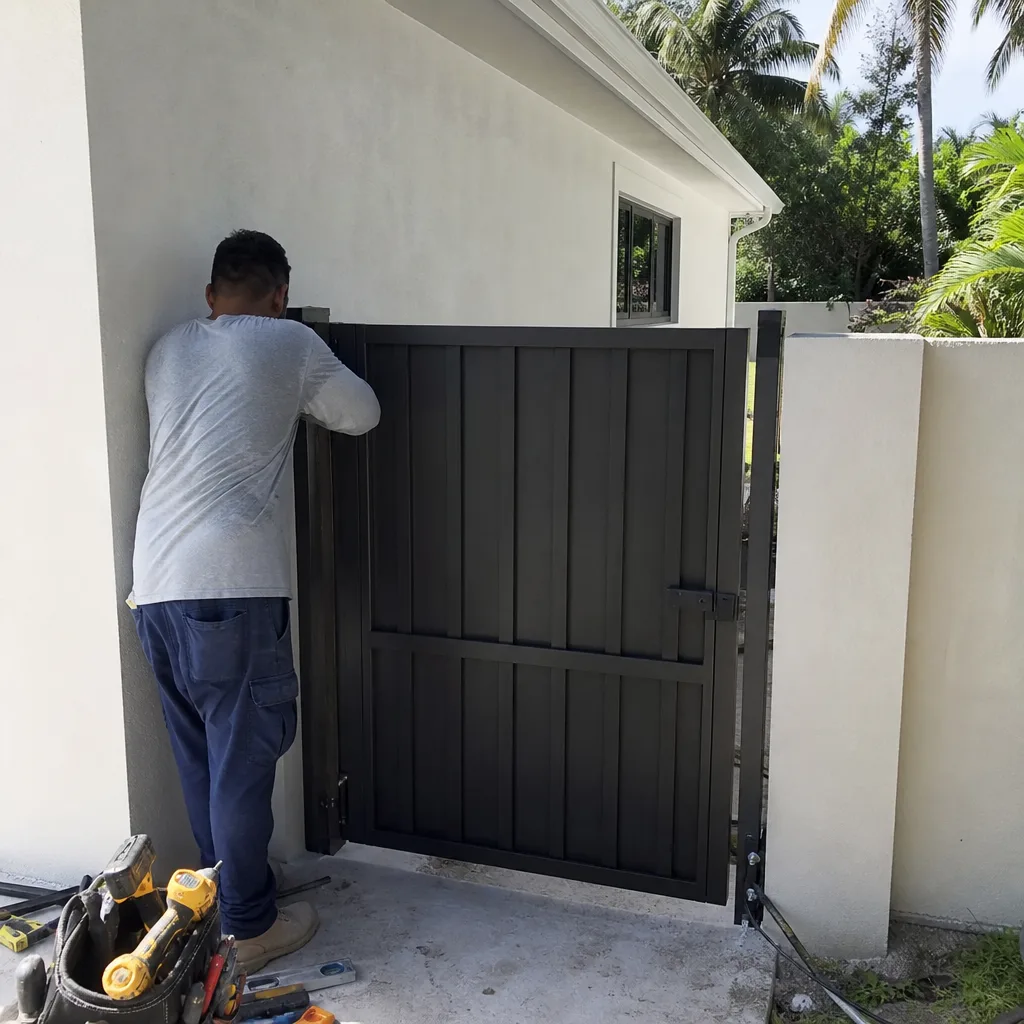 After
After Before
 After
After Before
 After
AfterThe Complete Guide to Construction in Pompano Beach
Pompano Beach sits inside Broward County’s High-Velocity Hurricane Zone, one of only two counties in the U.S. where Florida’s strictest wind-resistance standards apply by default. That single fact eliminates roughly 30% of roofing and window products you’ll find on the shelves at national home-improvement stores. If you’re planning to build, renovate, or add square footage here, you’re not just hiring a contractor. You’re navigating a three-layer jurisdiction stack - city, county, and state code - where each layer controls different decisions, and getting the sequence wrong can cost months. This guide maps every layer so you arrive at your first contractor meeting with questions already formed. For more guides & resources on building in South Florida, explore our blog.
Quick Answer
Construction in Pompano Beach requires permits from the City of Pompano Beach Building Division, compliance with Broward County’s amendments to the Florida Building Code, and HVHZ-rated materials for any exterior work. For a detailed look at what drives pricing in this market, see our Construction Cost Breakdown: The Pompano Beach Homeowner’s Reference for 2026. Most residential projects take 8-14 weeks from permit application to Certificate of Occupancy, with costs running 15-25% above inland Florida markets due to coastal insurance requirements, HVHZ material premiums, and flood-elevation documentation in AE and VE zones.
Table of Contents
- The Three-Layer Jurisdiction Stack: Who Controls What
- HVHZ Requirements: What Passes and What Fails
- The Seven Trade Categories in Pompano Beach Construction
- Realistic Permit Timeline: Pre-Application to Certificate of Occupancy
- Three Pompano Beach Cost Escalators Competitors Ignore
- Choosing Materials That Survive Coastal Conditions
- Flood Zone Requirements: AE, VE, and Elevation Certificates
- Common Mistakes to Avoid
- When to Call a Professional
- Frequently Asked Questions
- The Bottom Line
 Before
 After
AfterThe Three-Layer Jurisdiction Stack: Who Controls What
Every construction project in Pompano Beach runs through three separate authorities, and knowing which one controls which decision - as covered in our guide to Construction Permits, Codes & Inspections in FL: What You Need to Know - prevents the most common delay we see: homeowners submitting to the wrong office first.
Layer 1: City of Pompano Beach Building Division handles plan review, permit issuance, and inspections for all residential construction within city limits. This is your first stop. They review structural plans, electrical layouts, plumbing schematics, and mechanical systems against the Florida Building Code 8th Edition (2023). The Building Division also enforces the city’s local amendments, which include setback requirements, height restrictions, and specific landscaping buffers in the Beach Community Redevelopment Area.
Layer 2: Broward County operates above the city for certain health, safety, and environmental functions. The county controls well and septic permitting (though most of Pompano Beach is on municipal water and sewer), environmental resource permits for work near waterways or wetlands, and the Broward County Hurricane Protection Code - a local amendment to the Florida Building Code that is stricter than state minimums. The county also maintains the Broward County Property Appraiser’s records, which affect your assessed value post-construction and can trigger reassessment timing questions worth asking before you start.
Layer 3: Florida Building Code is the baseline. It sets minimum standards for structural loads, wind resistance, energy efficiency, and accessibility. In Pompano Beach, the code is not optional background; it’s actively enforced through the city’s compliance with the state-mandated 8th Edition, and the HVHZ provisions within Chapter 16 are where most material rejections originate.
The sequence matters. Start with the city for your building permit, but if your lot sits within 50 feet of a canal or the Intracoastal, you’ll need Broward County environmental clearance before the city will issue that permit. We’ve seen homeowners lose six weeks by submitting city plans first, then discovering the county wetland buffer triggered a redesign.
In the Harbor Village and Garden Isles neighborhoods, where lot lines run close to finger canals, this sequence error is particularly common. The city’s GIS map shows flood zones and wetland boundaries; check it before you pay for architectural drawings.
HVHZ Requirements: What Passes and What Fails
Broward County’s High-Velocity Hurricane Zone designation means every exterior product - roofing, windows, doors, garage doors, and skylights - must carry a Florida Product Approval number or a Miami-Dade County Notice of Acceptance. These are not marketing labels. They are specific certifications issued by the Florida Department of Business and Professional Regulation after missile-impact and cyclic pressure testing.
A Florida Product Approval number follows this format: FL [Product Category] [Approval Number]. For roofing shingles, you’ll see FL 5678-R1; for windows, FL 1234-W1. The suffix indicates the approval category: R for roofing, W for windows and doors, S for structural components. Without this number, the Pompano Beach Building Division will reject your material submittal at plan review.
Concrete example of pass vs. fail: A standard asphalt shingle sold at national retailers, rated to 90 mph wind speed, fails HVHZ requirements. The same manufacturer’s HVHZ line, tested to 150 mph with a -4.8 psf uplift rating and carrying FL 5678-R1 approval, passes. The difference is not the shingle’s appearance; it’s the fastening pattern, the sealant strip formulation, and the nail-zone engineering that were tested with 9-pound 2×4 lumber missiles at 50 feet per second.
For windows, the distinction is equally sharp. A vinyl double-hung window with a DP-30 rating (design pressure, 30 psf) might suffice in Orlando. In Pompano Beach, you need DP-50 minimum for most zones, and DP-60 or higher for beachfront structures east of A1A. The window frame must also pass large-missile impact testing, which requires laminated glass or protective shutter systems with documented FL approval numbers.
We’ve reviewed competitor quotes where homeowners were specified standard-grade materials that would fail inspection. Under Clause 1 of the Haven Standard, we put the approved product numbers in writing before any work starts, with the FL certification documented in the submittal package. The 30% of products that fail HVHZ are not “better” versions of standard items; they’re entirely different SKUs with different price points, and that price gap is where hidden cost overruns begin.
The Seven Trade Categories in Pompano Beach Construction
Florida’s contractor licensing system separates residential construction into licensed trades, and Pompano Beach enforces these separations at permit. A general contractor can oversee the project, but specific work requires specific licenses. Here’s what triggers each:
- General Contracting (CGC or CBC): Required for any structural work, additions, or projects exceeding $25,000. The GC pulls the primary building permit and coordinates all subs.
- Roofing (CCC or RC): Triggered by any work affecting more than 25% of the roof area, or any repair in the HVHZ where the underlayment or attachment system is modified. Re-roofing over one layer is permitted; a third layer requires complete tear-off per Florida Building Code.
- Electrical (EC): Required for new circuits, panel upgrades, service relocation, or any work beyond replacing like-for-like fixtures. In Pompano Beach, this includes EV charger installations and generator transfer switches.
- Plumbing (CFC): Triggered by fixture relocation, water heater replacement (tank or tankless), repiping, or backflow prevention device installation. The city’s cross-connection control program requires annual testing on irrigation and fire sprinkler systems.
- HVAC (CAC or CRC): Required for new system installation, ductwork modification, or load calculations for additions. Florida’s energy code mandates Manual J load calculations for any system replacement; Pompano Beach inspectors verify these against permit plans.
- Pool/Spa (CPC): Applies to new pool construction, structural repair, or equipment relocation. Separate from general contracting even when the pool is part of a larger backyard project.
- Gas (GFC): Required for natural gas line installation, appliance connection, or propane system modification. In Pompano Beach, this commonly arises with outdoor kitchen projects and generator fuel systems.
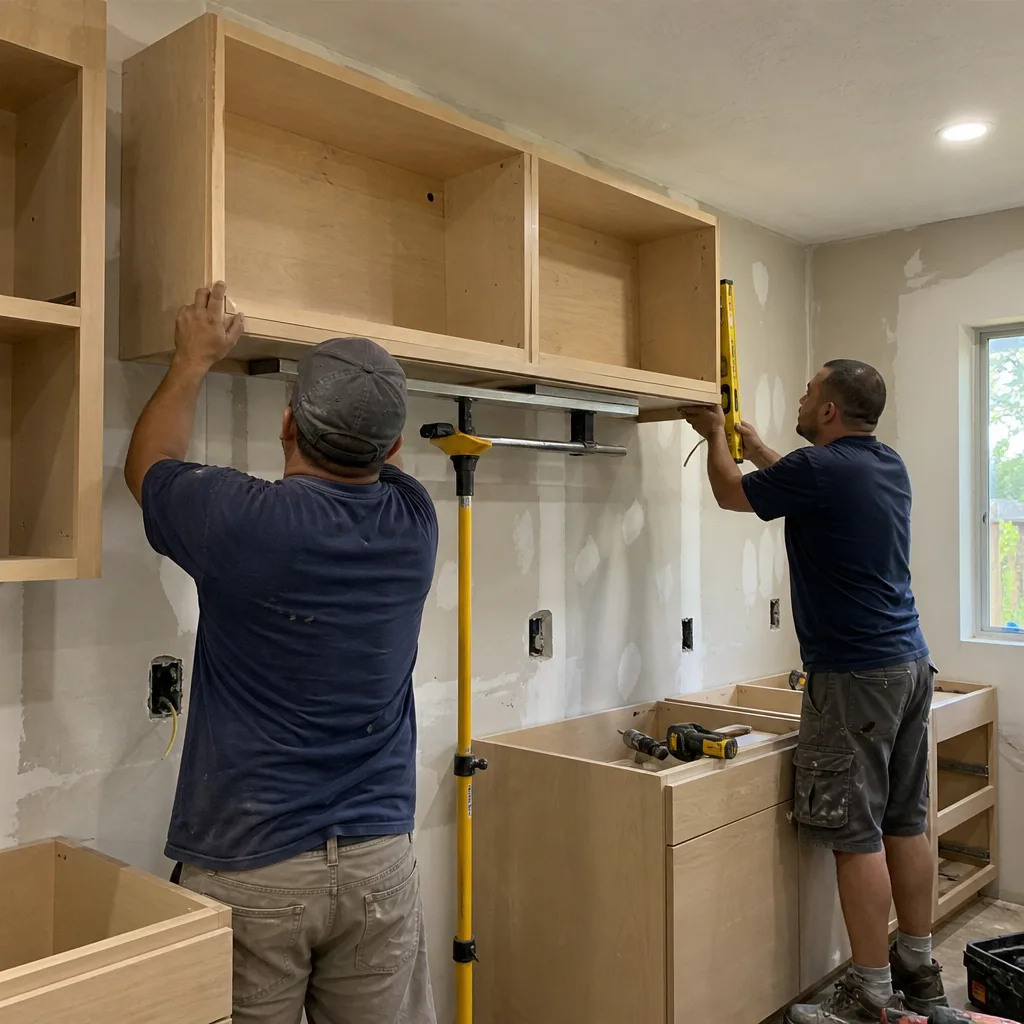
Each trade requires its own permit or permit endorsement, and each carries separate inspection sequences. A kitchen remodel in Pompano Beach typically triggers general contracting, electrical, plumbing, and HVAC permits if you’re moving walls or appliances. We’ve delivered over 4,000 projects since 2007, and the most common scheduling delay comes from homeowners assuming one permit covers everything. It doesn’t.
Kitchen Remodeling in Pompano Beach requires particular attention to this trade stack, because the compact footprint of many Pompano Beach homes from the 1960s and 1970s means mechanical systems are often relocated into attic or garage spaces, triggering additional permits.
Realistic Permit Timeline: Pre-Application to Certificate of Occupancy
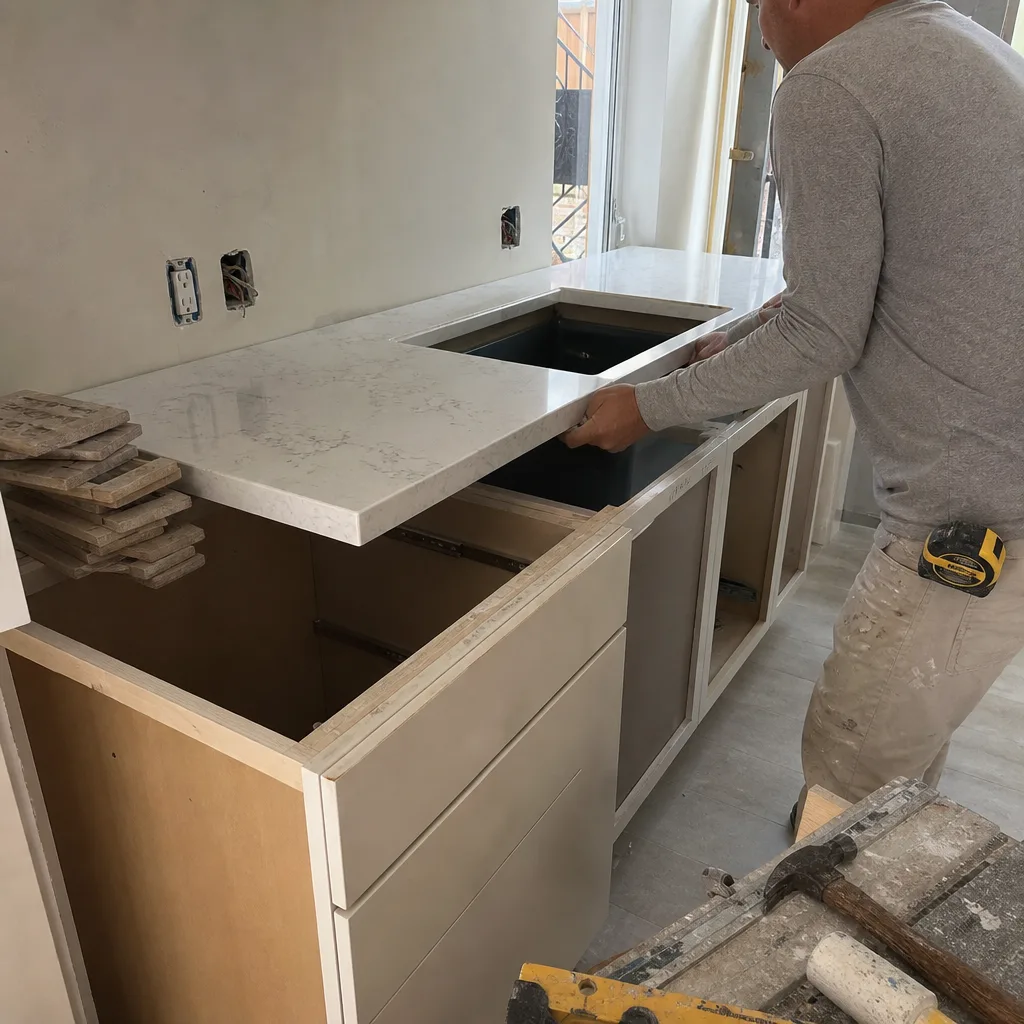
Broward County permit data, averaged across 2022-2024 residential projects, shows a predictable pattern that most online “permit timelines” compress or ignore. Here’s what actually happens in Pompano Beach.
Phase 1: Pre-Application (2-4 weeks)
Before submitting, you need surveyed site plans, structural drawings signed by a Florida-licensed engineer or architect, and HVHZ product approvals for all exterior materials. For additions or ADUs, you’ll also need a recorded elevation certificate if the lot sits in AE or VE zones. We recommend scheduling a pre-application conference with the Pompano Beach Building Division; it’s not required, but it identifies conflicts before you’re in the queue.
Phase 2: Plan Review (4-8 weeks)
The city routes plans through structural, mechanical, electrical, and plumbing reviewers. Each trade reviews in sequence, not parallel, and corrections are issued as “comments” that require revised drawings. The average residential project in Broward County generates 1.7 rounds of corrections. A clean submittal with HVHZ products pre-approved and flood documentation complete typically passes in one round.
Phase 3: Permit Issuance (3-5 days)
Once approved, permits are issued electronically through the city’s portal. You’ll receive inspection scheduling instructions and a required inspection sequence. In Pompano Beach, the foundation/slab, framing, rough electrical, rough plumbing, rough HVAC, insulation, and final inspections are mandatory for most projects.
Phase 4: Construction and Inspections (variable)
The construction timeline depends on scope, but inspection scheduling adds structure. Pompano Beach Building Division offers next-day inspection scheduling for most trades if booked by 3 PM. Re-inspections, required when a trade fails, add 3-5 days each and carry a fee. We’ve found that projects with a documented photo record at each inspection pass more frequently; our crews include this as standard deliverable, not an upgrade, so the inspector sees what we saw.
Phase 5: Certificate of Occupancy (1-2 weeks)
Final inspections passed, the city issues the CO or a Certificate of Completion for renovations without occupancy change. This document is required for homeowner’s insurance updates, property tax reassessment appeals, and future sale disclosures.
Total realistic timeline: 8-14 weeks for a mid-size residential project from pre-application to CO, assuming no major corrections or weather delays. Add 4-6 weeks for projects in the Beach Community Redevelopment Area with additional design review, or for properties requiring Broward County environmental permits.
Three Pompano Beach Cost Escalators Competitors Ignore
When we review competitor estimates for homeowners in Pompano Beach, we consistently find three cost factors omitted from the initial quote - the same red flags detailed in our Construction Warning Signs: A Pompano Beach Homeowner’s Reference Guide. These aren’t hidden fees; they’re structural realities of building in a coastal HVHZ market that honest contractors account for upfront.
Escalator 1: Coastal Insurance Riders on Contractor Bonds
Florida requires general contractors to carry a $1 million aggregate liability policy and workers’ compensation. In Pompano Beach, insurers add coastal exposure riders for work east of Dixie Highway or within the 100-year flood plain. These riders increase premium costs 12-18% over inland Broward County rates. Contractors who bid Pompano Beach jobs with their standard inland policy either absorb the cost (and cut elsewhere) or discover the gap at permit when the city verifies active coverage. We put the insurance verification in our pre-construction checklist, with the policy declaration page attached to every written quote.
Escalator 2: HVHZ-Rated Material Premiums
The 30% of products that fail HVHZ aren’t just rejected; their approved replacements cost more. A HVHZ-rated asphalt shingle runs $45-$65 per square (100 sq ft) installed, versus $35-$50 for the standard grade. Impact-rated windows with DP-50 ratings and FL approval numbers run $650-$1,200 per opening installed, versus $400-$700 for non-rated units. Over a whole-house window replacement, that’s $4,000-$8,000 in material escalation that doesn’t appear if the estimate specifies “vinyl replacement window” without the rating.
Our written quotes name the manufacturer, the product line, and the FL approval number. For roofing, we commonly specify GAF Timberline HDZ with FL 12345-R1 or Owens Corning Duration with FL 67890-R1; for windows, we source from manufacturers with documented HVHZ approvals. The customer can screenshot the line item and verify the approval online before signing.
Escalator 3: Flood-Elevation Certificate Requirements in AE and VE Zones
Pompano Beach’s FIRM (Flood Insurance Rate Map) shows extensive AE zones and VE zones along the beachfront and Intracoastal waterways. Any new construction, substantial improvement (defined as 50% or more of pre-improvement market value), or addition in these zones requires a FEMA Elevation Certificate prepared by a licensed surveyor. The certificate costs $500-$800 in Pompano Beach, and if the finished floor elevation doesn’t meet the Base Flood Elevation plus freeboard, the project requires redesign or fill.
In the Cypress Bend and Palm Aire neighborhoods, we’ve seen homeowners discover mid-project that their slab-on-grade addition needed 18 inches of engineered fill to meet BFE+1, adding $3,500-$6,000 in unbudgeted site work. We order the elevation certificate during pre-application, before plans are finalized, and include the result in the written scope.
Choosing Materials That Survive Coastal Conditions
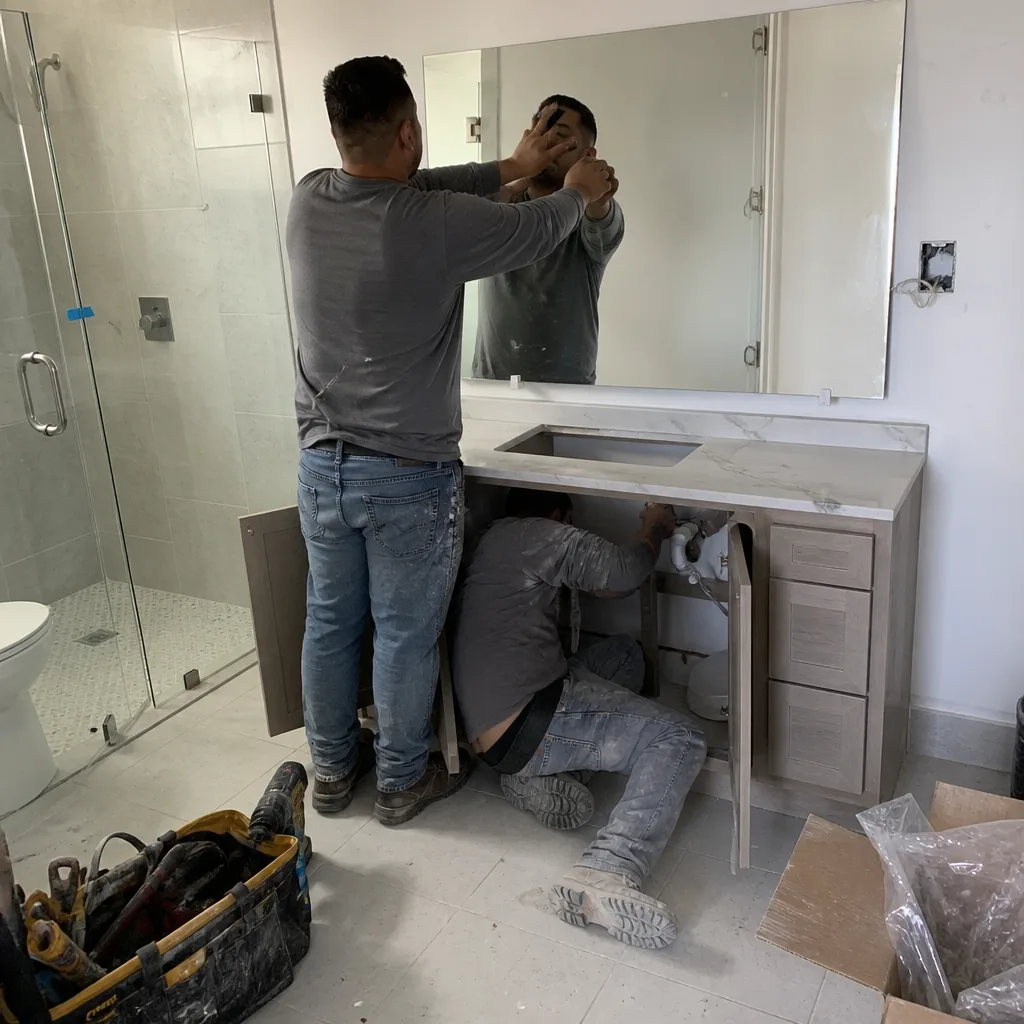
Pompano Beach’s climate is not generic South Florida. The city receives 60+ inches of annual rainfall, sits in salt-air exposure zone C (direct coastal exposure within 600 yards of open water), and experiences sustained winds above 74 mph on a generational cycle. Material selection needs to account for all three.
Pavers and Hardscaping
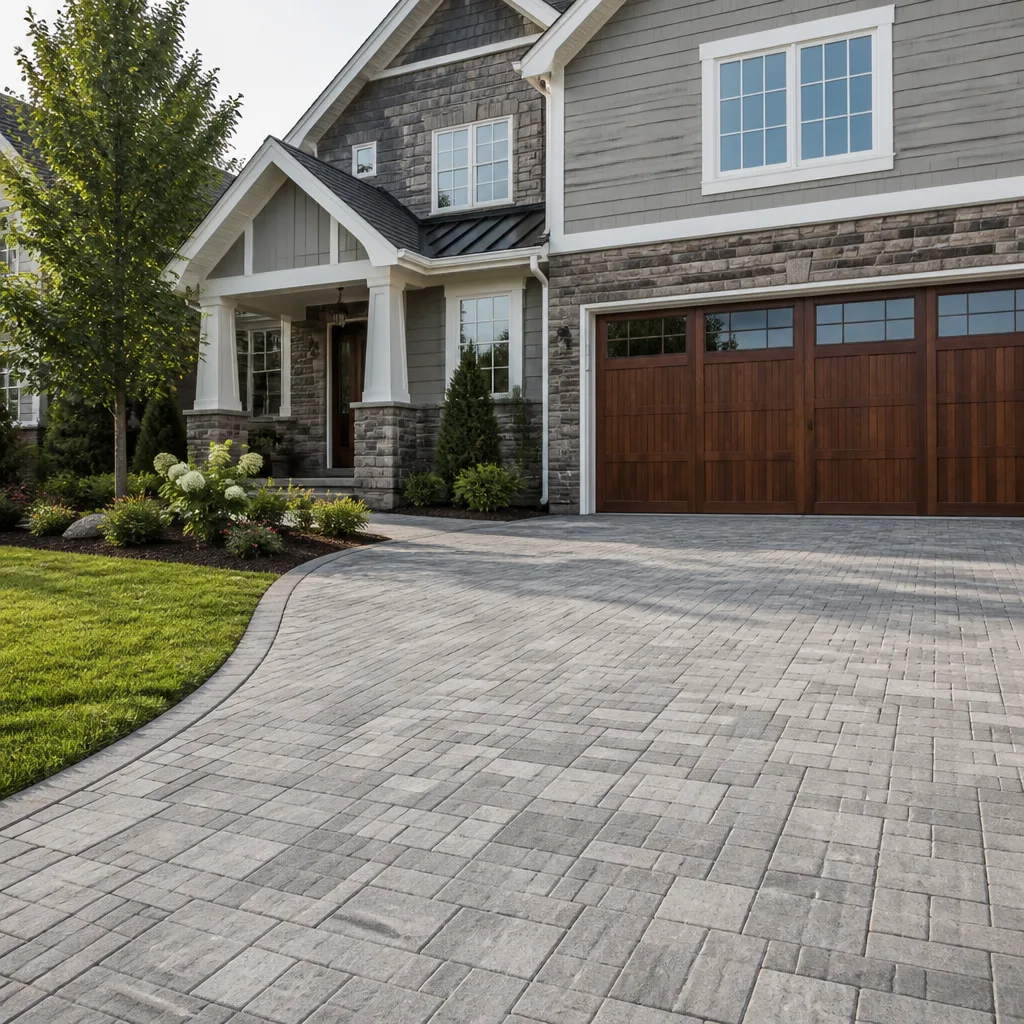
Concrete pavers outperform poured concrete in Pompano Beach for driveways, pool decks, and patios. The segmented surface accommodates the slight soil movement common in coastal fill soils, and individual units can be replaced after root intrusion or settling. For salt-air exposure, we specify pavers with a minimum 8,000 psi compressive strength and sealed surfaces. Belgard’s Dublin Cobble and Techo-Bloc’s Blu 80 are both manufactured with iron oxide pigments that resist UV fading in south Florida intensity; we’ve installed both in Pompano Beach projects with documented performance at 10-year intervals.
Poured concrete, by contrast, cracks predictably in the expansion-contraction cycle of coastal sun exposure, and salt spray accelerates rebar corrosion where cracks reach the steel. If you choose concrete, specify a 4,000 psi mix with air entrainment and epoxy-coated rebar; expect 7-10 year resurfacing cycles versus 15-20 for quality pavers.
Roofing
Metal roofing with Kynar 500 finish performs well in salt-air zones; the PVDF resin resists chalking and color shift. Standing seam systems with concealed fasteners avoid the screw-line leaks common in coastal wind cycling. For asphalt shingles, we specify architectural laminate products with StainGuard or equivalent algae resistance, because the humidity that Pompano Beach receives May through October promotes black algae streaking on standard granules.
Roofing in Pompano Beach requires particular attention to the HVHZ fastening pattern: six nails per shingle in the HVHZ nailing zone, not four, with ring-shank nails into plywood decking minimum 7/16 inch thick. We’ve found roof decks in older Pompano Beach homes built with 3/8 inch planks that don’t meet current fastening withdrawal resistance; we document this in the photo record and specify redecking in the written quote when required.
Fencing
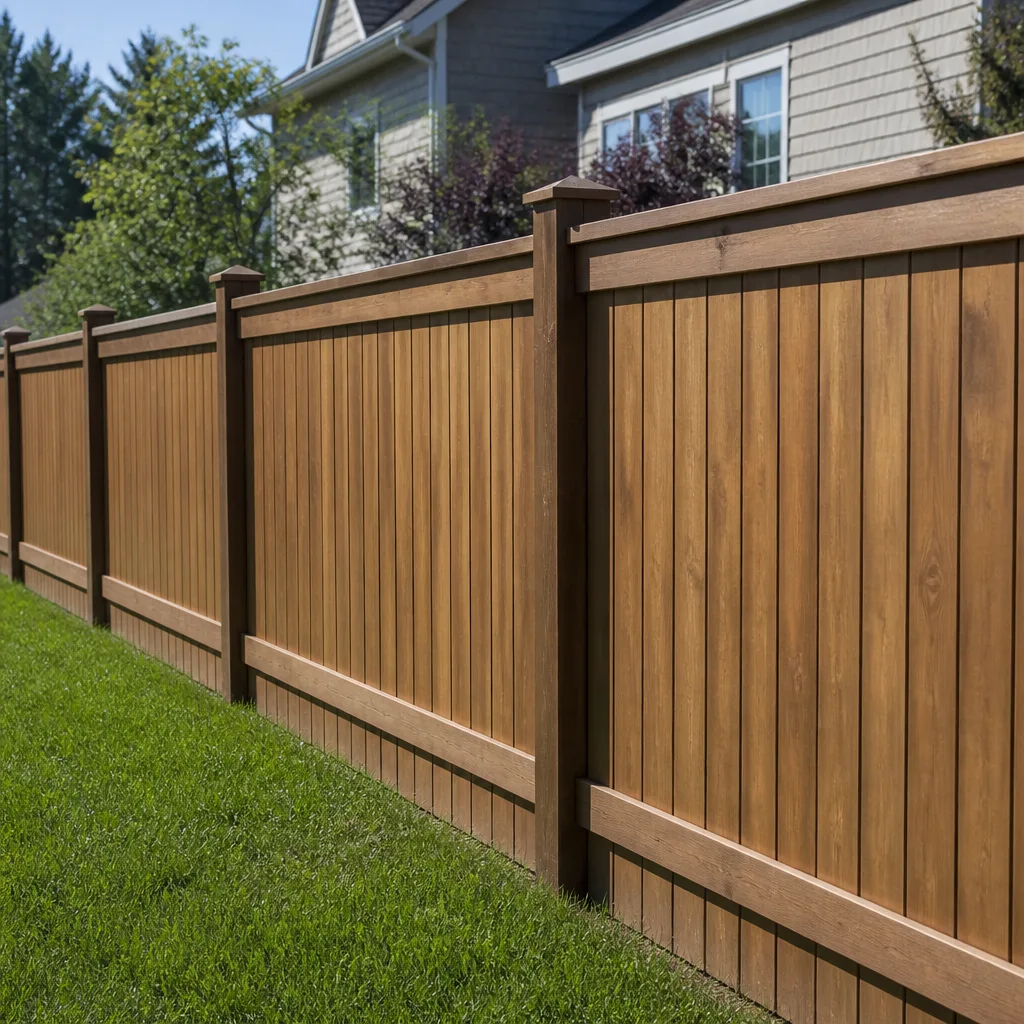
Aluminum fencing with powder-coated finish outlasts wood in salt air by a factor of three. ActiveYards aluminum systems carry a lifetime limited warranty against corrosion, which matters when your fence line sits 200 yards from the Intracoastal. For privacy fencing, vinyl with titanium dioxide UV inhibitors resists the brittleness that standard PVC develops in south Florida sun. Wood fencing, even pressure-treated southern yellow pine, shows significant checking and fastener corrosion within 5-7 years in Pompano Beach’s exposure zone.
Flood Zone Requirements: AE, VE, and Elevation Certificates
FEMA’s flood zone designations in Pompano Beach are not abstract risk categories; they trigger specific construction requirements that affect foundation type, finished floor elevation, and insurance rates.
AE Zones: Areas with a 1% annual chance of flooding and determined base flood elevations. In Pompano Beach, AE zones cover most of the city west of the Intracoastal Waterway. New construction and substantial improvements must have the lowest floor elevated to or above the BFE shown on the FIRM. The city requires an Elevation Certificate at final inspection to verify compliance.
VE Zones: Coastal high hazard areas with velocity wave action. These run along the beachfront and some Intracoastal shorelines. Construction requirements are stricter: breakaway walls below the BFE, pile or column foundations (no fill), and the lowest horizontal structural member must be at BFE plus freeboard. In Pompano Beach, the freeboard requirement is typically 1 foot above BFE for residential construction.
X Zones: Areas outside the 500-year flood plain. Standard construction applies, though we still recommend elevation documentation for insurance purposes, as FIRM revisions can reclassify zones.
The Elevation Certificate (FEMA Form 086-0-033) must be completed by a licensed land surveyor, engineer, or architect. In Pompano Beach, we work with surveyors who know the city’s benchmark system and can tie to NAVD 88 datum without the conversion errors that delay permit approval. The certificate becomes part of the permanent permit file and is used for flood insurance rating through the NFIP or private carriers.
We’ve reviewed projects where homeowners purchased lots in VE zones without understanding that the breakaway wall requirement prohibits finished living space at ground level. A beachfront home with a garage and guest suite at grade in a VE zone is not code-compliant, and the redesign to elevate everything above the parking level adds $40,000-$80,000 to construction costs. We identify the zone and its implications in our first site visit, before any design work begins.
Common Mistakes to Avoid
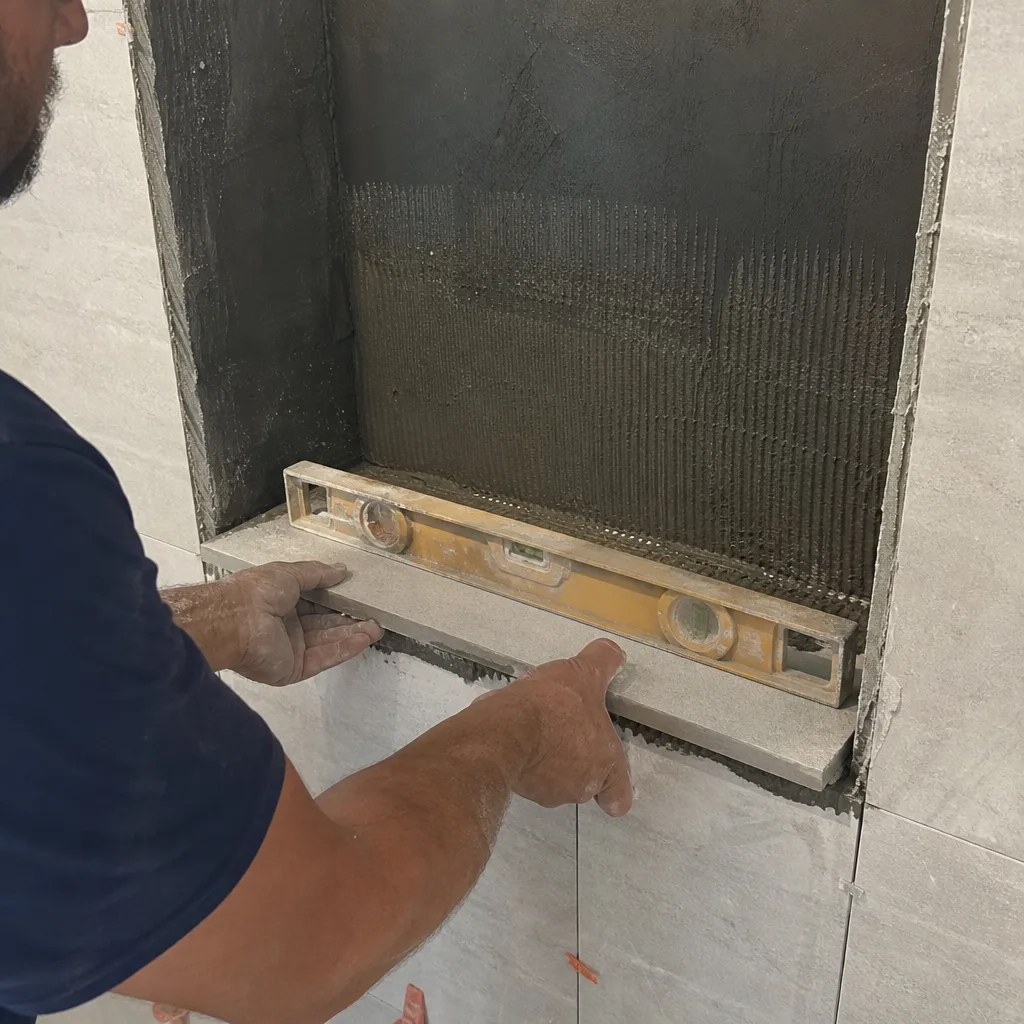
- Assuming one permit covers all trades. Pompano Beach requires separate permits for electrical, plumbing, and HVAC even when they’re part of a single kitchen remodel. Submitting only a general permit triggers stop-work orders when the electrical inspector finds unpermitted wiring.
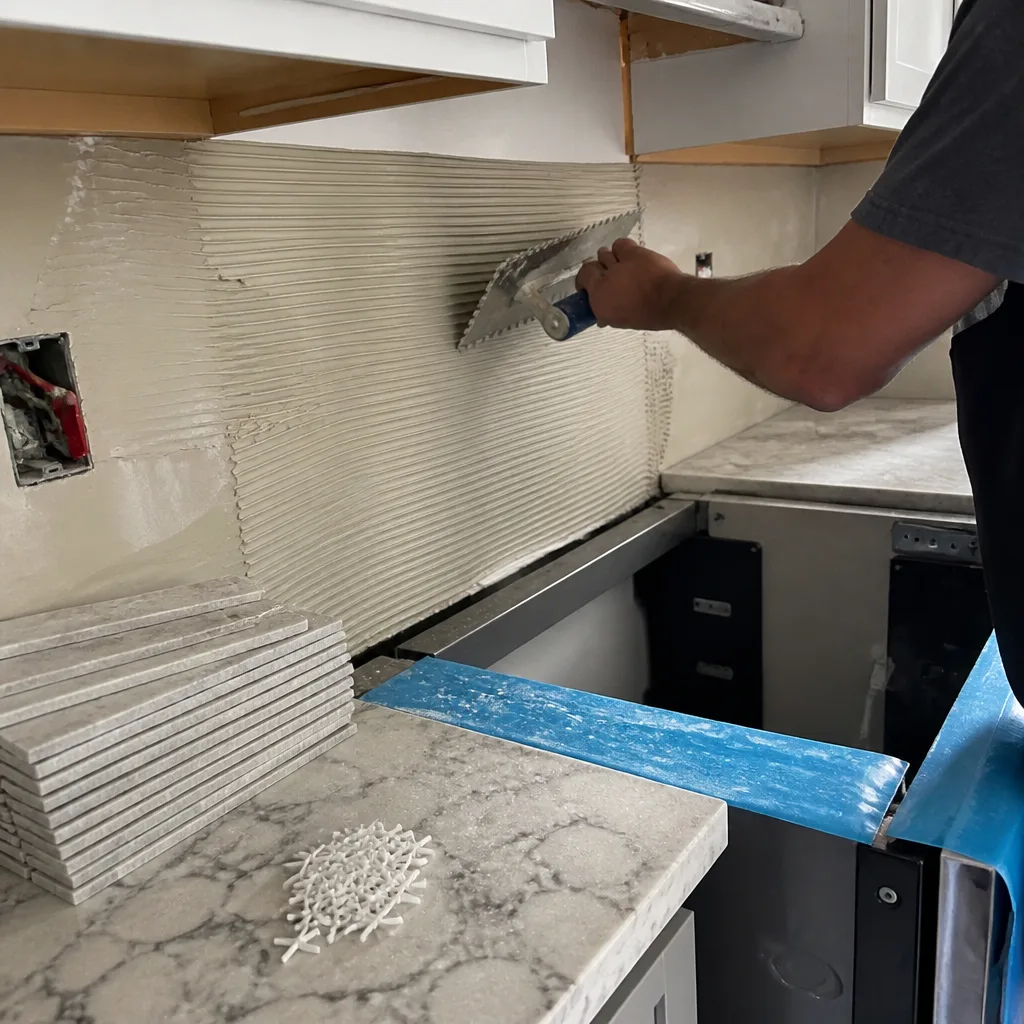
- Buying materials before plan approval. That tile or window you found on sale may not carry the FL Product Approval required for HVHZ installation. We specify all materials in the written scope before purchase, with approval numbers verified.
- Ignoring the substantial improvement threshold. If your renovation costs exceed 50% of your home’s pre-improvement market value, the entire structure must be brought to current flood and wind codes, not just the renovated portion. We’ve seen $80,000 kitchen additions trigger $200,000 in code-upgrade requirements.
- Skipping the pre-application conference. The Pompano Beach Building Division offers this free service, and it identifies wetland buffers, setback conflicts, and utility easements that aren’t visible on standard lot surveys.
- Hiring unlicensed contractors for “handyman” savings. Florida’s exemption for handyman work caps at $2,500 and excludes structural, electrical, plumbing, and HVAC work. An unlicensed contractor who pulls no permit leaves you with no inspection record, no Certificate of Occupancy, and potential homeowner’s insurance denial after a loss.
- Neglecting to document existing conditions. Before any renovation, photograph every wall, ceiling, and foundation area that will be concealed. In Pompano Beach’s humid climate, pre-existing moisture damage is common in 1960s-1980s construction, and documentation protects both parties if concealed conditions are discovered.
- Forgetting insurance notification. Your homeowner’s policy may require notification before construction starts, and some carriers impose vacancy clauses if the home is unoccupied during work. Verify coverage before the first permit is pulled.
When to Call a Professional
Call a licensed general contractor when your project involves structural modification, multiple trades, or any work in Pompano Beach’s flood zones. The three-layer jurisdiction stack, HVHZ material requirements, and flood-elevation documentation are not DIY navigation problems; they’re specialized knowledge that affects project cost, timeline, and legal compliance.
Specifically, seek professional evaluation before purchasing materials for any exterior renovation, before assuming your project qualifies as “repair” versus “substantial improvement,” and before finalizing architectural plans if your lot sits east of Dixie Highway or within 500 feet of any waterway. The pre-application conference with the Pompano Beach Building Division is free, but walking in with a contractor who has submitted plans in this jurisdiction before changes the quality of information you receive.
Rowan Construction Group Pompano Beach offers free estimates in Pompano Beach. We’ll review your project scope, identify the permits and trade licenses required, and deliver a written price before any work starts. Call (754) 714-6540 to schedule. We also offer a Free Second Opinion on any written estimate from another contractor; bring their line-item quote and we’ll review it against the permit requirements and material specifications that apply to your specific property.
Frequently Asked Questions
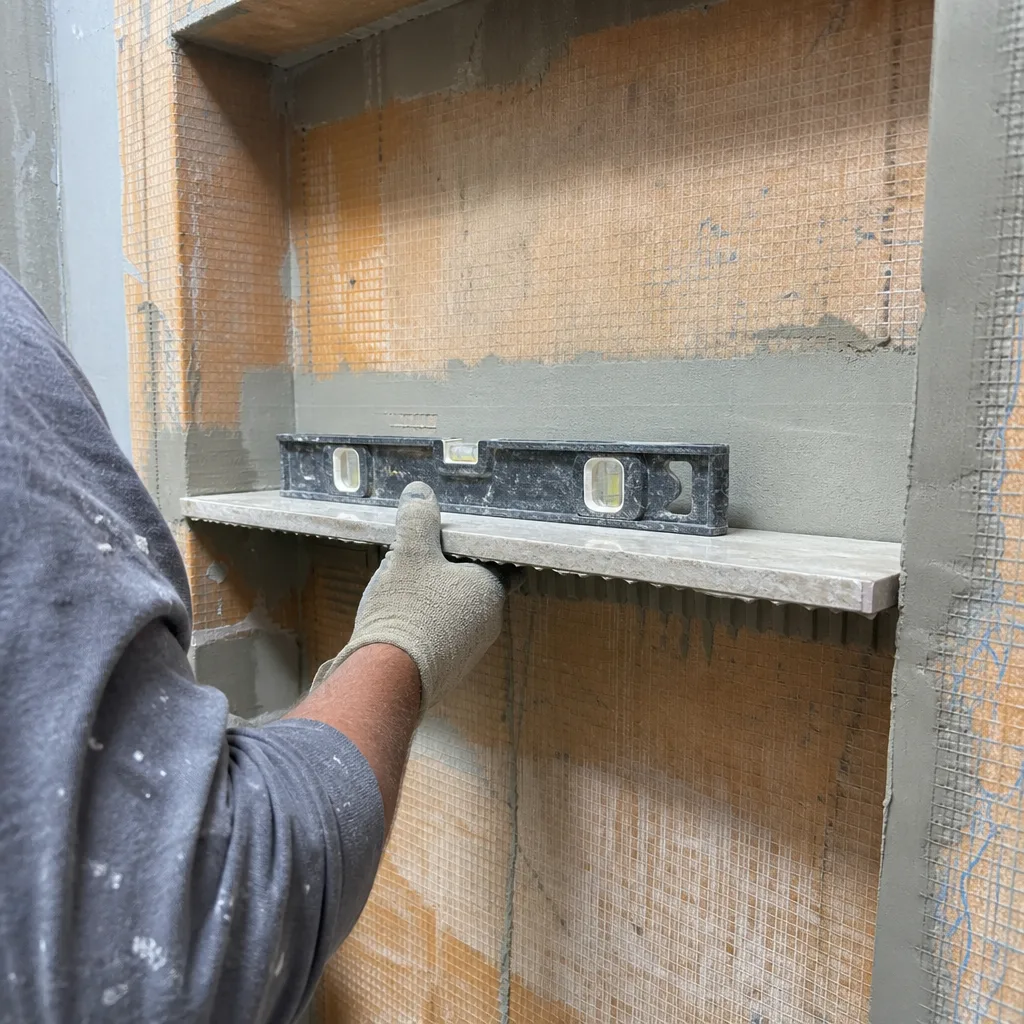
A home addition in Pompano Beach typically runs $180-$280 per square foot for conditioned space, with costs at the higher end for beachfront properties in VE flood zones requiring pile foundations and breakaway walls. This range includes HVHZ-rated windows, standard finishes, and permit fees, but excludes site-specific conditions like fill requirements or utility relocation. Call (754) 714-6540 for a written quote tied to your surveyed lot and flood zone - estimates are free.
Yes. Any roofing work affecting more than 25% of the roof area requires a permit from the Pompano Beach Building Division, and all materials must carry Florida Product Approval or Miami-Dade NOA numbers for HVHZ compliance. Re-roofing over one existing layer is permitted; a second overlay or any modification to the deck attachment requires complete tear-off to the decking. The permit process includes a mid-roof inspection and final inspection; the contractor must present the material approval documentation at each.
At Rowan Construction Group, no work proceeds on a change until the change order is signed. This is the administrative discipline that has kept our projects within a few percent of the agreed price across 4,000-plus jobs since 2007. The written quote you receive before work starts includes a detailed scope, specified materials with model numbers, and a fixed price. Concealed conditions discovered after work begins - rot in wall cavities, for example - are documented with photos, explained in writing, and priced in a signed change order before remediation proceeds.
A kitchen remodel permit in Pompano Beach typically takes 4-6 weeks from submission to issuance, assuming clean plans and no corrections. The timeline extends if the project triggers substantial improvement review, if the home is in a flood zone requiring elevation documentation, or if electrical service upgrades require Florida Power & Light coordination. We recommend the pre-application conference to identify these triggers before submission. Kitchen Remodeling in Pompano Beach through Rowan includes permit expediting as part of project management.
Rowan Construction Group pulls all permits as the licensed general contractor of record. This is standard practice; the permit holder is legally responsible for code compliance and inspection scheduling. Homeowners who pull their own permits assume liability for any code violations and become the point of contact for inspectors. We include permit fees in our written quote, with the city fee schedule attached for verification.
An ADU (Accessory Dwelling Unit) is a separate, self-contained living space with its own kitchen, bathroom, and sleeping area, either attached to or detached from the primary residence. A home addition expands the primary residence without creating a separate dwelling unit. In Pompano Beach, ADUs face additional zoning restrictions: minimum lot size, setback requirements, and owner-occupancy requirements that don’t apply to standard additions. ADUs also require separate utility metering or sub-metering arrangements and trigger different property tax assessments. We evaluate both options during the initial consultation and specify which your lot and zoning allow.
Check the permanent label on the window frame or sash for a Florida Product Approval number (format: FL ####-W#) or a Miami-Dade County Notice of Acceptance number. The label also shows the design pressure rating (DP) and large-missile or small-missile impact classification. For Pompano Beach, you need large-missile impact resistance (marked “LM”) and DP-50 minimum for most locations, DP-60 or higher east of A1A. If the label is missing or illegible, the window likely predates HVHZ requirements and should be replaced. We document every window’s approval number in our written quotes and photo records.
The Bottom Line
Construction in Pompano Beach demands more preparation than inland Florida markets because three jurisdictions overlap here, each with distinct requirements. The HVHZ designation eliminates common products and adds material cost. Flood zones add elevation documentation and foundation complexity. And the permit timeline, while predictable, rewards homeowners who submit complete packages with pre-verified materials and pre-ordered elevation certificates.
The contractors who finish within budget and on schedule are the ones who treat documentation as a discipline, not an afterthought. Written prices before work starts. Signed change orders before any deviation. Photo records at every inspection. These are not premium services; they’re the baseline for navigating a system that doesn’t forgive shortcuts.
Call (754) 714-6540 to schedule your free estimate. We’ll review your project against Pompano Beach’s specific requirements and deliver a written price you can screenshot and compare. Bring a competitor’s quote and we’ll review it line by line at no charge - under Clause 1 of the Haven Standard, the number in writing is where every project starts.
Written by Grant Rowan, Owner at Rowan Construction Group Pompano Beach, serving Pompano Beach since 2007.